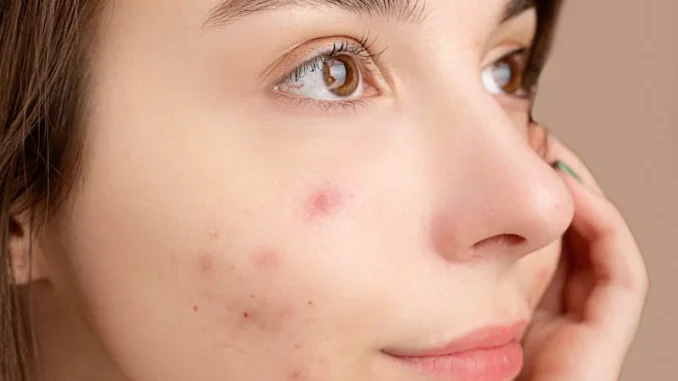
The popularity of acne patches has surged since they offer a discrete and practical solution to eliminate imperfections – but are acne patches good for your skin? Let’s take a closer look at these little stickers’ advantages and disadvantages before you start buying them in bulk. Even now, I still have minor acne scars from my horrible acne in my teens. However, things have evolved, and a tonne of products that weren’t around 20 years ago are now available!
Are acne patches good for your skin?
Patch Powerhouse:
The key ingredient in many acne patches is hydrocolloid. This material acts like a tiny sponge, absorbing pus and fluid from the pimple. It creates a moist environment that promotes healing, reduces inflammation, and helps flatten the pimple. Some patches are infused with additional acne-fighting ingredients:
- Salicylic Acid: A common beta-hydroxy acid (BHA) that helps exfoliate dead skin cells and unclog pores.
- Tea Tree Oil: Known for its antibacterial and anti-inflammatory properties, it can help soothe and reduce redness.
Patch Perks: Beyond the Pimple
- Faster Healing: Studies show patches can noticeably reduce pimple size and redness in a shorter time compared to no treatment.
- Picking Prevention: A major benefit! Patches act as a physical barrier, deterring the urge to pick or pop, which can worsen inflammation and lead to scarring.
- Discreet Disguise: Thin and translucent, most patches blend seamlessly with your skin tone, making them virtually invisible throughout the day or night.
Patching Up the Shortcomings:
- Acne Ally, Not Acne Annihilator: Patches are most effective for whiteheads and pus-filled pimples. They have minimal impact on blackheads and deeper, cystic acne located beneath the skin’s surface.
- Reactive, Not Preventative: Patches address existing breakouts, not future ones. They won’t prevent new pimples from forming.
- Sensitivity Issues: The adhesive on some patches can irritate those with sensitive skin. It’s always best to do a patch test on a less noticeable area before applying to your face.
The Dermatologist’s Take:
While acne patches can be a helpful addition to your routine, they’re not a magic bullet. For persistent acne, especially cystic acne, consulting a dermatologist is crucial. They can provide a personalized treatment plan that might include:
- Topical medications: Creams, gels, or lotions containing ingredients like retinoids, benzoyl peroxide, or antibiotics.
- Oral medications: Antibiotics or hormonal medications can be prescribed for severe acne.
- Professional treatments: Procedures like extractions, chemical peels, or light therapy can be used in conjunction with other treatments.
The Final Verdict:
Acne patches can be a valuable tool in your skincare arsenal, particularly for occasional breakouts. However, they’re best used as part of a comprehensive skincare routine. If you have persistent acne, especially cystic acne, a dermatologist can create a personalized plan to get you on the path to clearer skin. Personally, I know I would have loved these as a teen and even as an adult too. I think they are handy to keep whether it’s at home or on the go. And with all the summer festivals ahead too – these are ideal to take to these fun events too.
Bonus Tips:
- Patch Prep: Always apply patches to clean, dry skin after washing your face with a gentle cleanser.
- Patch Patience: Leave patches on for several hours, ideally overnight, for optimal results. Replace as needed throughout the day.
- Patch Partner: Combine patches with a consistent skincare routine that includes cleansing, moisturizing, and using sunscreen daily.
By understanding the strengths and limitations of acne patches, you can incorporate them effectively in your fight for clearer, healthier skin. As I’ve said, it’s something I would have loved and will be buying for my own pre-teen.
Have you tried acne patches? What did you think?