Existing as part of the console wars since the arrival of the original Xbox in 2001, Microsoft is no stranger to gaming competition. With exclusive series like Halo and Forza, their systems managed to survive trial and tribulation to the modern day where only three console competitors remain. Unlike Sony and Nintendo, however, Microsoft appears to be giving up on platform exclusivity. As the CEO of its gaming division Phil Spencer notes, the Xbox will increasingly open its titles to other platforms.
This leads to questions raised about why they’ve taken this approach, with the company’s last few years being filled with mixed messages. Just as importantly, what are the implications for the players, and how does this approach relate to the trajectory of other big media providers?
Microsoft’s Wants and Needs
Exclusive games have long been considered the best way to sell consoles. Most users can’t afford or won’t buy every platform, so each system needs a way to stand out. This was the way it worked for decades, but the approach has run into some problems. As developers and publishers drive game development costs ever higher, recuperating those costs means selling more units. If a game is locked to one system, meeting sales targets can become untenable.

To attempt to solve this problem, Microsoft invested in some of gaming’s biggest publishers and developers. Paying $8.1 billion and $75.4 billion for Zenimax Media and Activision Blizzard respectively, Microsoft now has control of famous series like Call of Duty, World of Warcraft, and Diablo. It’s also sold considerably fewer consoles than its main competitor Sony, and it’s far behind Nintendo. Rather than die out, the company decided to deliver the games it could make exclusive onto other platforms. Whether this is a permanent move or a way to bide time remains to be seen.
Conflict in Media Approaches
The issue of exclusivity versus potential audience is an issue that all media outlets face, with some platforms approaching the challenge better than others. On the positive side, we see iGaming, and the approaches they use in appealing to online bingo players. Rather than being locked to one system, the tables on these services like The Vault and Hype – Drop Pots are compatible with a huge range of HTML5-capable systems. This means players using tablets, smartphones, PCs, and laptops can all experience the same quality and selection of titles, to which the audience has responded positively.
On the opposite side of the spectrum, we have streaming services, which are notorious for their increasingly fragmented content selection. What used to be available on just Netflix can now require three or four different streaming subscriptions to find, each of which is slowly increasing subscription costs. Some services can even limit streaming quality by device, further frustrating users.
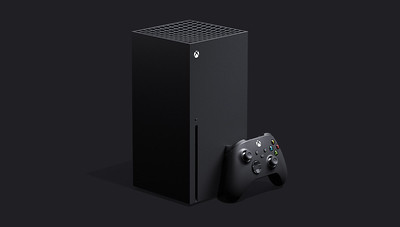
Though the hardware and software spaces in content delivery offer some undeniable differences, there’s also no getting past that more open and content-filled systems are more positive for users. While we can’t say that Microsoft’s direction is being taken for its players, the result is still an appreciated one. Whether it can save the Xbox console, or whether it indicates a permanent change in tack is still unknown. Still, if it can prevent another service from becoming the new Netflix, that’s a direction we’ll all appreciate.