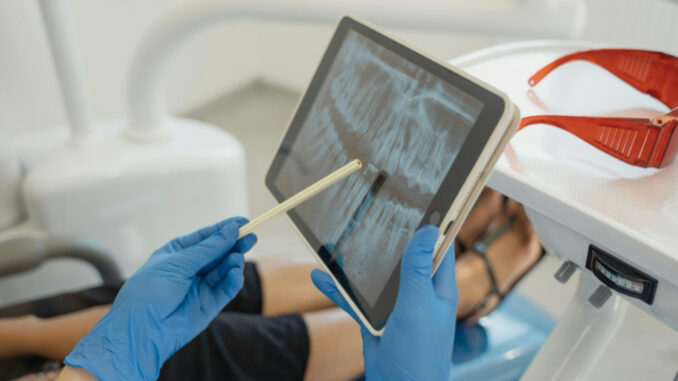
When tooth pain disrupts your daily life, it’s often signaling something more serious than a minor sensitivity. You might be experiencing symptoms that indicate the need for root canal treatment at Belle Meade Endodontics. From persistent discomfort to visible changes in your tooth’s appearance, these warning signs shouldn’t be ignored. Recognizing these symptoms early can make the difference between saving your natural tooth and facing extraction—but how can you distinguish between ordinary dental discomfort and a true endodontic emergency?
Persistent Tooth Pain and Sensitivity
When experiencing persistent tooth pain that intensifies with pressure or lingers after exposure to hot or cold stimuli, you’re likely exhibiting classic symptoms of pulpal inflammation or infection. This chronic pain often indicates damage to the dental pulp, requiring immediate professional evaluation.
You might notice the discomfort worsens at night or when lying down, as blood pressure increases in your head. An unusual taste may accompany these symptoms, suggesting drainage from an infected pulp chamber. Don’t dismiss these warning signs—they typically don’t resolve without intervention and often indicate the need for root canal therapy.
Gum Swelling and Tenderness
Gum inflammation surrounding a troubled tooth represents another significant indicator that root canal therapy may be necessary. When bacteria from an infected pulp spread to surrounding tissues, your gums become swollen, tender, and sometimes develop a raised bump resembling a pimple.
You’ll often notice pronounced gum redness and sensitivity when touching the affected area. This localized inflammation typically doesn’t resolve without addressing the underlying infection. If you experience persistent gum tenderness accompanied by a metallic taste or drainage, it’s crucial to seek immediate evaluation at Belle Meade Endodontics. These symptoms indicate advanced infection that requires professional intervention to prevent further complications.
Tooth Discoloration or Darkening
A tooth that gradually darkens or develops a grayish-black appearance often signals pulp damage requiring root canal intervention. This discoloration occurs when the pulp tissue inside your tooth becomes damaged or necrotic, releasing compounds that stain dentin from within.
Internal tooth bleeding following trauma may trigger this process as blood components break down and infiltrate the surrounding tooth structure. Over time, this leads to structural tooth weakening as the compromised pulp fails to provide necessary nutrients to your tooth.
Don’t dismiss this symptom as merely cosmetic—it’s often a critical indicator of internal tooth damage requiring immediate endodontic evaluation.
Prolonged Sensitivity to Temperature Changes
While tooth discoloration provides visual evidence of pulp damage, temperature sensitivity offers a functional warning sign that shouldn’t be ignored. If you experience lingering pain after consuming hot or cold beverages, your tooth’s pulp may be compromised.
Healthy teeth respond briefly to gradual temperature changes, then quickly return to normal. However, when pulp inflammation or infection develops, you’ll notice sudden thermal sensitivity that persists even after the stimulus is removed. This hypersensitivity indicates potential nerve damage requiring endodontic intervention.
At Belle Meade Endodontics, we distinguish between ordinary sensitivity and the prolonged discomfort that signals the need for root canal treatment – often saving teeth that might otherwise require extraction.
Visible Tooth Damage or Decay
Physical damage to your tooth’s structure often reveals deeper problems requiring endodontic intervention. When you notice a cracked tooth, even microscopic fractures can create pathways for bacteria to infiltrate the pulp chamber, leading to infection.
Significant decay that has penetrated the enamel and dentin layers compromises pulp health. You’ll frequently observe discoloration—ranging from yellow to gray or black—indicating internal tissue deterioration.
Receding gums expose vulnerable root surfaces, which lack protective enamel. This exposure increases sensitivity and susceptibility to infection. If you’ve experienced trauma resulting in tooth chips or fractures, prompt evaluation can prevent pulpal necrosis necessitating root canal therapy.
Pimple-Like Bumps on Your Gums
When small, pimple-like bumps appear on your gums, they often indicate dental abscesses—localized collections of pus resulting from bacterial infections within the pulp chamber. These lesions, known as fistulas, create drainage pathways for infection to escape the bone.
You’ll notice persistent gum inflammation surrounding these bumps, frequently accompanied by a bitter taste or unpleasant odor.
Don’t ignore these symptoms, as they signal advanced infection requiring endodontic intervention. Gum irritation near these fistulas may come and go as pressure builds and releases, offering temporary relief that masks the underlying problem.
Root canal therapy effectively addresses the infection source rather than just its symptoms.