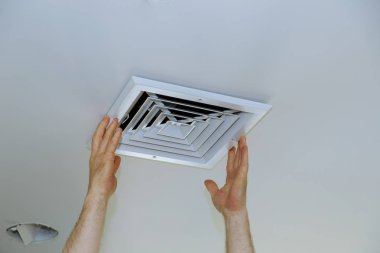
Homeowners are being reminded how important it is to properly ventilate their bathrooms during the spring and summer months.
The bathroom experts at Vidalux.co.uk are encouraging Brits to improve their ventilation to help prevent mould and mildew growth and maintain good air quality.
Humidity in the bathroom can often be worse during the summer due to the higher outdoor humidity levels and people taking more frequent showers.
Poor ventilation can lead to mould and mildew growth and poor air quality which can worsen over time.
The experts recommend making use of extractor fans and leaving windows and doors open and are urging people to avoid drying wet towels in the bathroom as they could be contributing to the moisture in the air.
Andy Ellis from Vidalux.co.uk said: “Keeping the bathroom well ventilated is important at any time of year but it can become trickier in the summer with higher humidity levels and people taking more showers due to hot weather.
“One mistake a lot of people make is letting their wet towels dry in the bathroom. Doing this can add to the moisture and humidity in the air making it harder to air out the space. Instead, dry your towels outside or in another room that is well ventilated.
“It’s worth giving your extractor fan a clean at this time of year to ensure it’s working its best. Those who do have an extractor fan should also leave windows and doors open after their showers to help improve the air circulation and draw moisture from the air.
“If you live in a flat or an apartment that doesn’t have an extractor fan, it’s worth seeing if one can be fitted. If not, a dehumidifier is another option. This will remove moisture and replace it with clean air. While this is a good alternative, it’s better suited to those who live on their own or have a smaller bathroom.”
Seven ways to improve ventilation in the bathroom this summer:
Clean the extractor fan
Dust and grime can build up in your extractor fan over time making it less efficient at removing moisture from the air. To clean the fan, gently take it apart, clean the cover with soapy water, dust the blades and wipe everything down before reassembling.
Open the window
Even if you have an extractor fan, opening the window during and after a shower can help improve ventilation and bring in fresh air and reduce humidity.
Keep the door open
After having a shower, keeping the door open as well as the fan on and window open can contribute to improving the air circulation.
Avoid drying wet towels in the bathroom
Leaving wet towels to dry in the bathroom after a shower can contribute to excess moisture and humidity in the air. Consider drying your towels outside if the weather is nice or hang them in a well-ventilated room such as a laundry area or utility.
Use a dehumidifier
For smaller bathrooms without a window, a dehumidifier can be a good solution. This will remove any humid air and replace it with dry air. This method will be better suited for people who have small bathrooms, live alone or live in apartments that don’t have extractor fans. Those with larger bathrooms or families may find it’s not as effective and has high running costs.
Wipe down surfaces
After showers droplets of water settle on tiles, shower screens and other surfaces, wiping them down can help prevent excess moisture from building. The more moisture you can remove, the less humidity will remain in the air.
Take cooler showers
If possible, you may want to consider taking a cooler shower over a hot one. This will produce less steam and reduce the level of moisture build up.