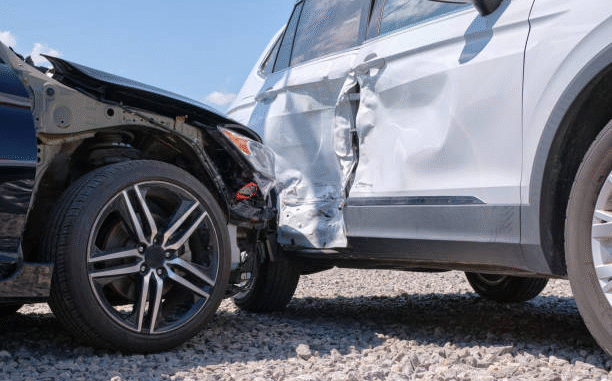
Every time a driver turns the key and hits the road, they place trust in every component of their vehicle. Each part must perform flawlessly, but when even one of those parts fails, disaster strikes without warning.
Defective components not only compromise safety but alsotrigger real-life tragedies, leaving drivers, passengers, and pedestrians vulnerable. Auto manufacturers and suppliers are responsible for ensuring quality, yet recalls and failures still plague the industry. And now victims seek legal assistance for car accidents caused not by human error but by faulty machinery hidden under the hood.
In this article, we’ll explore how malfunctioning parts contribute to crashes and what actions victims can take to protect their rights.
Brake Failures and Collision Risk
Faulty brakes aren’t just mechanical issues; they’re serious safety threats. When drivers press the pedal, they expect the vehicle to respond instantly. But when brake pads wear down too quickly, hydraulic fluid leaks, or anti-lock systems fail without warning, that expectation turns dangerous.
Just one moment of brake failure can lead to rear-end collisionsor even deadly multi-vehicle crashes. When these defects result from poor design or manufacturing, the responsibility falls on the companies that put unsafe vehicles on the road.
Tire Blowouts and Loss of Vehicle Stability
Tire failures happen more often than most drivers realize, and they can be deadly. Issues such as tread separation, sidewall defects, or hidden weak spots can cause sudden blowouts, especially at high highway speeds.
When a tire bursts, the vehicle’s steering and stability are instantly affected, often leading to dangerous swerves, spinouts, or collisions. In many cases, these failures are linked to poor tire design or low-quality materials, putting not just the driver but everyone on the road at serious risk.
Steering and Suspension Failures
Steering systems hold a vital role in vehicle safety. A loose tie rod, a faulty power steering unit, or a broken ball joint transforms a drivable car into a hazard. When steering fails, the driver loses control completely, and no correction is possible. Suspension defects also play a part. A compromised suspension increases the chance of rollover crashes or poor handling during sharp turns.
Airbag and Seatbelt Malfunctions
Airbags and seatbelts exist to reduce injury; however, defective airbags fail to deploy or explode with excessive force, causing burns, fractures, or worse. Faulty seatbelts lock improperly or unlatch during crashes. These failures magnify injury severity and reduce survival chances. These parts must operate perfectly every time; one error leaves passengers defenseless.
Electrical System and Engine Defects
Modern cars rely heavily on electronic systems. Faulty sensors, bad wiring, or a failing electronic control unit send false signals that disrupt throttle control, lighting, or braking. In some cases, engines stall in motion, cutting power in fast-moving traffic. Defects in these areas confuse drivers and increase the chance of collisions during sudden failures.
Manufacturing and Design Mistakes
Some parts fail because they were never safe to begin with. Design flaws, such as gas tanks placed too close to impact zones or engines prone to overheating, create risks before a car evenleaves the factory. Manufacturing errors, such as poor welding or contamination during assembly, reduce part lifespan and reliability.
Defective parts influence car accidents in direct and devastating ways. Drivers suffer the consequences of errors they never saw coming. The road demand’s reliability; when parts fail, the consequences can be deadly. Trust breaks down the moment a machine fails to deliver on its promise.