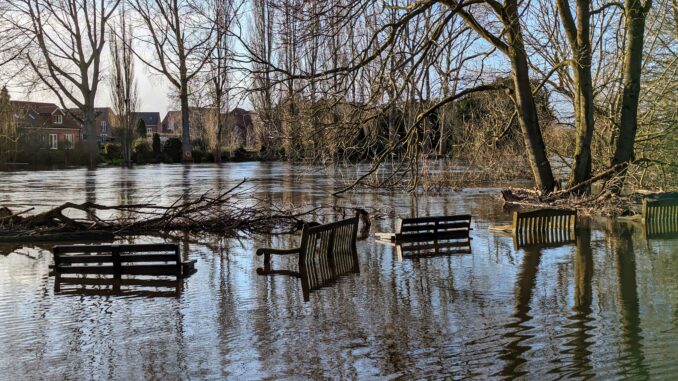
Flooding is one of the most disruptive types of severe weather. It can happen quickly, cause long-lasting damage, and take weeks — even months — to recover from. Whether you live in a high-risk flood zone or just want to be prepared, a few simple steps can make a huge difference
1. Understand Your Flood Risk
Not all flooding looks the same. You might be at risk from:
- Heavy rainfall overwhelming drains
- Rivers bursting their banks
- Coastal flooding and storm surges
- Surface water flooding in urban areas
2. Prepare Your Home Before Flooding Happens
Things to do before water becomes an issue:
- Keep drains, gutters and air bricks clear
- Raise electrical sockets and appliances where possible
- Seal doors and low vents with temporary flood barriers
- Move valuables and important documents upstairs
- Store sandbags or reusable flood barriers if you’re in a risk area
3. Build a Flood Emergency Kit
Flooding often means power cuts, inaccessible roads, and damp conditions, so the kit is slightly different from a storm kit.
Include:
- Waterproof torch or headlamp
- Power banks and spare batteries
- Bottled water and non-perishable food
- Waterproof clothing, boots, gloves
- First aid kit
- Important documents in waterproof wallets
- Cleaning supplies for after (gloves, disinfectant, masks)
4. What to Do When Flooding Starts
Clear, calm advice is key here.
- Stay indoors unless told to evacuate
- Avoid walking or driving through floodwater
- Turn off electricity and gas at the mains if safe
- Move essentials upstairs
- Keep listening to weather and emergency updates
5. If You Need to Evacuate
Not everyone thinks about this until it’s too late.
Encourage:
- A grab-bag ready with essentials
- Knowing evacuation routes
- Arranging pet transport in advance
- Letting someone know where you’re going
6. After the Flood: Staying Safe During Clean-Up
Flood recovery is exhausting.
- Don’t switch power back on until checked
- Wear gloves, boots, and masks
- Ventilate rooms as much as possible
- Document damage for insurance
- Watch for mould in the weeks after
Also I recommend:
- Dehumidifiers
- Mould remover
- Protective cleaning gear
7. Long-Term Flood Preparation
Think about:
- Keep emergency kits stocked year-round
- Store valuables higher as standard
- Consider flood-resistant home upgrades
- Review insurance coverage annually
Photo by Mike Norris: https://www.pexels.com/photo/flooded-benches-along-the-river-ure-in-england-34167759/
Leave a Reply