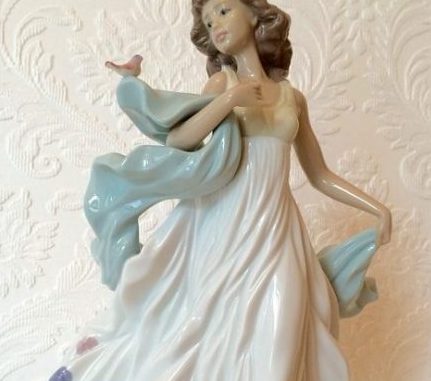
Iconic Spanish name Lladro is the byword for beautiful porcelain figurines that encapsulate every style from contemporary to romantic and to cultures from across the world. But what to know more about Lladro figurines?
The brand was started in 1953 by three brothers, Juan, José and Vicente Lladro who, in their home village of Almassera in Spain wanted to bring their own unique sense of artistic style combined with meticulous attention to detail into the production of porcelain figurines. The brothers were utterly passionate about creating beauty from porcelain and it shows in the great care they take in producing their masterpieces. To this day Lladro Figurines are much sought after by a diverse range of buyers who are looking for a piece of artwork that will stand the test of time.
Everything You Need to Know About Lladro Figurines
The 1960s
Throughout the 1960s the brothers worked to expand their range of porcelain figurines and other homewares whilst still retaining a distinctive look along with exquisite fine detail in all their pieces. Lladro pioneered a single-firing method of glazing which allowed them to establish the main hallmark of the Lladro brand which is the unique pastel colours that mark out a Lladro Figurine. The brothers were able to set up a Professional Training School within their headquarters at Valencia and by the late 1960s the Lladro brand established itself in the US market.
The 70s and 80s
The 1970s and 80s saw the brand go from strength to strength both in the scope of their work and development and in the expansion across the globe as more and more people were able to appreciate the beauty of Lladro Figurines and the skill involved in making them. Indeed the Lladro Collectors Society of enthusiasts was founded in 1985 and this soon grew to encompass more than 100,000 collectors. During the 70s many of the pieces produced by Lladro were limited editions, reflecting the excellent quality of the work. In 1986 Lladro subsidiaries expanded in to Japan and China, followed soon after by expansion into the wider Asian markets. This can be seen in Lladros’ depiction of figurines that reflect other cultures, like the lovely Imperial Dragon Fan, Hina Dolls Festival or the Indian Dance figurines, to name just a small sample.
90s Lladro
During the 1990s the pieces produced by Lladro became ever more intricate and complex to reflect the greatest expression of attention to detail, one of the hallmarks that distinguish Lladro Figurines from all others. Many of the pieces from this time incorporated delicate flower depictions of great beauty and the ‘My Beautiful Garden’ collection showcases a range of sweet figurines from small flower children to elegantly dressed figures carrying posies. As a mark of the growing prestige of the Lladro brand the Hermitage Museum of St Petersburg hosted an exhibition of Lladro sculptures in 1991 and later that same decade they were awarded two prestigious prizes for their work.
And now?
From this point in time onwards Lladro grew in reputation and production, receiving further awards and opening new boutique stores in major cities around the world. Their style and repertoire diversified too with the High Porcelain Collection of sculptures in dazzling white, along with collaborations with other designers in order to bring a more creative edge to new collections. Lladro began to incorporate into their portfolio more figurines depicting world religions, beliefs and spirituality.
Since its inception in that small workshop in Spain Lladro have continually reinvented their brand while at the same time staying true to their art. This is reflected in the wide range of figurines and sculptures available to buy as well as home accessories and jewellery. But it is in the wide range of collections of figurines depicting everything from animals to hobbies that Lladros’ true artistic skill excels.