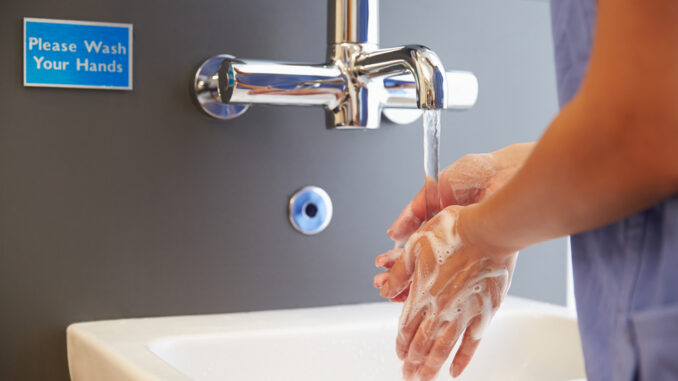
From doctors’ surgeries and nursing homes, to respite and community centres – healthcare settings come in all shapes and sizes. But one thing always remains the same? The need for exceptional hand hygiene.
Widely considered one of the most effective defences in the fight against infection, it’s shocking to learn that an NHS report on hand hygiene found compliance rates to be just 40-50%.
Yet while understaffing and reduced budgets undeniably take their toll on standards and performance, hand hygiene is one corner no healthcare provider can afford to cut.
It may sound simple but get handwashing right – with staff and patient buy-in – and not only could you boost safety standards and dramatically reduce the spread of infection, but you could save time and money too.
Want to learn more about how easy it can be to get the basics right? Then keep reading as we take a quick look at small changes that can make a big difference.
How to boost hand washing standards
The good news is, making positive improvements to hand hygiene and handwashing levels can be relatively quick and easy.
Below are 4 quick-fire ways to make a positive change:
- Educate and train
Engagement is key to buy-in. If you want people to wash their hands, tell them why it’s so important – and make sure everyone understands the impact poor hand hygiene can have.
Full comprehension of how this simple step can make such a big difference will improve everyone’s investment.
More than this though, you need to ensure staff have access to appropriate training and are clear on exactly how and when to wash hands. This can be done by implementing targeted training and providing access to workshops, videos, and step-by-step posters.
- Provide visual prompts
Visual prompts and reminders will help to increase compliance with handwashing. This is especially true for visitors and patients in your healthcare setting, who are unlikely to have received training.
‘How to’ posters, and ‘Have you washed your hands?’ reminders may sound basic, but they can dramatically increase compliance rates.
- Nurture a culture of responsibility
Getting people onboard is perhaps the biggest hurdle for a successful handwashing policy.
The best way to do this is to educate, but also to instil a sense of responsibility.
Staff, patients, visitors – everyone has a duty of care to those around them and for the best results, it’s important to cultivate this sense of obligation.
- Provide the right facilities
It’s no good preaching about hand washing if the means to do so aren’t adequately provided.
Readily available access to clean, easy-to-use handwash basins, a plentiful supply of antibacterial soap, hot water, and paper towels or hand dryers are all needed.
Where sink access isn’t feasible, ensure an alcohol-based hand sanitiser is provided as an alternative.
Ready to raise the bar?
If you’re short on space and worried a sink won’t work, that fitting additional hand basins will only serve to increase maintenance time and cleaning, or that the sink itself could act as a breeding ground for bacteria – take a look at the revolutionary Cliniwash from ONVO.
As leaders in clinical hand wash basins for healthcare, their seamless handwashing units are designed to actively prevent the spread of germs and bacteria by eliminating the areas where dirt can build up.
More than this though, thanks to their intelligent design, the Cliniwash is fast and efficient to clean. And as a sink created as a result of extensive research, it is a game changer for any healthcare setting.
Ready to reap the benefits of improved hand hygiene? Then visit ONVO or contact the team to find out more about handwashing in healthcare.