With Paris 2024 just around the corner, we have a look at 50+ facts about The Olympic Games. From ancient Greece to the modern world, the Olympic Games have captured the hearts and minds of billions. A quadrennial celebration of human athleticism, the Olympics are steeped in history, tradition, and extraordinary feats. But beyond the medals and the glory, there’s a world of fascinating facts waiting to be discovered. Join us as we delve into the captivating story of the Olympic Games, uncovering surprising tales, legendary athletes, and mind-boggling statistics.
50+ facts about The Olympics
Ancient Origins:
- The Olympics trace back to ancient Greece, held as a religious festival for Zeus (king of the gods) around 776 BC.
- These ancient games lasted for over a millennium, every four years, featuring sports like wrestling and discus.
- Only freeborn Greek men were allowed to compete in the ancient Olympics.
Modern Revival:
- Inspired by the ancient games, French aristocrat Pierre de Coubertin revived the Olympics in 1896, with the first modern Games held in Athens, Greece.
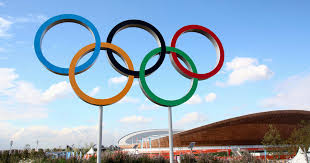
- The five interlocking rings of the Olympic flag represent the five continents coming together in unity.
- “Citius, Altius, Fortius” (Faster, Higher, Stronger) is the Olympic motto, emphasizing athletic excellence.
- The Olympic Creed highlights participation as equally important to winning: “The most important thing in the Olympic Games is not to win but to take part…”
Traditions and Spectacle:
- The Olympic torch relay symbolizes the ancient tradition of fire, with the flame lit in Olympia and carried to the host city.
- Host cities are chosen through a bidding process by the International Olympic Committee (IOC).
- The Olympics are divided into Summer and Winter Games, with different sports featured in each.
- The Paralympic Games, showcasing athletes with disabilities, have been held alongside the Olympics since 1960.
Facts about The Olympics – Competition and Feats:
- The youngest Olympic gold medalist is Marjorie Gestring (diving, 1936) at 13 years old.
- Abebe Bikila won the 1960 marathon barefoot, becoming the first African to win an Olympic marathon.
- Gymnastics legend Larisa Latynina holds the record for most Olympic medals (18).
- The most summer Olympic sports ever contested was 301, at the 1900 Paris Games (many were unofficial).
- The United States holds the record for most overall Olympic medals (over 11,000).
Interesting Facts:
- In the early Olympics, victory wreaths were the only prizes awarded.
- Doves were released at the opening ceremony from 1924 to 1988 to symbolize peace.
- Tug-of-war was an Olympic sport from 1900 to 1920.
- The first winter Olympics were held in 1924 in Chamonix, France.
Evolution and Challenges:
- Gender equality is a growing focus, with nearly equal numbers of male and female athletes competing recently.
- The IOC works to address issues like doping and corruption to maintain the integrity of the Games.
- The 2020 Tokyo Olympics were postponed to 2021 due to the COVID-19 pandemic, the first such delay in modern Olympic history.
Facts about The Olympics – Beyond Competition:
- The Olympic Games are a platform for cultural exchange and showcasing host nations.
- The Games can inspire social change, with athletes using their platform to raise awareness for important causes.
- Truces have historically been declared during the Olympics to promote peace during wartime.
A Global Spectacle:
- Billions of people around the world tune in to watch the Olympics, making it a major sporting event.
- The opening and closing ceremonies are known for elaborate performances and cultural displays.
- The Olympic mascot is a unique character chosen for each Games, often representing local wildlife or mythology.
- The Olympic Games continue to evolve, embracing new sports and technologies while staying true to their core ideals.
Team GB – 30 Facts about The Olympics
Pioneering Participation:
- Britain (represented by Great Britain or Team GB) is the only nation to have competed at every Summer Olympics since the 1896 Games.
- However, athletes from Ireland also competed under the British flag until 1924.
Medal Haul:
- Team GB boasts a remarkable 916 medals at the Summer Olympics, ranking them fourth overall.
- They’ve secured an impressive 275 gold medals at the Summer Games.
- Britain has found more success in the Summer Olympics compared to Winter, with only 34 medals (including 12 gold) at the Winter Games.
Dominant Sports:
- Cycling is a powerhouse sport for Britain, with over 80 medals across various disciplines.
- Rowing is another strong suit, with Team GB securing over 50 medals, including numerous golds.
- Athletics (track and field) has also seen British success, with legends like Sebastian Coe and Mo Farah.
Facts about The Olympics – Memorable Moments:
- The 1908 London Games were a high point, with Britain topping the medal table.
- The 1948 London Games, held after the devastation of World War II, were a symbol of hope and resilience.
- London 2012 was a spectacular success, with a record medal haul for Britain and a focus on promoting diversity in sports.
Legendary Athletes:
- Cyclist Bradley Wiggins holds the record for most British Olympic gold medals (5).
- Rowing duo Steve Redgrave and Matthew Pinsent achieved an incredible feat, winning gold medals in their event at five consecutive Olympics.
- Tennis player Andy Murray became the first person from Britain to win back-to-back Olympic singles gold medals (2012 & 2016).
- Equestrian rider Charlotte Dujardin is a dominant force, winning both individual and team gold medals in dressage.
Interesting Tidbits: Facts about The Olympics
- Queen Elizabeth II officially opened the 2012 London Games, a rare honor for a reigning monarch.
- The iconic five Olympic rings were incorporated into the design of the Wembley Stadium torch at the 2012 Games.
- Britain has hosted the Olympics a total of three times: 1908, 1948, and 2012.
Winter Games:
- Although less prominent, Britain has seen success in Winter Olympics with sports like curling and skeleton.
- Jenny Jones’ gold medal in snowboard slopestyle at the 2014 Sochi Games was a breakthrough moment for British Winter Olympic success.
Beyond Medals:
- Britain has a rich history of sportsmanship and fair play at the Olympics.
- The nation actively promotes participation in sports at all levels, inspired by the Olympic spirit.
- The Olympics provide a platform for British athletes to showcase their talent on a global stage.
Challenges and Looking Ahead:
- Maintaining success in established sports while developing talent in newer ones is a constant challenge.
- Balancing tradition with innovation is crucial for Britain to stay competitive in future Games.
- Britain aims to continue inspiring future generations through the values and legacy of the Olympics.
Broader Impact:
- The Olympics contribute to Britain’s cultural identity and international image.
- Hosting the Olympics can boost tourism and infrastructure development (e.g., London 2012).
- Team GB’s performances can unite the nation in a spirit of pride and national celebration.
- Britain’s Olympic journey continues, striving for excellence while embracing the evolving landscape of the Games.
Thanks for reading 50+ facts about The Olympics.