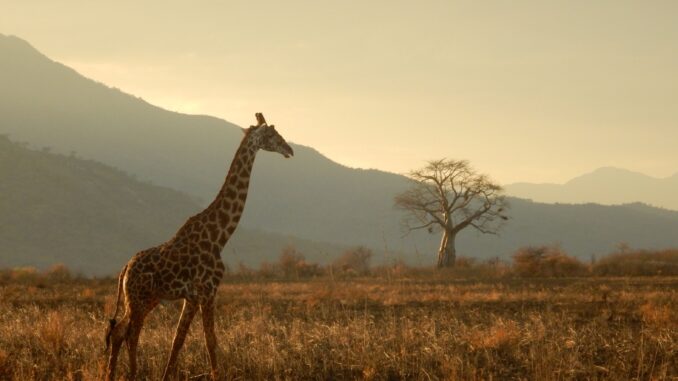
Africa, with its diverse ecosystems and unparalleled wildlife, is a continent that offers not only breathtaking safari experiences but also remarkable opportunities for conservation-minded travelers. From vast savannas to dense forests, conservation efforts across Africa are helping to preserve the continent’s rich biodiversity. Here are some of the best safari destinations in Africa where you can witness and participate in groundbreaking conservation work.
1. Kenya: Leading the Charge in Wildlife Protection
Kenya is at the forefront of wildlife conservation in Africa. The country is home to several renowned conservation areas and initiatives:
- Masai Mara National Reserve: Famous for the Great Migration, the Masai Mara also supports numerous conservation projects aimed at protecting big cats and other wildlife. The Mara Predator Conservation Programme focuses on research and conservation of lions, cheetahs, and leopards.
- Ol Pejeta Conservancy: Located in central Kenya, Ol Pejeta is the largest black rhino sanctuary in East Africa. The conservancy also houses the last two northern white rhinos in the world and engages in innovative conservation techniques, including wildlife corridors and community outreach programs.
- David Sheldrick Wildlife Trust: In Nairobi, this renowned elephant orphanage rescues and rehabilitates orphaned elephants, offering visitors the chance to adopt an elephant and contribute directly to its care.
2. South Africa: A Hub of Biodiversity and Conservation Innovation
South Africa boasts a variety of ecosystems and is a leader in conservation efforts:
- Kruger National Park: As one of Africa’s largest game reserves, Kruger is a key player in conservation. The park implements anti-poaching initiatives, habitat restoration projects, and biodiversity monitoring programs.
- Addo Elephant National Park: This park was established to protect the last remaining elephants in the Eastern Cape and has since expanded to include a variety of habitats and species. Addo is a testament to successful conservation and rewilding efforts.
- Phinda Private Game Reserve: Known for its luxury eco-tourism, Phinda is actively involved in rhino conservation, including relocation and breeding programs aimed at boosting population numbers in other reserves.
3. Tanzania: Preserving Iconic Landscapes and Wildlife
Tanzania is home to some of Africa’s most iconic conservation areas:
- Serengeti National Park: Beyond its fame for the Great Migration, the Serengeti is a critical site for various conservation projects. Efforts include predator conservation, anti-poaching units, and community-based wildlife management programs.
- Ngorongoro Conservation Area: This UNESCO World Heritage Site integrates wildlife conservation with sustainable human development. The area supports endangered species such as black rhinos and is a model for community involvement in conservation.
- Ruaha National Park: Ruaha is known for its high biodiversity and is a focus of numerous conservation efforts. The park supports initiatives to mitigate human-wildlife conflict and protect large carnivores, particularly lions and African wild dogs.
4. Botswana: Championing Low-Impact Tourism and Conservation
Botswana is celebrated for its commitment to low-impact tourism and effective conservation practices while also being a destination for luxury travel.
- Okavango Delta: This UNESCO World Heritage Site is a prime example of wetland conservation. The Delta supports a vast array of wildlife and is managed to balance tourism with ecosystem preservation. It’s the ideal place to go on a Botswana luxury safari for those that want to explore the country’s true beauty.
- Chobe National Park: Renowned for its elephant population, Chobe is involved in several conservation projects, including research on elephant movements and efforts to reduce human-elephant conflict.
- Moremi Game Reserve: Located within the Okavango Delta, Moremi is a protected area where conservation efforts focus on habitat preservation and species protection, particularly for vulnerable species like the African wild dog.
5. Namibia: A Pioneer in Community-Based Conservation
Namibia is a global leader in community-based conservation. There are many places to visit on an epic luxury safari in Namibia:
- Etosha National Park: This park is a cornerstone of Namibia’s conservation strategy, with efforts to protect and study its diverse wildlife, including rhinos, lions, and elephants.
- NamibRand Nature Reserve: One of Africa’s largest private nature reserves, NamibRand emphasizes sustainable tourism and conservation. The reserve is involved in various research projects and community outreach programs.
- Skeleton Coast National Park: This remote park focuses on the conservation of unique desert ecosystems and marine life. Efforts include monitoring seal populations and protecting desert-adapted species.
6. Rwanda: A Success Story in Gorilla Conservation
Rwanda has made significant strides in the conservation of mountain gorillas:
- Volcanoes National Park: Home to critically endangered mountain gorillas, the park’s conservation efforts are world-renowned. The Rwanda Development Board and various NGOs work together to protect gorillas through anti-poaching patrols, habitat restoration, and community engagement.
- Nyungwe Forest National Park: This park is one of the oldest rainforests in Africa and a biodiversity hotspot. Conservation initiatives focus on primate research, forest conservation, and eco-tourism development.
7. Zimbabwe: Combining Conservation with Community Empowerment
Zimbabwe’s conservation efforts are notable for their integration with community development:
- Hwange National Park: Zimbabwe’s largest national park is a vital area for elephant conservation. Efforts include anti-poaching operations, water provision for wildlife, and community outreach programs.
- Gonarezhou National Park: Part of the Great Limpopo Transfrontier Park, Gonarezhou emphasizes cross-border conservation collaboration and community-based natural resource management.
- Victoria Falls Wildlife Trust: Located near the famous falls, this organization focuses on wildlife rescue, research, and rehabilitation. Their work includes addressing human-wildlife conflict and promoting environmental education.
Africa’s commitment to conservation is evident across its diverse landscapes, from the savannas of Kenya to the rainforests of Rwanda. These destinations offer eco-conscious travelers the opportunity to experience incredible wildlife and contribute to vital conservation efforts. Whether you’re tracking rhinos in South Africa, observing elephants in Botswana, or visiting gorilla habitats in Rwanda, each trip helps support the preservation of Africa’s unique natural heritage.