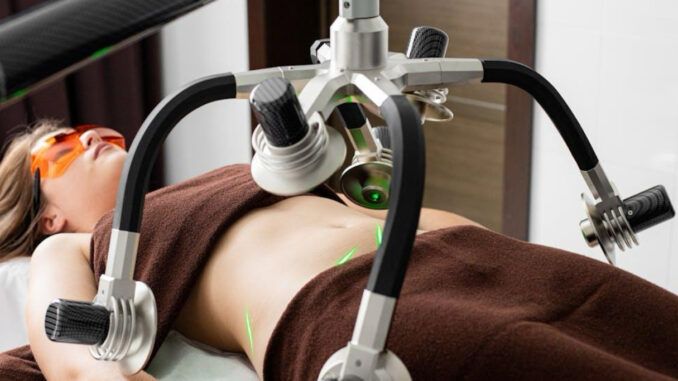
Technology has transformed skincare by focusing on specific demands and skin health. Scientific research is developing complex compositions that improve skin appearance while gently treating it at the cellular level. AI and sophisticated skin analysis technology have resulted in personalised skincare routines, a significant departure from standard treatments. This shift redefines beauty standards and promotes diversity by allowing people to celebrate varied skin tones and individual characteristics. As the sector expands, sustainability and accessibility will boost skincare efficacy and conscience value.
The evolution of skincare technology
Skincare technology has altered beauty, which now includes an anti-wrinkle treatment and innovative formulations. They also cure hyperpigmentation, acne, and cellular ageing. These technologies target deeper skin layers by utilising cutting-edge chemicals such as peptides and stem cells and novel delivery mechanisms based on dermatological research. AI-powered skin analysis has also transformed skincare. These devices identify skin problems in real-time and provide climate and contaminant-specific treatments. Personalising skincare products promotes a healthier, more inclusive beauty standard, encouraging people to accept their skin conditions and characteristics. The organisation encourages wellness and beauty variety by providing tailored solutions.
Impact on beauty standards
Incorporating cutting-edge skincare technologies has fundamentally changed society’s definition of beauty, subverting accepted standards and advancing a more inclusive narrative. Tools that enable real-time skin examinations and customised treatments enable people to embrace their particular characteristics instead of fitting a single criterion. This change promotes self-acceptance and authenticity when people realise that their complexion’s health and vitality characterise attractiveness more than perfect skin. As a result, companies are celebrating diversity in their marketing more and more, presenting a greater spectrum of skin tones and types, therefore supporting the idea that beauty can be diverse and individualised.
Accessibility and inclusivity
Recent developments in skincare technology have made beauty more reachable to a larger audience, therefore removing obstacles that formerly kept many people from accessing good skincare treatments. Nowadays, online sites and mobile apps let customers identify appropriate items without costly consultations by providing tailored suggestions depending on skin type and concerns. Moreover, manufacturers are paying more and more attention to inclusivity by creating formulations that fit different skin tones and conditions so that everyone may discover good solutions catered to their needs. Using information sharing and experience, this democratisation of skincare not only empowers customers but also promotes a feeling of community since it underlines that beauty is for everyone.
Future innovations in skincare technology
With fascinating advances on hand, emerging skincare technology promises to transform the sector even further. Biotechnology and gene editing can increase product efficacy and treat previously unsolvable skin diseases by tackling them at the cellular level. Augmented reality (AR) in skincare allows consumers to visually test goods and see the outcomes before purchasing. As the importance of sustainability grows, eco-friendly formulae and packaging become more popular, guaranteeing that future improvements prioritise both beauty and environmental responsibility. The convergence of ethics and technology will revolutionise skincare by increasing efficacy, customisation, and conscience.
Skincare technology has altered how beauty is perceived and experienced, promoting diversity and meeting individual needs. As advancements show, individualised solutions and inclusion allow clients to recognise their distinguishing characteristics and promote a broader perception of beauty that goes beyond conventional norms. Modern technologies such as biotechnology and augmented reality promise to increase the efficacy and accessibility of skincare products, while sustainability assures that future improvements address ethical concerns. This skincare technology revolution represents a social movement towards authenticity, self-acceptance, and a holistic beauty approach that appeals to a broad worldwide audience.