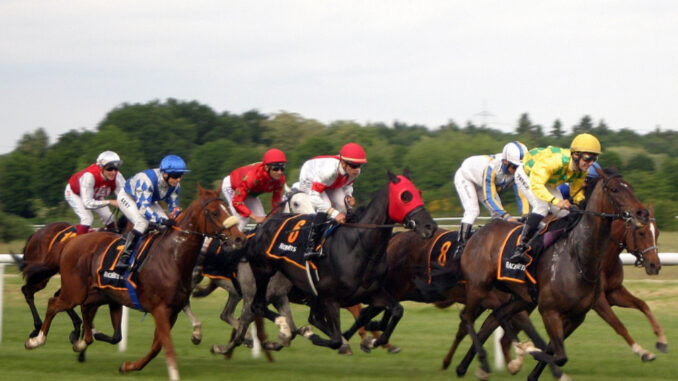
Racehorse ownership has long been a pursuit enjoyed by the wealthy elite, but in recent years, fractional ownership has opened the door for a much broader audience. Now, investors of all sizes can become part-owners of racehorses without the burden of full ownership costs. This method, known as fractional or shared ownership, allows individuals to buy a share of a racehorse and enjoy many of the benefits of ownership without the heavy financial commitment.
1. How Does Fractional Ownership Work?
In fractional ownership, a racehorse is typically owned by a syndicate of investors, with each member owning a percentage of the horse. The syndicate is usually managed by a professional manager or racing team, who handles the day-to-day logistics of the horse’s training, racing, and care. Once you become part of a syndicate, you can expect regular updates on the horse’s progress.
These updates may include training reports, race schedules, and performance reviews. If the horse wins a race, shareholders receive a share of the prize money based on their ownership percentage. Any investment made towards the horse, by all parties, directly leads to its performance on the track. Such actions can contribute to a horse’s overall performance and results and are closely monitored by fans and betting sites. Any reputable tip can decide the final bet, just like many factors can make a horse win or lose and useful tips are aggregated at Racing Tipster, for fans to make an informed decision. Just like future fractal owners go through plenty of data before the final call, betting fans can also do so before they make their choice. And, If the horse is sold or earns breeding opportunities, shareholders also benefit financially from those transactions.
2. What is Fractional Horse Ownership?
Fractional ownership of a racehorse means that instead of purchasing an entire horse, an individual or group can buy a share, typically ranging from a small percentage to larger stakes in the horse’s future earnings. In this arrangement, investors become “syndicate members,” each holding a stake in the horse’s racing career. The costs associated with training, care, veterinary services, and racing fees are split among the shareholders.
This model reduces the financial risks that come with full ownership, as the costs are shared, making it more accessible to those who may not have the means to afford an entire racehorse. Such a business model is on the rise and coupled with the increase in equestrian sports inspired by the Olympics, the future for fractal horse ownership looks bright. In return, the shareholders enjoy a portion of the horse’s earnings from wins, place finishes, and breeding rights, depending on the agreement.
3. Advantages of Fractional Horse Ownership
One of the key advantages of fractional horse ownership is the ability to participate in a thrilling and potentially profitable venture without bearing the full costs of ownership. Here are some of the main benefits:
- Reduced Risk: Since the costs are shared among multiple investors, the financial burden is much lower than it would be for full ownership. Even if the horse does not perform well, the risk is spread out among the group.
- Access to Racing: As a shareholder, you get to experience the excitement of horse racing without the need to manage the horse yourself. This includes attending race events, seeing your horse compete, and, if you’re lucky, collecting winnings.
4. What Should You Consider Before Buying a Share in a Racehorse?
Before diving into fractional horse ownership, it’s essential to consider several factors that can impact your experience:
- Costs and Fees: While fractional ownership lowers the initial cost of purchasing a horse, there are still ongoing expenses. Make sure you understand the fee structure, including management fees, training costs, and any additional expenses that might arise.
- Transparency: Ensure that the horse syndicate or racing team managing the horse provides clear and transparent communication. Look for groups that offer regular updates, financial reports, and accessible customer service.
- Market Knowledge and Lineage: Although fractional ownership provides a more affordable entry into the world of horse racing, it’s still important to understand the risks. Racing is unpredictable, and horses can experience setbacks or fail to live up to expectations. The science behind horse breeding and their lineage are important for fractal ownership and beyond, as it can provide crucial data about previous performances, and the credentials of the racing team.

5. Getting Involved in Fractional Ownership
If you’re ready to get started, here are the basic steps involved in purchasing a share of a racehorse:
- Research Syndicates: Look for reputable fractional ownership companies or best horse racing syndicates that offer shares in racehorses. These organizations typically have websites where you can find detailed information about available horses, the costs of shares, and the management team behind each horse.
- Review the Agreement: Before purchasing a share, carefully review the syndicate’s agreement. Understand the financial commitments, rights to earnings, and any responsibilities you may have as a shareholder.
- Invest and Join the Syndicate: Once you’ve selected a horse and reviewed the terms, you can purchase a share. This will usually involve a one-time purchase price, along with an agreement for ongoing fees.
Conclusion
Fractional horse ownership opens up an exciting opportunity for those interested in the world of racehorses but hesitant about the high costs associated with full ownership. By purchasing a share, you can enjoy the thrill of racing and the possibility of financial returns, all while sharing the risks and rewards with fellow investors. As with any investment, it’s crucial to approach fractional ownership with careful consideration and a clear understanding of the costs and risks involved.