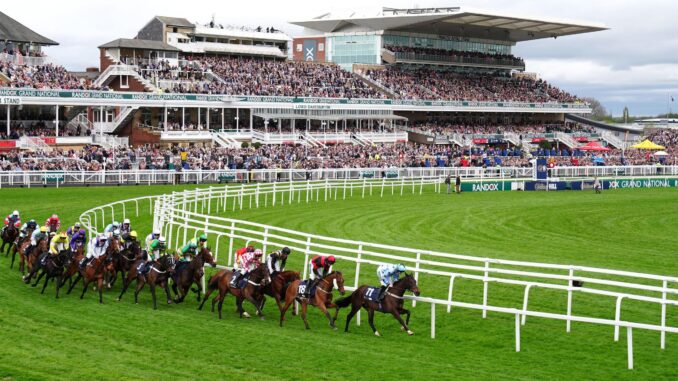
The world’s most famous steeplechase returns this spring — bigger, bolder, and more debated than ever. The Grand National isn’t just a horse race; it’s a British tradition watched by millions, blending history, spectacle, celebration, and controversy in equal measure.
In 2026, the Grand National Festival runs from Thursday 9 April to Saturday 11 April 2026, with the main race taking place on Saturday 11 April at around 4:00 PM (UK time) at Aintree Racecourse in Liverpool.
Whether you tune in for the drama, the fashion, the betting, or the history, here are 60 facts — including both the pros and the criticisms — about one of the most iconic sporting events in the world.
1. It takes place annually at Aintree Racecourse near Liverpool.
2. First officially run in 1839.
3. It’s one of the most famous horse races in the world.
4. The race distance is about 4 miles 2½ furlongs (≈6.9 km).
5. Horses jump 30 fences across two laps.
6. It’s the longest race in British horse racing.
7. Millions watch it on TV every year.
8. It’s considered a major social and sporting event in the UK.
9. Many casual viewers who don’t follow racing watch this race.
10. It generates significant tourism revenue for Liverpool. (Pro)
11. Prize money exceeds £1 million.
12. Winning owners, trainers, and jockeys gain huge prestige.
13. It can transform the careers of jockeys overnight.
14. The race has a maximum field of 40 runners.
15. Large fields make it unpredictable and exciting. (Pro)
16. But large fields also increase congestion and fall risk. (Con)
17. Famous fences include Becher’s Brook and The Chair.
18. These fences are larger than those in standard races.
19. The difficulty adds drama and spectacle. (Pro)
20. But also raises safety concerns. (Con)
21. Safety improvements have been made over the years.
22. Fence heights have been reduced since the 1980s.
23. Landing sides of fences have been softened.
24. Veterinary teams are on standby during the race.
25. Despite this, fatalities have occurred historically. (Con)
26. Animal welfare groups continue to campaign against it. (Con)
27. Supporters argue standards are higher than ever. (Pro)
28. Horses must be at least 7 years old to compete.
29. The race tests stamina more than pure speed.
30. Many horses never complete the course.
31. Only a small percentage finish each year.
32. Completing the race is considered an achievement.
33. Some winners were huge outsiders at long odds.
34. This unpredictability boosts betting interest.
35. Gambling activity spikes around the race.
36. Critics worry this promotes problem gambling. (Con)
37. Betting revenue supports the racing industry. (Pro)
38. Office sweepstakes are a long-standing tradition.
39. It’s often described as “the people’s race.”
40. Families commonly watch it together.
41. Legendary horses become national icons after winning.
42. Multiple wins are rare due to the race’s difficulty.
43. Weight handicapping aims to level the playing field.
44. Top horses carry more weight.
45. This increases fairness between competitors. (Pro)
46. But also adds physical strain on horses. (Con)
47. Weather conditions can dramatically affect the race.
48. Soft ground makes the race even more gruelling.
49. The event includes a multi-day racing festival.
50. Ladies Day is known for fashion and socialising.
51. The race has a global audience of hundreds of millions.
52. It’s broadcast in many countries worldwide.
53. Security and crowd management are major operations.
54. Attendance can exceed 70,000 people.
55. The event boosts local hospitality businesses. (Pro)
56. Some locals complain about congestion and disruption. (Con)
57. The race has inspired films, books, and documentaries.
58. Charities often benefit from associated fundraising. (Pro)
59. Modern safety reviews occur after each running.
60. Debate continues between tradition and animal welfare concerns.
Love it or question it, the Grand National remains a race that sparks conversation long after the final horse crosses the finish line. For some, it’s a thrilling showcase of courage, endurance, and tradition. For others, it raises important debates about animal welfare, safety, and the future of horse racing.
One thing is certain: every April, the nation pauses for a few minutes as history unfolds at Aintree.
Which fact surprised you most — or where do you stand on the race?