For most outdoor enthusiasts, the search for the ideal shelter begins and ends with the 3-season tent. Designed to handle the variable conditions of spring, summer, and autumn, these shelters offer a strategic balance between weight, protection, and comfort. Whether you are planning a solo trek or need a spacious5 person tent for a family getaway, understanding the nuances of modern tent design is the key to a successful trip.
Unlike ultra-lightweight summer models that fail in the wind, or heavy-duty winter bunkers, 3-season gear is engineered for versatility. Many modern explorers now prefer tents insulated with advanced double-layer fabrics, which provide a buffer against condensation and morning chills without the bulk of traditional alpine equipment. This adaptability makes them particularly popular for varied terrain. For instance, specializedtents for hunting often utilize these 3-season principles to ensure the shelter remains breathable during a warm afternoon but stays dry during a sudden October downpour.
Understanding seasonality ratings
Seasonality isn’t just about the temperature; it’s about the structural integrity and materials used in the frame and canopy.
- 1 and 2-Season Tents: these are strictly for fair weather. They are incredibly light but lack the reinforcement to withstand moderate winds or persistent rain. Using one in a storm often results in soaked gear and a collapsed frame.
- 3-Season Tents: the “gold standard” for most campers. They feature sturdy aluminum or carbon-fiber frames and high-quality polyurethane coatings. Their design prioritizes airflow through mesh panels, which prevents the interior from becoming stifling in the heat while keeping insects at bay.
- 4 and 5-Season Shelters: built for the extremes. These are heavy, often utilizing reinforced poles and thick canvases to support snow loads and gale-force winds. While they provide maximum safety in the mountains, they are usually too heavy for standard backpacking and can lack sufficient ventilation for summer use.
Why 3-season shelters are the primary choice
The popularity of these tents stems from their “happy medium” characteristics. Typically weighing between 3 to 6 lbs, they won’t weigh down your pack. Most utilize a clip-on system for the canopy rather than traditional sleeves, making assembly fast even for beginners.
The inclusion of mesh walls and adjustable vents is a critical advantage. In a winter tent, condensation is a major enemy; in a summer tent, bugs are the nuisance. A 3-season model addresses both by allowing constant airflow while keeping the interior a bug-free zone.
Critical factors to consider before buying
When browsing for your next shelter, move beyond just looking at the price tag. Consider these practical elements:
- Frame Design: look for umbrella-type or quick-setup frames if you prioritize convenience. Aviation-grade alloys offer the best strength-to-weight ratio.
- Floor Tray: a “tub-style” floor is vital. It ensures that even if water pools around your tent, the interior remains dry.
- Ventilation Layout: ensure the tent has multiple venting points to manage humidity, especially if you plan on sleeping more than two people in the space.
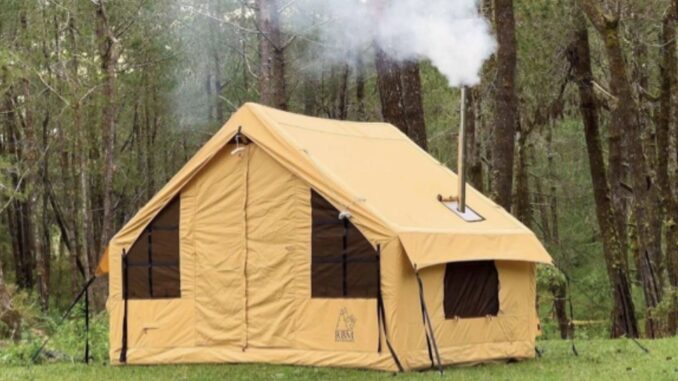
- Special Features: features like stove jacks are becoming more common in high-end all-season hybrids (like the RBM UP-2 mini), allowing for the use of a wood stove during late-fall expeditions.

Leading models for 2026
Several brands continue to lead the market with innovative 3-season solutions. The Coleman Sundome remains a reliable entry-level choice for its simplicity and welded corners. For those seeking more durability, the Marmot Limelight offers excellent vertical walls for more headroom.
If speed is your priority, pop-up options like the Teton Sports Vista Quick or the Quechua Two Seconds Blackout provide near-instant assembly. While these are excellent for established campgrounds, trekkers often lean toward the RBM UP-2 mini, which, while technically an all-season hybrid, offers the portability of a 3-season unit with the ruggedness of a winter shelter.
Final thoughts
Your choice of shelter determines the quality of your rest on the trail. By focusing on a high-quality 3-season tent that matches your specific climate and group size, you ensure that your 2026 adventures remain focused on the scenery rather than the weather. Always prioritize a balance of packability and weather resistance to get the most value out of your gear.