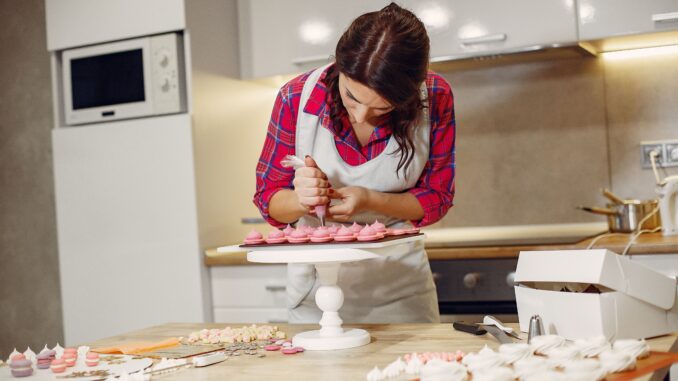
If you’ve been anywhere near Google Trends or a local Facebook group recently, you may have spotted the phrase “cake shed” popping up everywhere. It’s one of those beautifully British side hustle ideas that feels like it couldn’t possibly be real — and yet here we are, with home bakers across the country setting up little unmanned stalls in their front gardens and selling their cakes on an honesty-box basis. Simple, charming, and apparently very popular.
But is it actually a viable way to make extra money? And what do you need to know before you drag an old shed out of the garage and start piping buttercream at 6am? Let’s get into it.
What exactly is a cake shed?
The concept is pretty much what it sounds like. A home baker — often someone already making cakes for friends, family, or local events — sets up a small stall or shed on their property, stocks it with freshly baked goods, and leaves it open for neighbours and passers-by to help themselves, paying into an honesty box. No till. No queues. No awkward small talk if you just want a brownie and to get on with your day.
It sits alongside other front-garden micro-businesses like egg boxes at the end of farm driveways and jam jar stalls at village fetes — the kind of low-key, community-first trading that feels like it belongs to a simpler era. Except it’s having a proper moment right now.
Why are cake sheds suddenly trending?
A few things have collided at once. The cost of living has pushed a lot of people to think creatively about additional income streams. Home baking surged during the pandemic and never really went away. And there’s a growing appetite (no pun intended) for local, homemade food over supermarket alternatives.
The cake shed model is particularly appealing because the start-up costs are low if you already bake, it works around other commitments like caring or childcare, and it lets you test demand without the pressure of a market stall pitch fee or a full pop-up setup.
What do you actually need to get started legally?
This is where it gets a bit more involved — and where a story out of Maidstone has thrown the spotlight on cake sheds this week.
Several home bakers in Kent have found themselves on the receiving end of council correspondence suggesting they may need a street trading licence to continue selling from their properties. The fees involved run into the hundreds of pounds, which for someone making £60–£100 on a weekend, can make the whole thing financially unworkable.
It’s worth noting that rules vary significantly by local authority — some councils are applying street trading legislation, others are taking a much more relaxed approach — so the first thing you should do before setting anything up is contact your own council and ask the question directly. Don’t assume that because your neighbour is running one without issue, you’re automatically fine.
Beyond the licensing question, there are a few things that apply pretty universally if you’re selling food from home:
Food hygiene registration. If you’re selling food regularly, you need to register as a food business with your local authority. This is free and straightforward, but it’s not optional.
Food hygiene certificate. A Level 2 Award in Food Safety is the standard qualification for home bakers selling their goods. Online courses are widely available and cost around £20–£30.
Allergen awareness. You have a legal obligation to provide allergen information for anything you sell. This matters — get familiar with the 14 major allergens and make sure your labelling or signage covers them clearly.
Public liability insurance. Some councils are requiring this as part of any trading licence application, but it’s sensible to have it regardless. Cover for home-based food businesses is available from specialist insurers.
Is it actually worth it financially?
Honestly, it depends on what you’re expecting from it. As a bit of extra income that sits alongside something else — caring responsibilities, a part-time job, another side hustle — it can absolutely work. The margins on homemade bakes are reasonable if you’re sensible about your ingredient costs, and there’s no commute, no boss, and no minimum hours.
Where it starts to look less appealing is if licensing fees eat into a significant chunk of what you’d make, or if you’re hoping to scale it into something more substantial. For that, you’d probably want to look at market stalls, online orders, or working with local cafés rather than relying on footfall past your front gate.
The community side of it
Something worth mentioning — and it came through clearly in the coverage of the Maidstone situation — is that cake sheds aren’t just about money. Bakers who’ve set them up talk about the community element just as much as the income. Neighbours stopping to chat. Regulars who come back every week. A bit of warmth and connection that doesn’t involve a screen. In an era where a lot of side hustles are relentlessly digital, there’s something genuinely appealing about that.
The bottom line
Cake sheds are a lovely idea, and for the right person in the right location with the right setup, they can be a genuinely enjoyable and modestly profitable side venture. But go in with your eyes open. Check with your council before you start. Get your food hygiene paperwork in order. And price your bakes properly — your time and skill are worth more than a couple of quid a slice.
If you’ve already got a cake shed, or you’re thinking of starting one, I’d love to hear how it’s going. And if you’re looking for other flexible ways to earn a bit extra from home, there’s plenty more to explore on the site.
Photo by Gustavo Fring: https://www.pexels.com/photo/woman-in-red-long-sleeve-shirt-and-white-apron-icing-cookies-3983710/