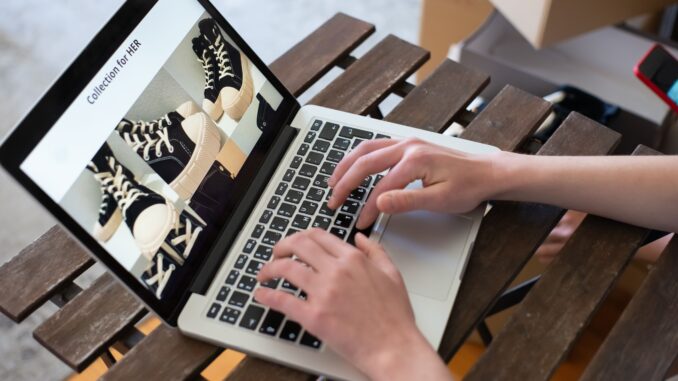
Getting your shop set up, optimized, and filled with listings is a major achievement. But once your doors are officially open, you hit the quietest phase of the journey: waiting for that elusive first sale.
Because a brand-new Etsy shop has zero reviews, no history of completed orders, and a quiet search ranking, waiting passively for buyers to find you can lead to frustration. Breaking through the initial momentum barrier requires active, strategic steps to drive your first external traffic and signal relevance to Etsy’s search engine.
Step 1: Understanding the “Trust Gap”
When a shopper finds a brand-new Etsy shop with zero reviews, they experience a psychological hesitation known as the trust gap. They love your product photo, but they wonder: Is this shop legitimate? Will my item ship on time? What if something goes wrong?
To bridge this gap during your launch phase, focus heavily on micro-signals of professionalism:
- Complete Policies & About Page: Clear return policies and a short paragraph about who you are immediately humanize your store.
- Flawless Visuals: Crisp, bright mockups or photos eliminate any perception of “amateur hour.”
- Immediate Customer Service: If someone messages you with a question, reply within minutes. Speed and politeness build early trust.
Step 2: The External Kickstart Strategy
Do not rely 100% on Etsy organic search during your first two weeks. Etsy’s algorithm needs interaction data (clicks, favorites, and cart adds) to test your listings. Bringing in initial warm traffic helps jumpstart this process.
[ External Platform (Pinterest / Social) ] ➔ [ Initial Shop Visits & Favs ] ➔ [ Etsy Algorithm Boost ] ➔ [ Organic Search Traction ]
- Leverage Pinterest for Visual Products: If you sell digital downloads, print-on-demand, or aesthetic physical goods, create 3 to 5 distinct Pinterest pins per listing linking directly back to your Etsy items. Pinterest acts as a search engine that feeds long-term, high-intent traffic.
- Share the “Behind-the-Scenes”: Use platforms like Instagram, TikTok, or Threads to share the creation process, packaging setup, or design iterations rather than posting generic “Buy my product” links.
- The First-Customer Incentive: Share your new shop launch within personal or professional networks. While friends and family sales don’t build long-term SEO, getting 3 to 5 initial orders helps clear the psychological hurdle of having zero reviews.
Step 3: Strategic Use of Etsy Ads (When to Start)
A common beginner mistake is turning on Etsy Ads the day a shop opens.
- Why it fails early: If your listing has weak SEO, poor thumbnail contrast, or zero reviews, throwing paid ad money at it will quickly drain your budget without converting.
- When to use them: Turn on Etsy Ads only after you have at least 10–15 optimized listings, proven click-through rates from organic views, and at least a couple of organic sales under your belt. Start small (e.g., $1 to $3 per day) and let Etsy optimize based on real data.
Step 4: Maximizing Every Order to Drive Repeat Business
Your relationship with a customer shouldn’t end when the package ships or the digital file downloads. Early momentum relies on turning one-off buyers into repeat fans.
- Surprise and Delight: For physical items, include a handwritten thank-you note or a small sticker freebie. For digital files, include a polite note thanking them and offering a coupon code for their next purchase.
- The Review Follow-Up: Etsy automatically sends review reminders, but providing a smooth, frictionless purchasing experience ensures those early reviews are glowing 5-star ratings that permanently close the trust gap for future shoppers.
Momentum Checklist
- [ ] Shop policies, banner, and About section are fully filled out to eliminate buyer hesitation.
- [ ] External traffic is being driven via Pinterest or social media to secure initial views.
- [ ] Customer messages are answered within a few hours to build trust and urgency.
- [ ] Post-purchase touches (thank-you notes or discount codes) are set up to encourage repeat buyers.
Photo by Kampus Production: https://www.pexels.com/photo/close-up-of-person-using-a-laptop-and-creating-a-fashion-collection-7857496/
Leave a Reply