DAILY WAFFLE

A blogging network with something for everyone

  • Home
  • Entertainment
  • Technology
  • Fashion & Beauty
  • Health & Lifestyle
  • Travel
  • Sport
  • Random
    • Geeky Waffle
    • Useful Waffle
    • Reviews
    • Food
    • Creative
    • Serious Waffle
    • Funny Waffle
    • Teen Waffle
    • Parenting

paiinting

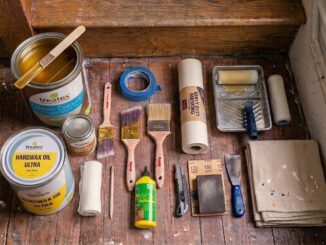
Painting woodwork, like spindles and balustrades, is a simple and low-cost way to upgrade your stairs on a budget. Whether you are refreshing the existing style or introducing a new colour, even a small update can be highly impactful. While painting the staircase is relatively straightforward, getting a professional looking finish can be a little more tricky, especially on spindles (the vertical wooden columns that support the banister). As they come in all kinds of shapes, including intricate and twisty designs, they are often much harder to paint than other parts of the stairs. To help budget conscious DIYers get professional results, Lucie Levelsy, director and stair part expert at Jackson Woodturners, shares her essential advice for tackling the job yourself. Lucie Levelsy, director and stair part expert at Jackson Woodturners said, "There are five steps to follow for a professional finish: protect, prepare, treat, prime, and paint. However, it's the fine details that help DIYers avoid visible mistakes, - helping to keep your hallway looking fresh and cared for. Things like drip marks, patchy coverage, and peeling paint can all be prevented with careful preparation and patient application." Lucie shares 9 mistakes to avoid when painting staircase woodwork and spindles Cutting corners on protection "Slapping tape down carelessly will result in messy edges and bleed-through. For a professional finish, take your time and press the tape as close to the edge of the spindles as possible. This shields the surrounding wood from rogue brushstrokes and guarantees a satisfyingly crisp, clean line when you peel it off. "Don't make the mistake of only protecting the immediate section you are working on either. An open paint tin on an exposed step is an accident waiting to happen. Instead, cover the entire length of the stairs with dust sheets before you open the paint." Painting the staircase in the wrong order "There is generally a right and a wrong order to paint your staircase woodwork, and painting them in the wrong order can lead to smudged paint and a ruined finish. "Always start by painting the spindles first as they are the trickiest and most intricate part. Tackling them first means you won't accidentally lean against and ruin a freshly painted handrail or step while trying to get into those awkward angles. "If you are painting the treads too, I'd recommend starting at the top and working your way down. That way, you won't end up stranded upstairs whilst the paint dries." Using the wrong application tool "Finding the right balance between speed and precision is key when painting a staircase. While sprayers are fast, they demand extensive prep and masking. For turned spindles, a 1" to 1.5" angled brush is the most reliable tool as its tapered tip reaches small nooks and paints crisp edges against steps and bannisters. "Save small high-density foam rollers for flat treads and risers (although a radiator roller brush can work well for spindles). "Avoid household sponges, which tear easily and trap air bubbles. For a unique alternative, try the 'sock method': wearing a plastic bag under an old cotton sock, dip your gloved hand into paint, and grip the spindle directly to coat every angle." Failing to wash and dry spindles fully after washing "Never sand a dirty staircase. If you don't prep the spindles first, you will simply grind years of oils and dust directly into the wood, preventing the new paint from adhering properly. Take the time to scrub the woodwork with sugar soap and a damp cloth, rinse with clean water, and allow it to dry fully before beginning the sanding process." "Failing to let the woodwork dry fully before painting traps moisture beneath the surface too, which causes the new coat to bubble, blister, and peel. Damp wood also prevents primers from absorbing into the timber fully." Skipping sanding "Although it will save time skipping the sanding step, this is a big mistake. Sanding ensures that the primer and paint fuse together properly and also removes any glossy shine that paint doesn't adhere to well. Bear in mind that you don't have to sand the finish to the bare wood though, you just want to rough the surface up to provide "tooth" for the paint to stick. "If sanding isn't for you, then you might try a paint remover. More powerful paint removers are available but these are restricted to professional users only and so generally DIY-ers have to make do with more standard formulas" Wrong type of paint and finish for use "A dedicated wood primer is essential for any bare timber to seal the surface and ensure maximum adhesion. Following this with one or two thin layers of undercoat creates a solid, uniform color base while helping to conceal underlying wood grain and minor imperfections. "For the final finish, choosing the right paint type for specific parts of the staircase is critical for a long lasting finish. Treads need a high-durability, non-slip floor paint built to withstand heavy foot traffic.. Meanwhile, elements like risers and side trims perform best with a tough semi-gloss or satin finish, which offer excellent wipeability and resistance, with a smooth sheen." Using unclean brushes "One of the quickest ways to ruin a topcoat on woodwork is using a brush that hasn't been cleaned properly. When old paint dries near the base of the bristles, it creates stiff clumps that drag through fresh paint, leaving unsightly streaks and ridge lines across flat surfaces. Tiny dried paint specks might break off too and embed directly into your wet topcoat, creating a gritty, uneven texture. For a brushmark-free finish always use a thoroughly washed brush" Painting against the grain "Always brush in the direction of the wood grain using long strokes. Painting against the grain drags the bristles, pushing excess paint into the wood's pores and creating uneven ridges, brush marks, and a rough texture once dry. "When running your hand along the wood, it should feel completely smooth in the direction you want to paint. Working with the grain allows the paint to settle evenly into the timber, delivering a smoother finish that stands up to daily wear." Ignoring the "5 spindle rule" when painting "To avoid drips, always apply paint in light coats and follow the "5-spindle rule." This is where painters should check their progress after every 5 spindles. In the time it takes to coat that section, any potential drips should have formed, but the paint won't have set yet, allowing you to quickly smooth them out before it dries." For more staircase and spindle painting tips, visit the Jackson Woodturners planning and advice hub.

How to Paint Stair Spindles Without Streaks, Drips, or Trapped Dust

October 7, 2026 Guest Writer 0

Painting woodwork, like spindles and balustrades, is a simple and low-cost way to upgrade your stairs on a budget. Whether you are refreshing the existing […]

FOLLOW US


What are you looking for? Search here

POPULAR RIGHT NOW!

  • How Luxury Girl became a shining star and how her journey has impacted the industry
  • How To Make A Kids Cape (in 7 easy steps)
  • Back in Time: July 1912
  • 30 Christmas Wallpapers
  • Five money conversations every couple can have to help them avoid financial stress
  • 1 in 6 Brits choose a chatbot over their mates for advice
  • Obsession in Session: What to Watch Next If You’re Addicted to Prime Video’s ‘Off Campus’
  • Top Tips for Keeping Your Dog Healthy
  • To Testosterone Max or not? Expert advice on the latest TikTok health trend
  • How much do you need to earn to be wealthy?
  • Advertise with us
  • Contact Us
  • Copyright notice
  • Daily Waffle on Twitter
  • Oops!
  • Our Disclosure Policy
  • Our Links
  • Privacy Policy
  • Sitemap
  • Thank You
  • The Zero-Cost Pinterest Affiliate Cheat Sheet
  • Website usage terms and conditions
  • Who we are at the dailywaffle.co.uk
    • Looking to guest post

Copyright © 2026 | WordPress Theme by MH Themes