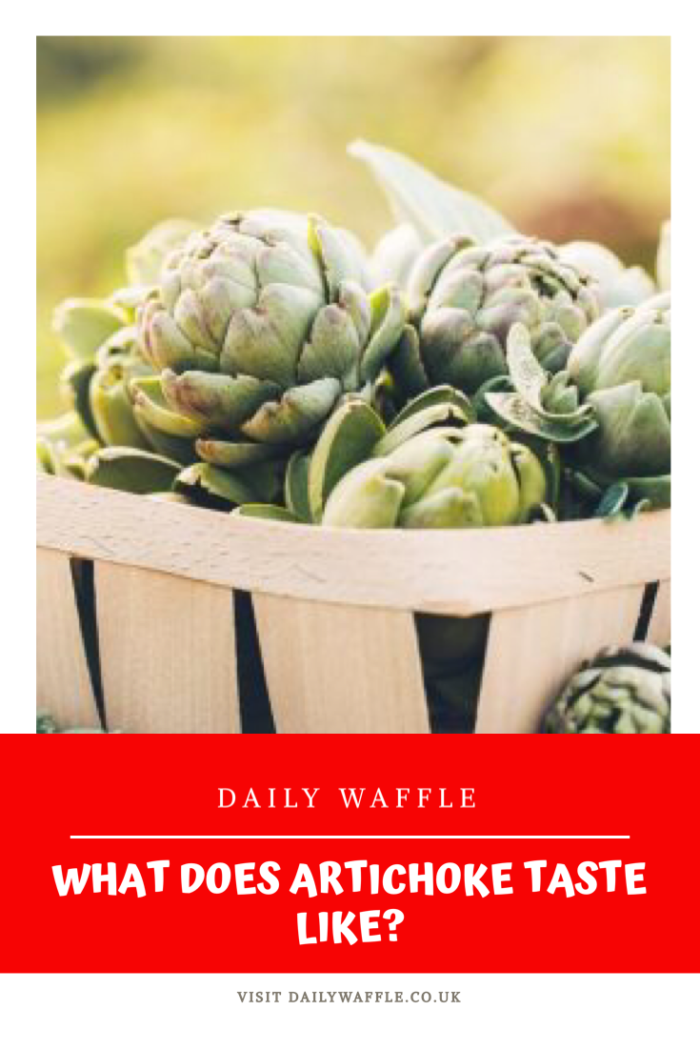
Artichoke tastes like a cross between asparagus and an unripe pear — slightly nutty, slightly grassy, with a faint sweetness once it’s cooked. That’s the short version. But it changes a lot depending on how you cook it, and honestly, the first time I tried one I did it completely wrong and wrote the whole vegetable off for years.
So I cooked the same batch four ways to actually settle it:
| Method | What it tasted like | Verdict |
|---|---|---|
| Raw | Bitter, almost metallic, barely edible | Skip it |
| Steamed whole | Mild, earthy, closest to the “classic” description | Best for beginners |
| Grilled | Smokier, slightly charred edges, more savoury | My favourite |
| Jarred (in oil) | Sharper, tangier, salty from the brine | Best for salads, not on its own |
The part nobody mentions: most of what you’re actually eating is the heart and the base of the leaves — the rest of the leaf is basically inedible and you scrape it against your teeth to get the bit of flesh off. If you don’t know that going in, the whole experience is confusing and a bit underwhelming, which is probably why so many people try it once and never again.
If you’ve ever spotted an artichoke at the supermarket and wondered what on earth you’re supposed to do with it — or what it even tastes like — you’re not alone. This spiky, prehistoric-looking vegetable confuses a lot of people, yet it’s one of the most versatile and nutritious ingredients you can add to your cooking. Here’s everything you need to know.
What Is an Artichoke?
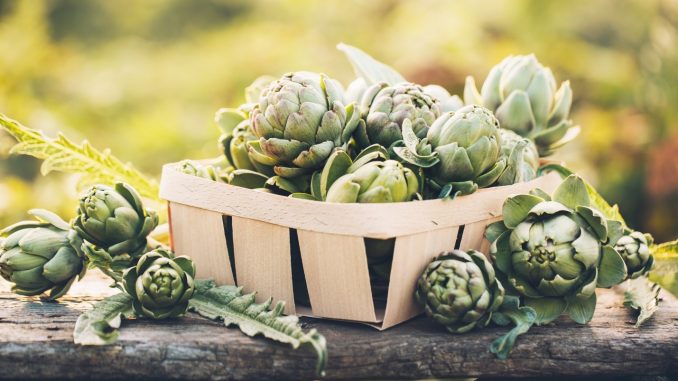
The artichoke is actually the immature flower bud of the thistle plant. Left to fully bloom, it produces striking purple flowers — but harvested early, it becomes the edible vegetable we know. It’s round, green, and made up of tightly packed leaves surrounding a tender centre.
There are two types you’ll commonly come across:
- Globe artichoke — the large, classic variety grown on the main stalk of the plant. This is what you’ll usually find in supermarkets.
- Baby artichoke — smaller offshoots from the lower stems. They’re more tender, require less prep, and can even be eaten raw.
What Does Artichoke Taste Like?
The best way to describe artichoke is earthy, mildly nutty, and subtly sweet — somewhere between asparagus and celery, with a hint of broccoli. The flavour is gentle rather than bold, which is part of what makes it so versatile in cooking.
Different parts of the artichoke taste slightly different:
- The leaves — the base of each leaf has a thin layer of flesh that you scrape off with your teeth. Steamed or boiled, it has a soft, almost potato-like texture with a mild, slightly nutty flavour.
- The heart — this is the prized part. Tender, juicy, and slightly sweet, the heart has a richer flavour than the leaves and a texture similar to a soft eggplant or cooked mushroom.
The cooking method also changes the flavour profile noticeably:
- Steamed or boiled — clean and fresh, closest to its natural taste
- Grilled — smokier and slightly sweeter as the natural sugars caramelise
- Fried — crispy outside, tender inside, similar in taste to fried asparagus
- Unseasoned and raw — quite bland, almost reminiscent of plain egg whites
Because the flavour is so mild, artichokes take on other flavours well — which is why you’ll often see them paired with garlic, lemon, butter, or strong cheeses.
Can You Eat the Whole Artichoke?
Almost — but not quite. The artichoke has six main parts: the stem, heart, inner and outer petals (leaves), the centre choke, and the thorns at the tip of the leaves. Here’s what’s edible and what isn’t:
- Edible: the stem, the heart, and the base of the leaves
- Not edible: the choke (the fibrous, hairy cluster at the centre) and the sharp thorns on the leaf tips
The choke in particular is worth paying attention to — it’s where the vegetable gets its name. If swallowed, the fibres can literally make you choke. It’s much easier to remove once the artichoke has been cooked. In baby artichokes, the choke is so underdeveloped that the whole thing can be eaten.
Health Benefits of Artichokes
Artichokes are impressively nutritious for how low in calories they are — a large globe artichoke contains around 50 calories. They’re packed with:
- Fibre — great for gut health and keeping you full
- Antioxidants — artichokes rank among the highest antioxidant vegetables
- Vitamin C — supports immune function
- Folate (folic acid) — particularly important during pregnancy
- Prebiotic properties — the inulin in artichokes feeds beneficial gut bacteria
How to Choose a Good Artichoke
Artichokes are available most of the year, but their peak season is spring and early autumn — that’s when you’ll get the best flavour and value.
When buying, look for:
- A firm, vibrant green colour
- Tight, compact leaves — not splayed out or open
- A heavy feel for its size (light = dried out)
- A fresh-cut stem with no shrivelling
A fun trick: a very fresh artichoke will squeak when you gently squeeze it. If you see some brown streaking on the leaves, don’t worry — this is usually just frost damage and doesn’t affect the taste.
For storage, seal artichokes in an airtight bag and keep them in the vegetable drawer of your fridge. They’ll keep for up to a week, but as with most fresh veg, the sooner you use them the better.
How to Prepare an Artichoke
Artichokes can look intimidating, but once you know the steps they’re actually straightforward to prep. One thing to note before you start: artichokes oxidise quickly once cut and will turn brown on exposure to air. Use a stainless steel knife, and have a lemon to hand — rubbing the cut surfaces with lemon juice will prevent discolouration.
- Rinse the artichoke well under cold water. If it’s particularly dirty, soak it for 10 minutes first.
- Pull off any small, tough leaves around the base and stem.
- Trim the stem to about an inch and score the bottom to help it cook evenly. Rub immediately with lemon.
- Using kitchen scissors, snip the sharp tips off the outer leaves. Rub cut areas with lemon as you go.
- With a serrated knife, slice off the top quarter of the artichoke where the leaves are tightly packed. Rub with lemon.
- Your artichoke is now ready to steam, boil, roast, grill, or fry.
Frequently Asked Questions
Does artichoke taste like anything familiar?
Most people find artichoke tastes closest to asparagus or celery, with a subtle nutty undertone. The heart is often compared to a mild, slightly sweet version of cooked mushroom or eggplant.
Is artichoke an acquired taste?
Not really — it’s mild enough that most people enjoy it from the first try, especially when served with a dipping sauce like garlic butter, aioli, or vinaigrette.
Can you eat artichokes raw?
Baby artichokes can be eaten raw and are sometimes shaved thinly into salads. Globe artichokes are much better cooked, as raw they can be quite tough and fibrous.
What’s the difference between an artichoke and a Jerusalem artichoke?
They’re completely different plants. Jerusalem artichokes are a type of sunflower with a small, knobbly root vegetable — they taste earthy and slightly nutty, a bit like a water chestnut. Globe artichokes are the flower bud variety described throughout this article.
The Bottom Line
Artichoke is one of those vegetables that’s well worth getting to know. The taste is mild, earthy, and gently nutty — approachable enough for most palates, and versatile enough to work in everything from simple steamed starters to pasta sauces, dips, and pizzas. If you’ve been curious about trying one, consider this your sign to pick one up next time you see them.
Looking for more food guides? Browse our Foodie Waffle section.
PIN FOR LATER!