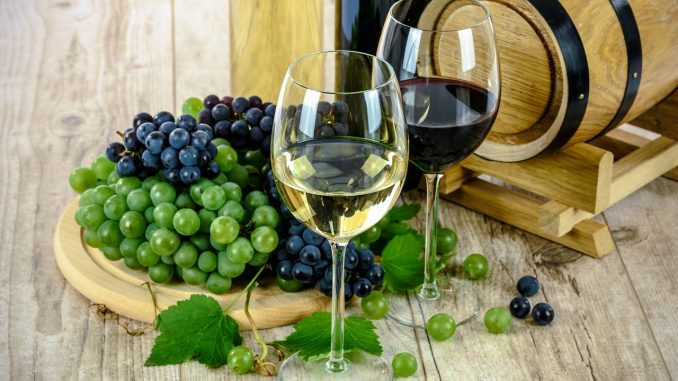
Wine is a rich and complex topic. It’s so much more than just a small luxury – it has historical and cultural significance intermingled with factors like genetics, geology, and agriculture. Each bottle has its own unique story. When you’re just a beginner trying to learn about wine, it can be quite overwhelming and intimidating.
Even if you’re not entirely new to drinking wine, you may be committing a few common rookie blunders that are affecting how you enjoy your wine. These expert tips debunk a few myths out there and help you avoid making that faux pas. Whether you’re casually sipping wine at the end of a long day or buying in a store, these are seven rookie mistakes you want to avoid making as a beginner:
1. You’re not adventurous when buying wine
Likely, you’ve already decided on your favorite style of wine, and it’s what you buy every time. If that’s the case – you’re missing out on so many enjoyable experiences. There are hundreds of thousands of wine brands in the world, and each style and type have at least subtle differences, depending on the variety of grape and the region it’s grown in.
If you’ve been sticking to just one type – like if you only drink dry red wine – it’s time to experiment. You could start slowly by going with something similar to what you already enjoy. For example, you might like Mencía and Sangiovese if you like Oregon’s Pinot Noir as they have very subtle variations in food-friendliness and acidity. Learning the general characteristics like the origin and flavor of the grapes you already like can help you feel like more of an expert when shopping for a new one. Always look to have an adventure with your wine by keeping an open mind.
2. Ask shop assistants for their wine selection
When you’re looking to buy a new bottle, there seem to be endless choices to pick from. If you’re not too familiar with origins, characteristics, and flavor notes, the label on the product won’t be of much help. So don’t hesitate to ask a wine connoisseur or a sommelier for help.
A great sales agent can show you wines you couldn’t have found on your own. Tell them your price range, wines you’ve enjoyed before, or what dish you’re hoping to pair it with. Who knows, it might lead to you finding yourself a new favorite!
An extension of this mistake is rejecting the waiter’s offer to taste their wine, or not asking a bartender for their pick. By doing so, you could be missing out on a world of wine.
3. You’re pairing the wrong wine with your meal
The perfect wine for your meal will enhance the flavors in your dish. Some of the most common pairing mistakes include pairing fish or caviar with Cabernet Sauvignon, or vinegary dishes with Pinot Noir.
To fix this, learn a few essential pairing tips. A general rule is that food and wine that grow in the same place go together. For example, if you have Spanish cuisine, local wine from that region will go well with it. To find the perfect wine when you’re dining outside, you can ask a sommelier for assistance. But at the end of the day, don’t overthink it. Just trust your palate.
4. You only store white wine in the refrigerator
Most rookies only store their open white wine bottles in the fridge, but it’s just as important to save the reds there, too. Oxygen exposure is something you should think about when leaving your open red wine out on the counter. A free bottle should see as little oxygen as possible to help it preserve its fruity flavors. Too much of it will result in a wine with an unpleasant taste and barely any aroma.
A fridge will preserve your red wine at the optimum temperature and keep it flavorful for longer. When you’re going to serve, just let it sit for five to ten minutes to get the most out of your glass throughout the week.
5. Paying more does not guarantee higher quality
It’s not true that you need to spend a lot of money to get great wine. With a little research online and by talking to fellow wine connoisseurs, you can find something you will enjoy without paying too much.
Indeed, a wine that comes cheaply (below 8 dollars) may not be the best. But it’s also true that most wines between 15 and 30 dollars don’t have notable differences. So it’s entirely unnecessary to feel pressured to pick bottles towards the higher end, especially for regular weeknights.
6. You fall for flashy labels
Never choose a bottle just because you think it has a nice label. Of course, an artistic label doesn’t mean that the wine is terrible. But if you’re using only that one criterion to pick out a bottle, you’re making a rookie mistake. To make a more informed decision, read or ask about what’s inside the bottle.
7. You pour your Bordeaux till the very last drop
If you’re one of those who pour out or drink even the last few drops of their Bordeaux, you’re making a prevalent rookie mistake. Most old wines have sediment at the bottom. If yours is something that’s been aging for a few years, let it stand for 30 to 120 minutes to let it settle before you uncork it. When you’re serving, make sure you leave at least 0.5 inches towards the end, so you don’t pour out the sediment into your glass. While the sediment isn’t toxic, it’s undoubtedly muddy and unpleasant to taste, and you wouldn’t want that.
Final Words
There’s a lot to know about wine and so making mistakes, especially as a newcomer, is understandable. But a lot of them can be avoided, like the seven mentioned above. Moreover, to make better choices with your beloved beverage, it’s essential to learn more about it by attending wine store tasting sessions or even reading books about it. Who knows, it might also help you impress your date with a tip or two.
Author bio ; With nearly 5 years of experience in wine marketing, Harold Camaya is considered a thought leader in digital marketing of luxury wines.
From writing, event planning and public relations to videography and digital media, he continues to diversify his skills with changing trends and technologies. He has written many captivating and informative articles on whiskey such as Remedy Liquor.
On his off days, he likes to spend his time at the nearest animal shelter, lift weights or be nose deep in a novel.
