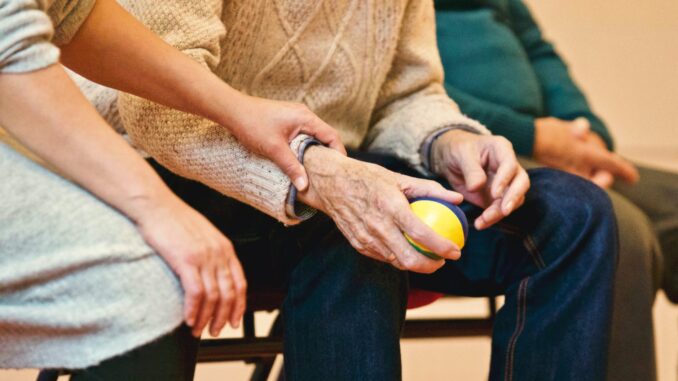
People with dementia have been hit hard by the Covid-19 pandemic, in fact, studies show that Coronavirus-related depression can worsen dementia symptoms. There is further research to prove that Covid-19 may increase a person’s likelihood of developing dementia. Dementia experts globally, have expressed concerns around the link between dementia and the neurological symptoms of COVID-19.
Recent studies have shown that music can unlock memories and be a powerful tool in improving the lives of people with dementia. Therefore, Home Care provider, Abbots Care, have launched a campaign for Dementia Action week, to educate people and build awareness of how music can be an invaluable tool in improving dementia sufferer’s lives; able to improve health and wellbeing.
8 Ways Music Helps to Ease Dementia Symptoms:
- Classical music can help slow down the onset of dementia: listening to Mozart music can enhance gene activity in areas of the brain linked to learning and memory, a Finnish study showed.
- Research has shown that music lights up parts of the brain that cannot be stimulated by anything else.
- Live music may be more beneficial than pre-recorded music. A study found that live interactive music had immediate and positive engagement effects in subjects with apathy, regardless of the severity of their dementia.
- Personalised music can provide the best outcome in improving mood, reducing agitation, and reducing dementia symptoms.
- People that learn to play a music instrument in later life, are a third less likely to develop dementia, a United States study found.
- Music can reduce anxiety and depression in those with dementia, as well as helping to maintain speech and language.
- Music can help by triggering the brain the release of endorphins resulting in an overall reduction of anxiety, depression, and more general agitation.
- Listening or engaging with music can help dementia sufferers express their feelings and ideas non-verbally and verbally.
In care homes it is estimated that 80% of people have dementia or very significant memory problems but only 5% have access to art and music.
Abbots Care have Specialists Dementia Home Carers that offer personalised services across the southeast, this includes flexible home care visits and emergency dementia respite care if your regular carer needs a break. For more information on Abbots Care’s dementia services please visit: https://abbotscare.com/service/dementia-care/
