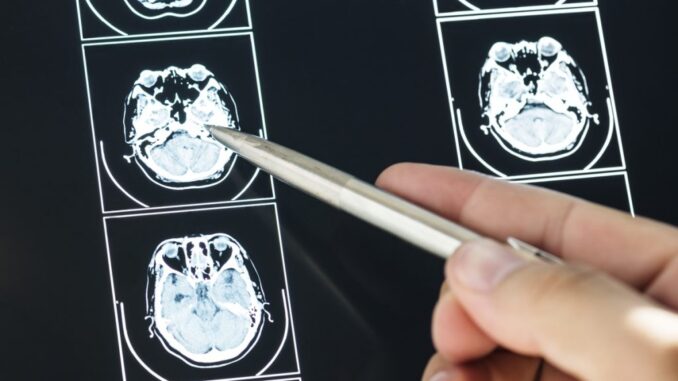
Throughout our lives, we’ve heard countless stories of accidents that tend to alter the lives of those involved in the blink of an eye. However, we tend to overlook one of the most devastating and severe consequences of any accident: head injuries.
According to the best minds associated with the top law firms who have helped many receive head injury compensation, these serious injuries tend to have far-reaching consequences. These consequences extend beyond the initial trauma. In fact, they can completely change how we feel, think, and interact with the world around us.
Now the question arises: Is it worth knowing or caring about?
To answer this, let’s dive deep into the complexities of brain injuries and how they can have a huge impact on individuals and families.
Different Types of Traumatic Brain Injuries
Do you know more than 69,000 TBI-related deaths occurred in the United States in 2021? This implies that almost 190 TBI-related deaths occur every day.
There are two types of head injuries.
● Closed Brain Injury: A closed brain injury is caused bya swift forward or backward movement and shaking of the brain inside the skull. This leads to tearing and bruising of brain tissues and blood vessels. Closed brain injuries are generally caused by car accidents, falls, and, increasingly, in sports.
● Penetrating Brain Injury: Penetrating or open head injuries usually occur when there’s a break in the skull, like when a bullet pierces the brain.
Long-Term Impacts of Head Injuries
The long-term impacts of head injuries can be severe. Survivors of the accidents may have to suffer from cognitive deficits, chronic pain, emotional disturbances, and even certain personality changes.
Numerous conditions, such as post-concussion syndrome, can persist for months or even years, which can impact the quality of life severely.
In fact, numerous studies over the years have demonstrated that individuals who have a history of head injuries are more likely to develop neurodegenerative diseases like Parkinson’s and Alzheimer’s.
Psychological Impacts of a Head Injury
Various behavioral and cognitive changes that influence one’s emotions or personality may happen following a brain injury. These changes can be referred to as the psychological impacts of a head injury.
Here are some of the common psychological effects of a head injury:
● Anger and Aggression
● Intense, inappropriate, and swiftly changing emotional responses
● Anxiety
● Alexithymia
● Lack of emotional expressiveness
● Paranoia
● Anosognosia
Prevention and Awareness of Head Injuries
Given the serious consequences of head injuries, knowing the effective ways to prevent them has become crucial. More and more public awareness campaigns must be conducted topromote safety in sports, seat belt use while driving, and theadoption of workplace safety measures.
Here are some other effective ways to avoid head injuries:
● Refrain from driving under the influence of drugs or alcohol
● Avoid using your phone while driving
● When participating in sports, make sure to wear a helmet and protective gear
● Installing handrails in bathrooms and both sides of the stairways to prevent falls at home
● Getting regular eye checkups
● Using nonslip mats on the shower floor or bathtub
It is also significant for healthcare professionals to become more adept at identifying and treating head injuries. This will help reduce numerous long-term damages and facilitate proper treatment in time.
Wrapping Up
As you see, head injuries are probably one of the most devasting consequences of any accident due to their long-lasting effects and psychological implications. These consequences can impact not only the individuals involved in the accident but also their families. Hence, it increases the need for effective prevention, increased awareness, and early comprehensive treatments.
It also becomes imperative to develop an environment that focuses on safety and mental health support. When we focus on these critical areas, we can protect ourselves from the considerable impacts of head trauma, thereby fostering a more resilient society.