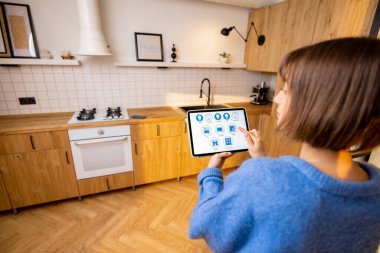
Smart homes. Wearable devices. Voice assistants. Numerous mobile applications. All of them make our lives more automated and comfortable. And we would like them to be just as safe. However, new opportunities bring new risks. User privacy becomes vulnerable to manipulation. Most users of smart home devices are unaware of how much personal data their gadgets collect. Residents often have no idea how often data is transferred to third parties. Therefore, it is crucial to properly configure the security of your digital space.
Challenges of the Digital Age
Modern smart home devices integrate features that simplify life, namely it’s a remote control of:
- Lighting,
- Climate control,
- Video surveillance systems,
- Door locks.
However, these devices are often a potential target for hackers. The reasons for this are as follows:
· Standard or weak passwords,
· Insufficient data encryption,
· Inadequate protection against attacks.
Devices connected to a single network become part of a complex ecosystem. Therefore, information leakage from one element threatens the security of the entire system.
Special attention should be paid to setting up home automation and security. Surveillance cameras, remote access locks, and motion sensors can be both a protection and a vulnerability. Unauthorized access to these devices is wholly losing control of your home.
How do you know if your phone is at risk?
The security of your home is inextricably linked to the protection of your personal mobile devices. After all, it is through your smartphone that you control most of your smart home devices and check your cameras. You can also use your mobile phone to adjust the temperature and receive notifications about suspicious activity. If your smartphone is at risk, this automatically puts your entire smart home at risk. However, users often don’t even notice that their phone is being tracked. That’s why you should read in-depth information regarding the phone is tracked issue and learn more about all aspects of detecting smartphone tracking. This is crucial if you notice rapid battery drain or malfunctioning battery. Or if you see unstable performance in public Wi-Fi hotspots or suspicious activity related to your IMEI number. In any of these cases, you should seriously consider your security and familiarize yourself with the Moonlock resource. After all, a smartphone is not only a means of communication, but also a control panel for your digital home. Therefore, any threats to your phone automatically become threats to your personal security.
Smart Home Technologies and Safe Use
Follow these easy but effective cyber hygiene standards to make your connection with smart home gadgets as positive as possible.
Strong passwords. Two-factor authentication.
Every gadget and app should have a unique, complex password. Implement two-factor authentication wherever possible.
Apps’ restricted access to data.
Carefully check what permissions you are granting to the apps. Not all of them need access to your geolocation or camera.
Up to date software.
Manufacturers of smart home devices regularly release updates. These updates fix vulnerabilities in the system. By ignoring these updates, you are making your system an easy target for cybercriminals.
Smart Home Safety and Data Privacy In the Cloud
Most smart home devices interact with cloud services for video storage, data analytics, and settings synchronization. This is convenient, but also potentially dangerous.
– Choose trusted manufacturers.
Pay heed to the manufacturer’s privacy policies. Global firms typically prioritize data protection above lesser-known brands.
– Check where your data is stored.
Find out if you can store information locally, not just in the cloud.
– Manage your data yourself.
Regularly clear your activity history and disable features you don’t use. Also, remove devices you no longer use.
Wi-Fi Network Protection
Your Wi-Fi router is the primary connection point for all of your smart home gadgets. Therefore, its security is critical.
– Create a separate Wi-Fi network for your smart devices.
Even if someone hacks into your network, they won’t be able to access your main network.
– Use modern encryption standards.
Make sure your router supports WPA3. At least, WPA2.
– Disable unnecessary features.
If you do not use your router, disable remote access to it. Limit access to settings to only authorized devices.
Personalization Without Compromising Security
Smart systems are appealing because they adjust to your lifestyle. Yet, as they acquire more data, they run the risk of losing control.
– Minimize the amount of data collected.
– Turn off unnecessary tracking options.
– Control voice assistants.
– Check which conversations are stored and clear this history regularly.
Conclusion
Smart home technology has tremendously increased our comfort. But these advancements have posed new issues to privacy and data security. To get the most out of home automation and security, carefully configure devices. Intelligent use of smart home safety does not necessitate giving up innovation. Simply pay attention to the security settings. Keep an eye out for updates. Be careful with data access. Under these situations, technology will work for you rather than against you.