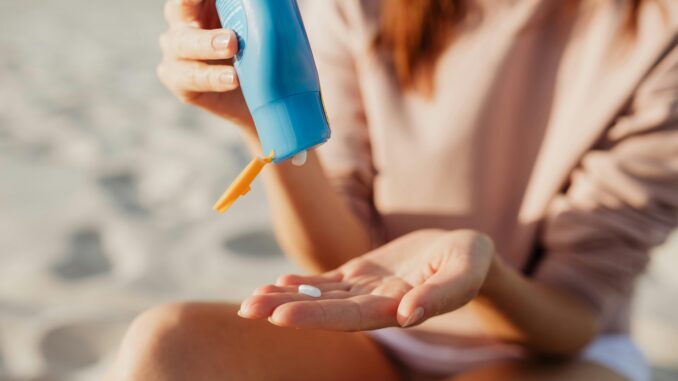
With the UK experiencing its warmest day of the year so far, many Brits are reaching for last summer’s sunscreen, but a surge in online searches suggests there’s growing confusion around whether it’s still safe to use.
In the past week alone, searches for ‘SPF expiry’ have skyrocketed by +2,250%*, as people question if the half-used bottles sitting in cupboards and beach bags are still effective.To tackle this seasonal uncertainty, Cult Beauty has partnered with Dr Deborah Lee from Dr Fox Online Pharmacy to share expert advice on how long sunscreen really lasts, how to tell if its gone off, and how to use SPF properly to stay protected as temperatures rise.
Does your sunscreen expire?
With Brits already enjoying the first hot days of spring, many are reaching for sunscreen that’s been sitting in cupboards since last year but it may not be safe to use. According to Dr Deborah Lee, SPF does have a shelf life, just like any skincare product. Most sunscreens now carry an expiration date, usually on the top or bottom of the bottle, and if yours doesn’t, it’s a good idea to note the date you opened it directly on the packaging.
Once opened, sunscreen generally lasts around 12 months. But if it’s been exposed to heat, humidity, or if it looks, smells, or feels different, it’s best to replace it. Using expired SPF can reduce protection against UV damage and, in some cases, may contain bacteria or mould that could irritate your skin.
Here’s how to check if your sunscreen has gone bad
There are a few easy ways to tell if your sunscreen is past it’s best:
- Check the texture – If the formula has separated or turned runny or lumpy, it’s no longer reliable.
- Smell it – A sour, musty or off scent is a red flag.
- Look at the colour – Any colour change, especially if it’s yellowed or darkened, could indicate it’s degraded.
- Inspect the packaging – If the bottle is cracked, swollen or has been sitting in direct sun (like on a windowsill or in your car), it’s best not to risk it.
Using expired sunscreen won’t offer the same level of protection, and in some cases, it may even cause breakouts or irritation due to bacterial contamination. When in doubt, throw it out.
Here’s how much sunscreen you should actually use
To get full body protection, you should apply around two teaspoons for each area you’re covering. Put simply, that is:
- Face and neck – two teaspoons
- Arms – two teaspoons, one teaspoon for each arm
- Legs – two teaspoons, one teaspoon for each leg
- Chest and stomach – two teaspoons
- Back and shoulders – two teaspoons
If applied properly, your sunscreen should run out well before it expires – but if your bottle’s been sitting around since last summer, it’s likely time to replace it.
Here’s the right way to apply sunscreen
The application of SPF should be a non-negotiable step in your skincare regimen every day.
However, there are many uncertainties when it comes to how to apply SPF the right way. By following these simple tips, you won’t go wrong:
- Before you do anything, shake your sunscreen bottle. This will help break up any clumping that occurs over time.
- Use the three-finger rule when applying it to the face. Gently tap the formula all over your face, ears, and neck rather than just rubbing it all on to avoid irritation and to ensure a smoother application.
- When applying to your body, smear small, evenly sized dots over all areas exposed to the sun. Gently massage the sunscreen in until you can’t see it anymore. Remember not to forget those sneaky spots that are easy to miss, like the neck and the back of your hands and feet.
- If you are heading out to have fun in the sun, allow the formula to soak into your skin for at least 15 minutes before heading outdoors.
For all your SPF staples shop here: https://www.cultbeauty.co.uk/spf-tanning.list
Photo by www.kaboompics.com: https://www.pexels.com/photo/woman-putting-sunblock-on-her-hand-5202453/
