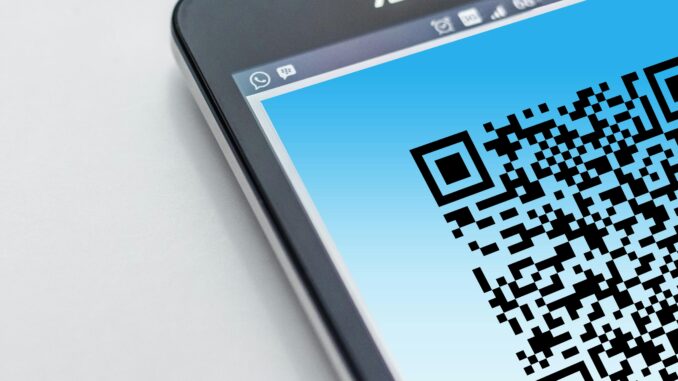
If you’ve picked up a pack of Tesco sausages recently and noticed something a little different on the packaging, you’re not imagining things. Tesco has quietly made history — and it started with a banger.
The UK’s biggest supermarket has become the first grocery chain in the country to switch an entire product range away from traditional barcodes and over to QR codes. The rollout covers 13 lines of its own-brand sausages for now, including Pork Chipolatas, Cumberland, and Lincolnshire varieties — but this is very much the beginning of a much bigger change.
So what’s actually different?
For most of us doing the weekly shop, the checkout experience stays exactly the same. You scan, you pay, you go home. The QR code works just like a barcode at the till, so there’s no faff involved.
The difference comes when you point your smartphone camera at the packaging. Instead of just identifying the product, a QR code can hold far more information — think nutritional details, ingredient sourcing, traceability information, recipes, and even competitions. In short, the packet becomes a gateway to a much richer picture of what you’re actually buying.
Tesco’s development and change director Peter Draper described it as “a tiny and almost invisible change at the checkout, but a significant step forward for the retail industry” — and he’s not wrong.
Why does this matter beyond the sausages?
This isn’t just a packaging tweak. Traditional barcodes have been the standard in retail since the 1970s, and this is the first meaningful shift away from them in decades. Tesco has been working with GS1 — the global body that sets barcode standards — on this change, and GS1 is already encouraging other retailers and manufacturers to follow suit.
Behind the scenes, the benefits for supermarkets are significant. QR codes give retailers much better visibility over stock levels and expiry dates, helping them order more accurately and cut down on food waste. Perhaps most importantly, they transform how product recalls work. Rather than pulling every single item off shelves when something goes wrong, supermarkets will be able to pinpoint the exact affected batches — and even block those products at the till or contact customers who’ve already bought them.
What comes next?
The plan is for QR codes to eventually roll out across all Tesco products, not just the sausage aisle. And with the industry body actively pushing for wider adoption, it’s likely only a matter of time before you start seeing them across other supermarkets too.
Tesco has also hinted at more personalised future possibilities — tools that could help shoppers manage food at home and reduce household waste. Whether that excites you or makes you slightly uneasy probably depends on how you feel about your supermarket knowing quite a lot about your shopping habits. But either way, the days of the humble barcode are numbered.
It’s a small square on a sausage packet. But it might just be one of the biggest changes to hit your weekly shop in a very long time.
Photo by Pixabay: https://www.pexels.com/photo/qr-code-on-screengrab-278430/