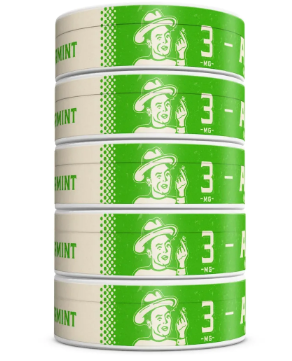
If you have ever glanced at a nicotine pouch tin and wondered what the numbers mean, you are not alone. The labels look simple, but a few figures do a lot of work, and understanding them is the sort of useful waffle that saves you from guessing. This guide is for adults only, and it is worth saying at the outset that nicotine is addictive.
What does the milligram number mean?
The figure on a pouch is the amount of nicotine in each pouch, measured in milligrams. Higher numbers mean more nicotine, not a better product. Brands vary wildly, so there is no universal “mild” or “strong” without checking the number. Brands and strengths are laid out, according to Pouch Haven, in three bands: 0-5 mg, 6-9 mg, and 10 mg and above. Within that, individual products show a spread. ZYN Spearmint is listed at 3 mg and 6 mg, ON! Mint at 2, 4, and 8 mg, and Juice Head at 6 and 12 mg.
The lesson is to pick the variant deliberately rather than assuming a familiar flavour comes in only one strength.
And the flavours?
Flavour is the fun bit, and it has nothing to do with strength. The same US store lists mint, wintergreen, peppermint, spearmint, citrus, cinnamon, coffee, and fruity options across brands including ALP, Grizzly, Juice Head, Rogue, Velo Plus, Zone, and ZYN. A flavour is a taste, not a promise of mildness or quality.
What does the warning say?
Pouch Haven’s pages display the same message: “This product contains nicotine. Nicotine is an addictive chemical.” It is a blunt line, and it is the single most important thing on the page.
Are pouches the same as stop-smoking products?
Not quite, and this is where a trusted source helps. The NHS explains that nicotine replacement therapy (NRT) supplies lower doses of nicotine to reduce cravings and comes as patches, gum, sprays, or lozenges. Its page on stop smoking aids says nicotine has been safely used in stop-smoking products for years, and that the other chemicals in cigarettes cause most of the damage. It also recommends speaking to a healthcare professional to choose the right product and suggests using NRTs for at least 12 weeks, or longer if needed.
That advice is about medicines designed to help people quit, which is a different thing from a consumer pouch bought for its flavour. If your aim is to stop smoking, a conversation with a healthcare professional is the better first step.
Reading between the lines
So, the next time a pouch label has you squinting, remember the basics. Check the milligrams first, treat flavour as a separate choice, read the warning, and look to health bodies such as the NHS for anything involving quitting. Stores that publish their strength bands and warnings openly, as Pouch Haven does, make that kind of label-reading far easier, and that is the kind of detail that keeps a sensible adult one step ahead.
A note for readers outside the US
The store mentioned here speaks to US customers, so rules on selling and shipping nicotine products may differ from what applies where you live. Check local requirements before buying anything online and treat any retailer’s own claims as a starting point for further reading rather than gospel.
Leave a Reply