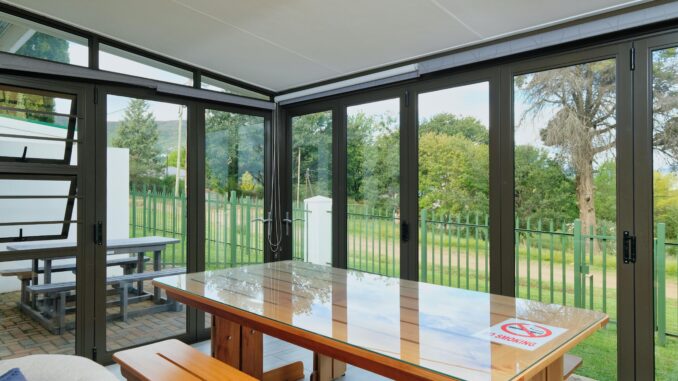
More and more homeowners are choosing to use their conservatory as a year-round living space rather than a seasonal retreat that gets abandoned the moment the temperature drops. But if your conservatory is freezing in winter and sweltering in summer, the problem almost certainly comes down to insulation — or the lack of it.
Knowing how to insulate your conservatory properly can transform it from an uncomfortable extra room into a genuinely usable space in every season. It can also make a meaningful dent in your energy bills by stopping heat from escaping through the floor, walls, roof, windows, and doors.
Here’s a complete guide to conservatory insulation, covering every part of the structure and the options available to you — whether you’re building from scratch or retrofitting an existing conservatory.
Plan Ahead If You Can
If you’re still in the planning or construction phase, now is the best time to think about insulation. Building insulation measures into a conservatory from the ground up is significantly easier and more cost-effective than retrofitting later. That said, retrofitting is absolutely possible — it just requires a bit more thought about which options work within the constraints of your existing structure.
It’s also worth noting that unlike extensions and new builds, conservatories are not currently subject to building regulations for insulation in the UK. This means the level of insulation you include is entirely your decision — but the more you invest upfront, the more comfortable and energy-efficient your conservatory will be long-term.
How To Insulate a Conservatory Floor
Floor insulation is often overlooked, but it’s one of the most impactful areas to address. It’s estimated that at least 15% of heat can be lost through an uninsulated conservatory floor — which is a significant amount when you’re already battling cold temperatures outside.
Basic option: If your conservatory has a carpet, switching to a thicker, higher-quality underlay is a quick and affordable first step. It won’t transform the space, but it adds a layer of warmth with minimal disruption.
Mid-range option: If you have a suspended timber floor over a concrete base, the cavity between the two can be filled with insulation material such as polystyrene boards — an effective solution that doesn’t require major structural work.
Best option: For maximum performance, lift the existing floor and install rigid insulation boards beneath it. Products from Kingspan and Celotex are widely used for this purpose and are the same type of insulation found in single-storey extensions. This method needs to be installed before the concrete floor is laid for new builds, but thinner boards can also be added above the concrete in existing conservatories — although how much height you have to play with will depend on the clearance beneath your doors.
How To Insulate Conservatory Walls
Many conservatories are built with a dwarf wall — the low solid wall that runs from the ground up to the point where the glazing begins. This section of the structure is insulated in the same way as a standard house wall.
If your dwarf wall is a cavity construction, a cavity wall insulation specialist can inject insulation material into it, significantly reducing heat loss through that section. This is a relatively quick and minimally invasive job when carried out by a professional, and it’s well worth doing if the cavity hasn’t already been treated.
Solid dwarf walls can be insulated using internal insulation boards, though this does reduce the internal dimensions of the conservatory slightly.
How To Insulate a Conservatory Roof
Because hot air rises, the roof is one of the biggest sources of heat loss in any conservatory. The right insulation solution for your roof will depend on its current condition, your budget, and how much disruption you’re willing to tolerate.
Shiplap UPVC panels are an increasingly popular internal ceiling system. They slot together in an overlapping design, can typically be fitted in around a day, and serve a dual purpose: they keep rising heat inside during winter while also reducing glare and preventing the conservatory from overheating in summer. A good option for homeowners who want a tidy, finished look without the cost of a full re-roof.
Plastered insulation systems take a more permanent approach. When installed correctly with proper venting to prevent condensation build-up, a plastered finish provides effective, breathable insulation that can be decorated to suit your interior. Like the shiplap option, it reduces heat loss and cuts down on excessive sunlight — and it can look indistinguishable from a standard plastered ceiling once finished.
Full roof replacement is the most disruptive and expensive option, but sometimes the right one — particularly if your existing roof is old, poorly fitted, or too structurally weak to support other insulation methods. A replacement roof installed by a reputable contractor can be designed to blend seamlessly with the existing conservatory style, and modern roofing systems come with high-performance insulation already built in. This is the option that delivers the biggest long-term improvement in year-round comfort and energy efficiency.
Don’t Forget Windows and Doors
Glazing and doors are significant sources of heat loss that are easy to underestimate. If your conservatory has older single-glazed windows, upgrading to double or even triple glazing will have a noticeable impact on how warm the space feels — and how much it costs to heat.
Modern double-glazed units are the minimum to aim for in a UK climate. Triple glazing is worth considering if your conservatory faces north or is particularly exposed to the elements, as the additional pane offers meaningfully better thermal performance.
Doors deserve attention too. The door leading from the conservatory to the outside needs to be both well-insulated and properly secure — older doors in particular may no longer meet current security standards, making replacement a practical decision on more than one level. The internal door connecting the conservatory to the rest of the house is also worth checking; a well-fitting, solid door here helps prevent heat from the main house being drawn into the conservatory unnecessarily.
Weighing Up the Cost
Any conversation about conservatory insulation eventually comes down to cost versus reward. The upfront investment in floor, wall, roof, window, and door improvements can vary enormously depending on the condition of your existing conservatory and how comprehensive you want the work to be.
The returns, though, are tangible: lower heating bills, a space you can actually use throughout the year, and a home that feels more complete rather than half-finished. For many homeowners, a properly insulated conservatory adds usable square footage without the cost of a full extension.
If you’re unsure where to start, getting quotes for individual elements — roof insulation, floor boards, new glazing — allows you to prioritise by impact and spread the investment over time.
A well-insulated conservatory doesn’t have to be a luxury. With the right approach, even an older structure can be made warm, comfortable, and genuinely useful from January through to December.
For more home improvement guides, head to our Useful Waffle section.
PIN FOR LATER!
Photo by Alexander F Ungerer: https://www.pexels.com/photo/modern-sunroom-with-outdoor-view-31267704/
