As the colder months come to an end, gardens across the UK will need a revival following harsh winter weather, and experts are revealing how best to do this.
Research shows a spike of 80% in Google searches during the last week in March for ‘winter garden’ and ‘spring gardening’, as gardeners look for the best ways to counteract any winter damage.
To help you get your garden looking its best, Jack Sutcliffe at Power Sheds has revealed the ultimate spring-cleaning checklist.
1. Clean up from winter
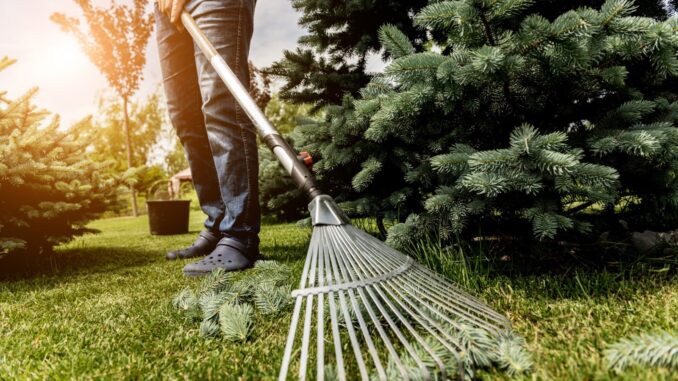
Once the ground has thawed and started to dry out, start by cleaning up any leaves and twigs that have accumulated over winter. Give your lawn a good rake to loosen up any dead grass and debris. This will help your lawn breathe, as well as reveal any hidden hibernating pests in weeds and branches. A few hidden spots to check are:
· The crowns of your perennial plants to check for any slugs and snails sheltering from winter.
· White-vine-weevil larvae (small, white, C-shaped grubs) live in compost and feed on plant roots including strawberries and raspberries.
Use a ready-to-use slug and snail killer to target common garden pests early. For soil-dwelling grubs like vine weevil larvae, consider applying a biological soil drench. These DIY pest control products are safe, effective, and ideal for spring prep—especially before planting begins.
To save you the trouble come spring and summer, it’s essential to check for these pests and dispose of debris properly to prevent any further infestations.
2. Clear out and reorganise your shed
Sheds can turn into the most cluttered space, as over winter, we often dump everything in there that doesn’t fit in the house. To make your spring gardening as easy as possible, take all the items out and do a full inventory of the tools you own.
Give everything a deep clean, sweep the floors, clean up spills and organise your tools. A tool chest is a great investment to stack your tools which will also protect them from collecting dust and debris. If you have some extra time, perhaps even give the inside of your shed a new layer of paint, for an extra touch of spring freshness.
3. Inspect, clean, and sharpen your tools
All garden tools need regular maintenance to ensure they last for years to come. Inspect your garden furniture and tools for any rust and damage and fix or replace any broken items. You can learn how to clean garden tools to make them more efficient and save you money from re-purchasing.
Start off by removing any excess dirt from your tools using a wire brush or a dry cloth. This will make it easier to see any rust or other damage. Once you’ve removed the dirt, you can then sharpen your tools with a sharpening stone or a file, making sure to follow the existing angles.
After sharpening, give your tools a good clean and polish. Fill a bucket with warm water and dish soap and scrub them with a stiff-bristled brush for a thorough clean. Make sure to get into all the crevices and hard-to-reach areas. Store the tools in a dry place to prolong their life and avoid any corrosion, preferably in your garden shed or garage.
Jack’s top tip: Applying a light coat of oil or WD40 to blades and hinges can also help prevent rust.
4. Prune your plants
Pruning in spring allows for growth and helps to encourage more flowers, making March a great time to start. Make sure to remove dead or damaged branches carefully so you don’t harm the plant, causing it to lean or fall over. If a branch is too difficult to remove, consider cutting it off rather than risking damaging the plant.
However, while it’s important to prune for the health of your plants, it’s also important to know what to prune and when. Pruning at the wrong time of year can damage plants and delay their blooming. For example:
· Azaleas: Wait until late spring or summer to prune
· Honeysuckle: Prune in late spring
· Lilacs: Prune in late spring or early summer
5. Fertilise your lawn
Wake up your winter lawn by fertilising your garden to prepare for a successful growing season in spring. Your lawn will benefit from extra nutrition, creating healthy growth and a lush, green appearance. Don’t fertilise your lawn too often; a full feeding is recommended at least 5-6 times per year, so make sure to leave about two months between applications.
To discover more useful information about looking after your garden, head to Power Sheds’ Sheducation hub.
