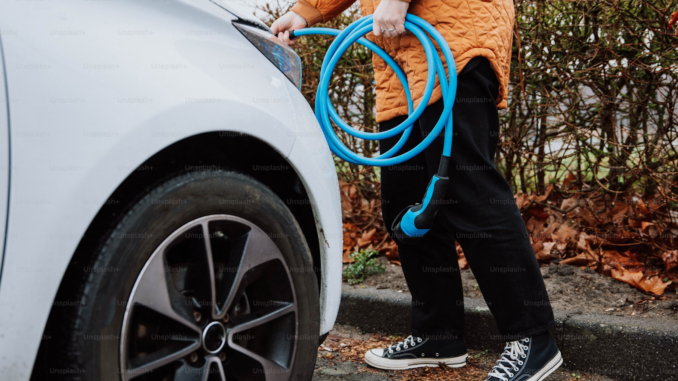
New research from Dick Lovett reveals that drivers could save as much as £1,800 in running costs EACH YEAR by switching to an EV as petrol prices hit their highest levels since last November.
It’s estimated that drivers in the UK spend an average of £1,400+ each year on fuel, and over the past five years, petrol prices have risen by an astounding 10.7%, and diesel by 6.5%.
Conversely, between 1st April and 30th June 2024, the Energy Price Cap (£1,690) has been lowered by £238 for the average household than the previous cap set from 1st January to 31st March 2024 (£1,928).
While rising fuel prices seem uncapped, Dick Lovett can reveal the 12% drop in the Energy Price Cap now means it’s now cheaper for drivers to charge their car an EV at home on an EV-specific energy tariff – which providers including British Gas and Octopus Energy offer – than filling up on fuel.
The research found that drivers making the switch from a petrol car to an EV could save approximately £1,330 a year or £110 a month by charging at home on an EV tariff. That’s more than half the average person spends on food (£2,328) in a year.
Similarly, drivers moving from a diesel car to an EV could save approximately £1,200 a year or £100 a month.
Dick Lovett found that SUV drivers would make the most significant savings by switching to an EV equivalent, with almost £1,800 (£1,787) a year or around £150 a month, alongside a considerable reduction in SUV emissions.
Alongside the purchase and fuel cost savings, switching to an EV means drivers can save on other running costs, such as not needing to pay congestion charges and savings on repairs and servicing your car since EVs have fewer moving items that are prone to wear and tear.
Furthermore, electric company car users can enjoy a 2% BIK (Benefit in Kind) tax rate, which is significantly less than petrol or diesel equivalents.
How much cheaper is charging at home vs public EV charging?
Alongside the fuel and at-home charging comparisons, Dick Lovett’s research found that electric car drivers could save anywhere between £1,000 to £1,535 per year by charging their car at home instead of using a public charging point – which, for a family of four, would cover over two month’s worth of food shopping.
If drivers can’t access or install a home charger for an EV, they could still save as much as £775 for every 10,000 miles they travel by sticking to slower chargers and only saving the rapid chargers for long drives, and emergencies.
And, while EV public charging is significantly more expensive than at-home charging, the research found drivers could still save between £188 to £273 a year by charging their EV at a slow public charger rather than having a fuel-powered car.
Scott Martin, Group Electric Vehicle Specialist at Dick Lovett comments: “With the cost-of-living crisis a concern for our customers, we’re committed to finding ways to lower the running costs of the cars we sell.
“Our research found drivers can save a significant amount of money each month by switching to an EV and charging at home, which also appeals to car brands under pressure from the Government to promote electric cars for environmental benefits.
“Going electric is the only way to escape the spiral of rising fuel prices and control car costs. At Dick Lovett, our team is dedicated to delivering the best personal service by communicating and researching vital cost-saving information about vehicles that builds lifelong relationships, resulting in many of our customers coming back to us year after year.”
To view the full results of Dick Lovett’s research and read more about how they did their calculations, please visit: https://www.dicklovett.co.uk/news/cost-of-electric-cars-vs-fuel
