The Redwall series is a brilliant collection of books written by Liverpudlian author Brian Jacques. The stories follow the lives of anthropomorphised (the attribution of human characteristics) animal characters ranging from mice, ferrets, rats, badgers, moles to rabbits, hares and many more. It’s a fantastical world of daring and adventure that can entertain children of all ages. The Redwall series is particularly noted for its humour, inclusion of more adult themes, and for embracing equal rights amongst its myriad of characters. For instance, female characters regularly play a more prominent role than males.
Jacques sadly passed away in February 2011 aged 71. Despite selling over 22 million copies worldwide, as well as being translated into 28 different languages, he was a humble man who lived a quiet life with no excesses. Here I’d like to celebrate his work and, hopefully, encourage a new generation of children to take up his novels. So, why should they do that?
Vivid Imagination, Charm, and Wit

The Redwall books are particularly renowned for their sense of humour and wit. The relentless sense of adventure and the energy in the plots really power everything along and draw you in, whilst the variation in the characters is particularly appealing. Each Redwall novel has strong moral values and these characters offer children a good understanding of what it is to be honest, humble, introverted, extroverted, or brave in the face of adversity. They’re also terrific entertainment, and would be particular suitable for young boys keen to embrace a sense of gung-ho adventure.
The drama!

The Redwall books don’t shy away from more adult themes; villains populate the series and the protagonists have a difficult time dealing with them. Loved ones are lost and themes such as crime and death and handled with aplomb by Jacques. It’s also deeply about equal opportunities; female characters in the series are every bit as brave or antagonistic as their male counterparts. Mariel of Redwall in particular became an icon for fans of the books.
Moral Teachings

Reading any book from the series is a lesson in sound moral values. Any young person can acquire a great deal from these stories, a random example being the virtue of generosity to others. One of the most important lessons, as already mentioned, is how female characters are shown to be autonomous and free-willed. Male characters do not patronise or belittle; everyone in the “good” moral arena of the Redwall world is equal. Intelligence is rewarded, as are attempts to improve oneself, and bravery and fortitude are seen as noble. Perhaps it’s slightly too idealised a vision, but Jacques’ protagonists are witty and charming characters who offer plenty of enviable traits.
The villains (the “vermin” of real life human society we also have to deal with daily!) become the central antagonists in the series. Rats, ferrets, foxes, stoats, wolves and lizards prove to be despotic and untrustworthy, yet it’s not their appearance or their lack of intelligence which forces them to repeatedly bicker and fight; it’s down to their inability to cooperate. Belligerence and a lack of morals bring about their regular demise. If there’s one thing Redwall promotes it is working as a team for the collective good of everyone, and this is reflected by a number of vermin characters who embrace Redwall’s way of life. This is pacifism, effectively, but with rabbits and mice instead of John Lennon.
The Scale of the Series
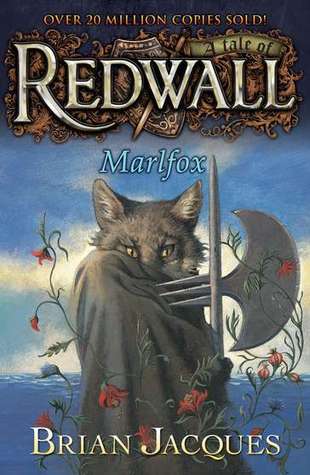
Jacques wrote 22 full novels in 25 years. Although there is a chronological order it doesn’t matter where you start as they largely cover a different time span in the Redwall world. Due to this they often don’t relate to each other, although the history of Redwall is often discussed in the books and previous heroes and incidents are regularly recalled. For any young reader this is an epic, and thrilling, journey I can’t recommend enough.
And finally…

A conclusive note here. It’s a wonderful series and offers children a different type of novel than the Harry Potter of this world. Redwall should particularly appeal to boys; I certainly loved it and re-read the series relentlessly from age 9 up to 15. As a nostalgic treat I intend to read one of the books again when I get older and immerse myself back into this wonderful fantasy world. There’s no reason why this generation of children shouldn’t do the same.
