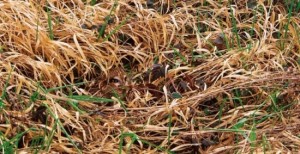
The art of camouflage is a valuable skill anybody could benefit from learning. You may instantly think of military personnel or hunters, but there are other ways camouflage techniques can come in handy. Hunters have recognized the value of being able to hide themselves from their prey, which can make the difference between eating and going hungry. In a survival situation, that is most definitely a tool one would want to have.
However, nature enthusiasts, especially photographers and wildlife management personnel can also benefit from learning how to camouflage themselves. How awesome would it be to get close enough to an animal to watch and photograph it in its natural state? Knowing how to effectively camouflage yourself would be also great for playing hide and seek for the little kids and paintball for the bigger kids and adults.
Now, before you rush out to your nearest outdoor store and drop a bunch of money on camouflage gear, read this first. It may seem like the skill is pretty easy with all the gear available today, but alas, there are still some things you need to know before you attempt to creep up on a wild animal. Not all camouflage materials are created the same. Some are most definitely better than others, but they still need a little extra from you to become truly camouflaged.
The trick is buying the right gear for your area. The woods in Kentucky may not be the same as the woods in Idaho. There is no one size fits all. It is up to you to add the necessary components to your gear to truly fade into the environment.
Check out this video to see what I am talking about in regard to the different camouflage styles. Basically, the best camo is often the “messiest” looking. The trick is to NOT look uniform. Take a look around nature. Are there any patterns in the foliage or other surroundings? No. Therefore choose camo that will easily blend.
You will also see in the video how to add a few enhancements to create a bit of a 3D effect. Leaves, sticks or other foliage scattered around help hide the obvious. Now, you can take a few seconds to do this, or really take your time (if you have it) to create a scene that would be hard for people or animals to see.
Craig Caudill is a nature enthusiast who tests emergency kits for Dan’s Depot and teaches at his Nature Reliance School.
