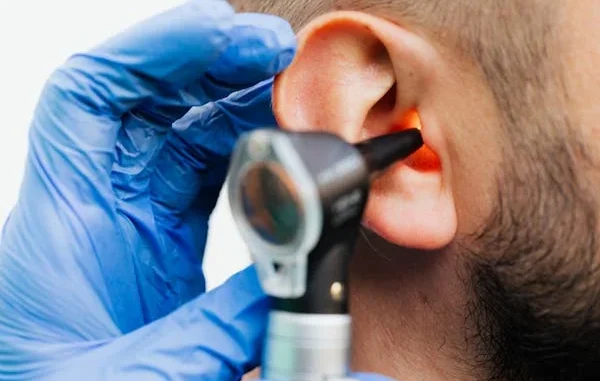
Ear infections are a real problem, and whilst many assume they mostly impact children, adults can also suffer from infections – often finding the experience a painful one.
In fact, famous singer Adele recently opened up about dealing with an ear infection which she called “worse than childbirth”.
For those wanting to have a better understanding of ear infections, audiologist and ear health expert at Boots Hearingcare, Hannah Samuels, shares what they actually are and the steps you take to treat one.
Commenting on how they occur in the first place, Hannah shares: “An ear infection occurs when there’s a blockage or swelling in the eustachian tube which leads to fluid building up in the middle ear. There are many different factors that can cause this, including smoking, a cold, allergies, air pressure fluctuation, excess mucus, and sinus infections.”
She adds: “Whilst some ear infections aren’t necessarily preventable, such as those caused by other illnesses, there are ways to reduce the risk of an infection caused by external factors. For example, avoid sticking anything in your ear – this includes cotton buds. However, do use earplugs when you swim to avoid any water entering the ear canal.”
According to Hannah, the main symptoms to look out for include: “ear pain (this can occur both inside and outside the ear), swelling, tenderness, hearing loss, nausea and vomiting, headaches, discharge from the ear, and a feeling of pressure in the ear.
“You won’t necessarily experience all of these symptoms, as it’s different for everyone, but any of these could be a sign that you have an ear infection.”
For those looking to treat an ear infection, Hannah shares 4 steps to follow:
- Speak to a medical professional
“Whilst the best course of action if you’re experiencing a nasty ear infection is to speak to your GP, there are some home remedies that can help ease the pain and symptoms to make it a little less uncomfortable.
- Try drying out your ear
“As ear infections are caused by fluid sitting in the middle ear, you can help dry any unwanted liquid by using a hair dryer near the affected ear (yes, really!) This will particularly help avoid any further liquid entering, e.g. after a bath, and also reduce any discharge. If you are trying this method, it’s important to use a low heat and be really gentle to ensure you don’t cause further damage.
- Relieve pressure with gentle movements
“Another technique to help relieve pressure in the ear is by doing light neck exercises and rotations. Just remember to make each movement slowly, rotating your head and neck both ways without straining too hard.
- Try over-the-counter medication
“There are also over-the-counter pain relievers that will help if you’re experiencing particularly nasty symptoms. Ibuprofen and paracetamol can reduce any pain you’re feeling – however the impact of medication will vary for everyone depending on your medical history, so it’s always advisable to speak to your GP, and stick to the recommended dosage on the packaging.”
