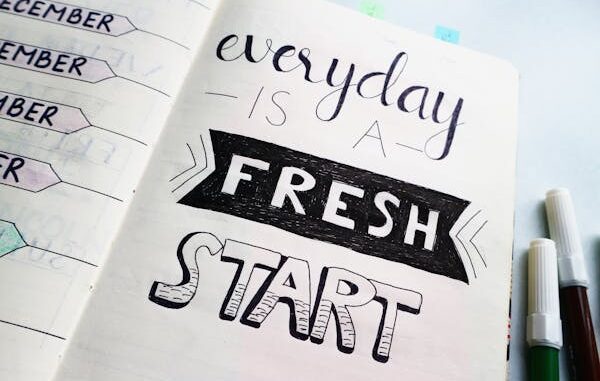
Three weeks into 2025, the shine of ambitious New Year’s resolutions might already be wearing off. It’s easy to fall into the trap of thinking that reclaiming control over your life requires an all-or-nothing approach, some people may be struggling to achieve any of their goals.
This ‘all-in’ mindset can lead to us being overwhelmed rather than empowered. In fact, approximately 80% of Brits abandon their New Year’s resolution by February.
So to help us get back on track, experts at Prep Kitchen have shared their advice on embracing manageable, subtle changes that can help us take control, avoid burnout, and, most importantly, maintain steady momentum throughout the year.
“It’s around this time that the initial surge of motivation begins to wane, and life’s demands start creeping back in. This can leave us feeling overwhelmed and discouraged,” said Kerry Beeson, Nutritional Therapist (BSc) at Prep Kitchen. “When life feels chaotic, less is more. Micro-changes – those little wins – make us feel empowered and help to build a solid foundation for more permanent changes, enabling us to regain control and get back on track to achieve our long-term goals.”
Why small wins matter
“The pressure to transform everything overnight is unrealistic and overwhelming,” said Kerry. “Instead of chasing perfection, focus on progress. Small, meaningful actions done consistently are what create long-term success.”
When we set goals that feel too ambitious or vague, like “eat healthier” or “be more productive”, we’re setting ourselves up for burnout or frustration. By breaking goals into smaller, actionable steps, you give yourself the chance to succeed and feel motivated to keep going.
With this in mind, Prep Kitchen has shared tips for small, subtle shifts that are easier to sustain and have more long-term impact:
- Simplify your goals
If your resolutions feel like they’re slipping, it’s time to simplify. Instead of trying to do it all, choose one or two priorities for the next month. For example, if ‘be more organised’ feels too broad, narrow it down to ‘tidy my home office every Friday.’
“Small, specific goals are easier to track and celebrate,” Kerry advises. “And every time you achieve one, it reinforces your confidence to tackle the next.”
- Focus on mini-habits
Instead of overhauling your routine, focus on one or two micro-changes that fit seamlessly into your day. For example:
Commit to 10 minutes of exercise in the morning instead of aiming for an hour-long workout. Once this becomes a habit, you can build on it further.
“Micro-habits are approachable and don’t feel overwhelming,” says Kerry. “When you achieve them consistently, they give you a sense of accomplishment and build momentum.”
- Fuel yourself
It’s impossible to focus on daily tasks if you aren’t properly fueling your body with nutrients. One of the simplest ways to take back control is through meal prep or signing up for a meal prep service. It’s not just about saving time; it’s about fueling yourself up for success.
“Meal prepping isn’t just about the food—it’s about peace of mind,” explains Kerry. “By prepping ahead, you reduce decision fatigue, make healthier choices, and feel more in control of your week.”
When it comes to time saving, a study of 1,000 Brits found they’ll spend 60 minutes a week grocery shopping, 64 minutes preparing meals and 324 minutes a week cooking. Over the average adult lifetime, this means a total of 23,370 hours – or 1,015 full days – is spent shopping, preparing or cooking meals.
- Build in rest and recovery
By this time in January, it’s easy to push yourself too hard trying to stick to new habits, only to burn out before February. The key to avoiding this is embracing the power of rest.
“Rest is not a reward; it’s a necessity,” Kerry reminds us. “Whether it’s a 10-minute walk outside, a quick meditation, or simply stepping away from your screen, these moments recharge your energy and prevent overwhelm.”
- Celebrate the small wins
It’s easy to get so focused on the end goal that we forget to celebrate progress along the way. Reflecting on small achievements – like prepping lunches for three days or completing your morning stretch – reminds you that you’re moving in the right direction.
“Celebrating small wins isn’t just motivational; it’s essential,” says Kerry. “It shifts your mindset from feeling like you’re failing to recognise how far you’ve come.”
Celebrate small victories by doing something you love that doesn’t compromise your goals, such as an hour of ‘me-time’ in a candlelit bath; a new book or magazine, a walk listening to your favourite music; treat yourself to some health or beauty products, a relaxing spa or massage treatment, or a catch-up with a good friend.
- Stay Flexible
“Life is unpredictable, so allow yourself some flexibility. Adjust your plan as needed, but ensure your choices continue to support your overall health, and always look at the bigger picture”
Kerry emphasises, “For most, December is all about indulgence, then we want to make a dramatic change in January and start the year with, often extreme, health and fitness goals. This doesn’t always fit in with life’s ups and downs, so if circumstances get in the way, don’t give up altogether – it’s better to make just one positive achievable change than none at all. Allow yourself flexibility and do what suits you best – some people do better if they phase in changes gradually, whereas others prefer to go all-in from the start. Focus on the whole – if your goals are focused on physical health, it’s still important to support your mental wellbeing too. You have to nourish all aspects of your life so for continued motivation, it’s OK to relax occasionally and enjoy special occasions or allow yourself the odd sweet treat.
For more information on how you can get a balanced diet through the help of meal prep, please visit: https://prepkitchen.co.uk/
