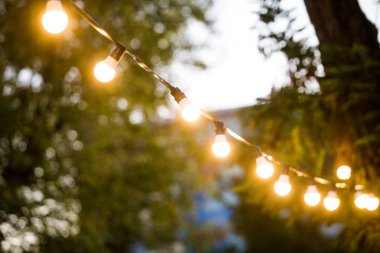
Brits decking out their gardens for summer could be risking serious safety hazards – as some products aren’t built to withstand the elements.
Lighting experts at LightingLegends.com have warned that while many outdoor lights claim to be weatherproof, not all can handle sudden summer storms or high humidity.
From garden string lights to wall-mounted fixtures, faulty or poorly rated lights could lead to electric shocks, fires, and expensive repairs.
But there are simple ways to avoid the dangers, and the key is checking the IP (Ingress Protection) rating, which tells you how well the lights are protected from dust and water.
For outdoor use, you should look for a minimum rating of IP44, but if your lights are exposed to heavy rain or moisture, aim for a higher rating, like IP65 or more. A higher rating means better protection against the elements and a safer garden.
It’s also crucial to inspect the seals and fittings of your outdoor lights as cracks, loose seals, or damaged parts can allow water to seep in, leading to electrical faults or even fires.
Jon Saeed, managing director of Lighting Legends commented: “We see a lot of homeowners investing in outdoor lighting to transform their gardens at this time of year, but many overlook the importance of choosing the right products.
“Not all lights labelled ‘outdoor safe’ are built to handle extreme weather. An IP rating of IP44 might be fine for sheltered areas, but for exposed spaces or those prone to heavy rain, we always recommend IP65 or higher.
“It’s also vital to inspect lights for wear and tear – cracked seals, loose fittings, and exposed wiring can quickly turn a decorative feature into a serious safety hazard.
“Taking these precautions can prevent costly damage and keep your home safe throughout the summer months.”
Three ways to check outdoor lights are actually weatherproof:
- IP Rating
Look for an IP (Ingress Protection) rating. The first digit indicates protection against solid objects, while the second digit indicates protection against water. For outdoor use, a minimum rating of IP44 is recommended, but for areas exposed to heavy rain or potential submersion, IP65 or higher is ideal.
- Seals and fittings
Even the most weather-resistant lights can become hazardous if their seals and fittings are compromised. Over time, seals can crack, and fittings can loosen, allowing water to seep into electrical components. Check all connections for signs of wear, including cracked rubber gaskets, rusted screws, or exposed wires. Pay special attention to older lights or those that have been relocated, as movement can weaken seals. If any signs of damage are detected, it’s best to replace the affected parts or consult a qualified electrician for repairs.
- Manufacturer’s guidelines
Many outdoor lighting products come with specific installation and maintenance instructions that are crucial to their safety and longevity. Always follow these guidelines closely – especially when it comes to wiring and mounting. Ensure that all cables are securely insulated and shielded from moisture, using waterproof junction boxes where necessary. Avoid overloading circuits with multiple lights, and consider using outdoor-rated extension leads and plugs designed to withstand wet conditions.
