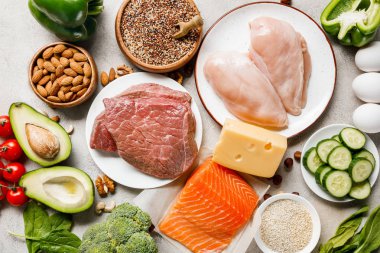
The optimal daily protein intake is a crucial aspect of a healthy diet, influencing everything from muscle mass and bone health to weight management. While a general guideline exists, your specific needs can vary significantly based on factors like age, activity level, and personal health goals.
How much protein do I need?
The General Guideline: The RDA
For the average sedentary adult, the Recommended Dietary Allowance (RDA) for protein is 0.8 grams of protein per kilogram of body weight. To calculate your RDA, you can multiply your weight in kilograms by 0.8. For example, a person weighing 70 kilograms (approximately 154 pounds) would need about 56 grams of protein per day.
This RDA is considered the minimum amount necessary to meet the basic nutritional requirements and prevent protein deficiency in most healthy individuals.
Beyond the Basics: Tailoring Your Protein Intake
To answer how much protein do I need you need to look at what your daily protein goals are that need to be increased with physical activity and can be adjusted to support specific goals:
- For Active Individuals: If you are regularly physically active, your protein requirements are higher to help repair and build muscle tissue.
- Moderately Active: Individuals who engage in moderate-intensity exercise should aim for 1.2 to 1.7 grams of protein per kilogram of body weight.
- Very Active: Those who participate in vigorous training, such as heavy weightlifting or endurance sports, may need 1.6 to 2.2 grams of protein per kilogram of body weight.
- For Muscle Gain: To effectively build muscle mass, a higher protein intake is essential. The general recommendation for muscle hypertrophy is between 1.6 and 2.2 grams of protein per kilogram of body weight. Consuming protein throughout the day, especially after workouts, can optimize muscle protein synthesis.
- For Weight Loss: A higher protein diet can be a valuable tool for weight management. Protein can increase feelings of fullness, boost metabolism, and help preserve lean muscle mass during calorie restriction. For weight loss, a range of 1.2 to 1.6 grams of protein per kilogram of body weight is often recommended.
- For Older Adults: As we age, our bodies become less efficient at using protein, a phenomenon known as anabolic resistance. To counteract age-related muscle loss (sarcopenia) and maintain strength and function, older adults may benefit from a higher protein intake. It is often suggested that individuals over the age of 65 consume 1.0 to 1.2 grams of protein per kilogram of body weight.
Meeting Your Protein Needs Through Diet
A variety of foods can help you meet your daily protein targets and help with your question about how much protein do I need. Excellent sources include:
- Animal-based proteins: Lean meats, poultry, fish, eggs, and dairy products like milk, yogurt, and cheese.
- Plant-based proteins: Legumes (beans, lentils, chickpeas), soy products (tofu, edamame), nuts, seeds, and whole grains.
By incorporating a mix of these protein-rich foods into your meals and snacks, you can ensure you are providing your body with the essential building blocks it needs to thrive. If you have specific health conditions or dietary restrictions, consulting with a healthcare professional or a registered dietitian can help you determine the most appropriate protein intake for your individual needs.
Of course. Here is a sample one-day meal plan designed for an active individual aiming for a higher protein intake, around 120-150 grams per day. This is a general guide, and portion sizes can be adjusted based on your specific calorie and protein needs.
This plan focuses on whole foods and a balanced intake of macronutrients.
How much protein do I need? An Ideal High-Protein Daily Meal Plan
Breakfast: Greek Yogurt Power Bowl
- Time: 7:30 AM
- Why it’s ideal: This breakfast is packed with protein from Greek yogurt and nuts, providing sustained energy and promoting muscle repair. The berries offer essential vitamins and antioxidants.
- Ingredients:
- 200g (about 1 cup) of full-fat Greek yogurt
- 30g (a small handful) of mixed nuts (almonds, walnuts)
- 100g (about 3/4 cup) of mixed berries (fresh or frozen)
- 1 tablespoon of chia seeds
- Approximate Protein: 25-30g
Lunch: Grilled Chicken Salad with Quinoa
- Time: 12:30 PM
- Why it’s ideal: A light yet satisfying lunch that delivers a significant protein punch from the chicken and quinoa. The abundance of vegetables ensures a good intake of fiber and micronutrients.
- Ingredients:
- 150g (about the size of your palm) of grilled chicken breast, sliced
- 100g (about 1/2 cup, cooked) of quinoa
- A generous portion of mixed greens (spinach, rocket, lettuce)
- Cherry tomatoes, cucumber, and bell peppers
- A light vinaigrette dressing made with olive oil and lemon juice
- Approximate Protein: 40-45g
Snack 1: Apple Slices with Peanut Butter
- Time: 3:30 PM
- Why it’s ideal: This snack is a perfect combination of fiber from the apple and protein and healthy fats from the peanut butter, helping to curb afternoon hunger pangs.
- Ingredients:
- 1 medium apple, sliced
- 2 tablespoons of natural peanut butter
- Approximate Protein: 8-10g
Dinner: Salmon with Roasted Vegetables and Sweet Potato
- Time: 7:00 PM
- Why it’s ideal: Salmon is an excellent source of high-quality protein and omega-3 fatty acids, which are beneficial for heart and brain health. Roasted vegetables and sweet potato provide complex carbohydrates for energy and fiber.
- Ingredients:
- 150g fillet of salmon
- 1 large sweet potato, cubed and roasted
- A medley of roasted vegetables (broccoli, Brussels sprouts, carrots) tossed in a little olive oil, salt, and pepper.
- Approximate Protein: 35-40g
Snack 2 (Optional): Casein Protein Shake or Cottage Cheese
- Time: 9:00 PM
- Why it’s ideal: A slow-digesting protein source like casein or cottage cheese before bed can help with muscle recovery and repair overnight.
- Ingredients:
- Option A: 1 scoop of casein protein powder mixed with water or milk.
- Option B: 150g (about 2/3 cup) of low-fat cottage cheese.
- Approximate Protein: 20-25g
Total Estimated Protein for the Day: 128 – 150g
Important Considerations:
- Hydration: Remember to drink plenty of water throughout the day.
- Customisation: This is a template. You can swap out the protein sources (e.g., chicken for turkey, salmon for cod, Greek yogurt for a plant-based alternative with added protein powder) and vegetables based on your preferences.
- Your Needs: Your ideal protein intake depends on your body weight, activity level, and goals. You may need to adjust portion sizes to meet your individual targets. For a more personalized plan, consider consulting a registered dietitian or nutritionist.