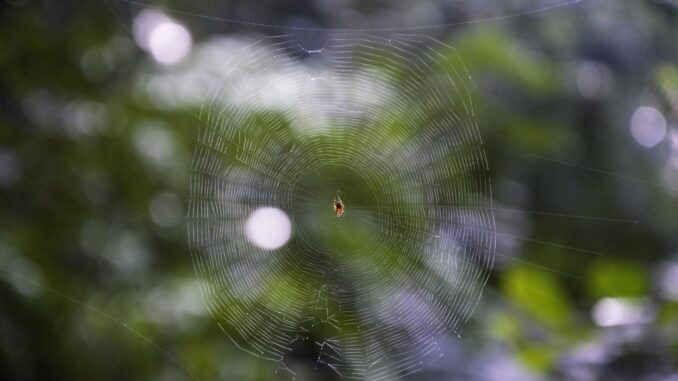
As the nights are starting to get darker, and the days cooler, many UK households may be noticing that more eight-legged visitors are making their way indoors.
During September and October, spider sightings peak as they seek warmth and shelter, often sneaking through tiny gaps around our windows and doors.
The surge in sightings is reflected online too with Google Trends data showing that searches for “how to get rid of spiders” have rocketed by 1,500% across the UK in the past month alone, as households brace themselves for the annual influx of the dreaded creepy crawlies.
To help prevent spiders from entering the home, window fitting specialist Geoff Clarkson at Express Bi-Folding Doors has shared simple and eco-friendly hacks to spider proof your home this autumn, so homeowners can enjoy cosy autumn evenings without unwanted creepy crawlies.
Top tips to stop spiders coming into your home:
- The peppermint tea trick
Spiders have highly sensitive sensory hairs that pick up strong scents, and peppermint is one they particularly dislike. Brew a peppermint tea bag, allow it to cool completely, then pour the liquid into a spray bottle with a little water. Spritz this solution around door frames, windowsills, skirting boards and any corners of rooms where spiders tend to lurk.
For best results, reapply every few days, as the scent fades over time. Used tea bags can also be placed in cupboards, on windowsills or near doorways as a longer-lasting natural repellent. With tea bags costing as little as 10p each, it’s a wonderfully cheap, chemical-free and pet-friendly way to keep spiders away.
- Seal any gaps
Spiders only need a gap the width of a few millimetres to squeeze indoors, so checking for cracks, gaps or loose fittings around doors and windows is one of the most effective long-term solutions. A tube of silicone or acrylic caulk from any DIY shop will fill small cracks in frames, skirting boards and brickwork, while draught excluders are an easy fix for gaps under external doors.
It’s worth paying particular attention to bi-folding and sliding doors, where tracks and thresholds can wear over time and create tiny openings. Checking and maintaining seals here doesn’t just keep spiders out, it helps keep the heat in too, a welcome bonus as energy bills climb through autumn and winter.
- Keep your home tidy
Spiders are drawn to cluttered, undisturbed spaces where they can build webs in peace, so a bit of regular tidying goes a long way. Vacuuming corners, skirting boards and ceiling edges, dusting behind furniture, and clearing away piles of clothes, boxes or newspapers all reduce the number of hiding spots on offer.
It’s also worth decluttering garages, sheds and utility rooms, as these are often the first point of entry before spiders make their way further into the home. Removing webs as soon as they appear sends a clear signal that your home isn’t a welcoming place to settle.
- Use natural scents
As well as peppermint, spiders are known to dislike the smell of citrus, eucalyptus, lavender and even cinnamon. Place citrus peels along windowsills, or dab a drop of essential oil onto cotton pads and position them near doors, windows and other potential entry points.
Growing lavender near entrances, or keeping a diffuser going with these scents indoors, can offer a longer-lasting deterrent while also making the home smell wonderful. As with the peppermint spray, natural scent methods will need refreshing every few days to stay effective.
- Be mindful of outdoor lighting
Spiders aren’t drawn to light themselves, but the insects they feed on are, and where the insects go, the spiders follow. Positioning outdoor lights, such as porch lamps or garden spotlights, away from doors and windows can help reduce the number of insects, and in turn spiders, congregating right at your entry points.
If moving the light isn’t an option, switching to a warmer-toned bulb can make a difference, as insects are typically less attracted to warm light than to bright white or blue-toned light.
Photo by Сергей ЮССтудия: https://www.pexels.com/photo/detailed-spider-web-with-dew-outdoors-33048323/

Leave a Reply