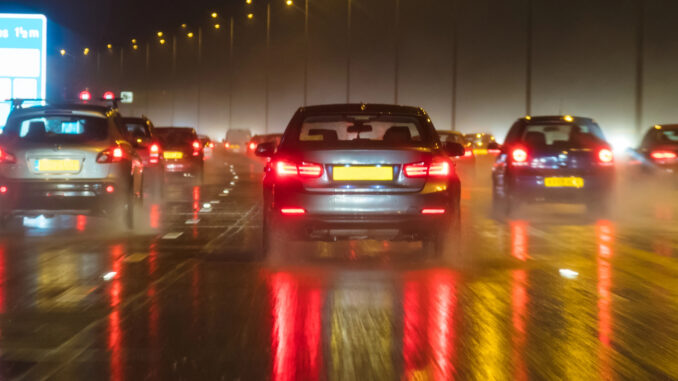
With the clocks going back on Sunday (26th October) and the nights drawing in, drivers will face darker roads and shorter days, making safety more important than ever. To explore how these changes affect motorists, temporary car insurance experts Tempcover surveyed 2,000 UK drivers about their confidence, worries, and habits when driving in the dark.
Darker Nights Shake Confidence for Almost Half of Drivers
With the clocks going back this weekend, 45% of UK drivers say the darker evenings will affect their confidence behind the wheel. When asked about their concerns about driving at night, headlight glare from other cars topped the list (56%), followed by reduced visibility (47%) and poorly lit roads (44%). Nearly one in six drivers (15%) also cited difficulty seeing due to eyesight issues in the dark. Drivers who don’t tell the DVLA about a medical condition affecting their sight could face a fine of up to £1,000.
Concerns About Driving in the Dark
| Concerns About Driving in the Dark | Percentage of Respondents |
| Headlight glare from other cars | 56% |
| Reduced visibility | 47% |
| Poorly lit roads | 44% |
| Driving in wintry nights / adverse weather conditions | 41% |
| Concerns about other drivers’ behaviour | 32% |
| Fear of hitting wildlife | 20% |
| Feeling more tired in the evenings | 16% |
| Difficulty seeing due to eyesight issues in the dark | 15% |
| Fear of the dark | 10% |
The darker evenings aren’t just affecting confidence, they’re changing behaviour too. Over one in three drivers (35%) admit they have avoided a journey specifically because it would involve driving in the dark.
Top Tips for Safer Night-Time Driving:
To help motorists stay safe and confident on the roads when the clocks go back, Tempcover have compiled some essential tips for driving in darker evenings.
- Plan your route in advance – Familiarity with the journey can make driving at night less stressful. For shorter trips, consider a daytime practice run to build confidence. For longer journeys, stick to main roads with good lighting and plan safe stopping points along the way.
- Use technology wisely – Many modern cars come with safety features designed to boost confidence. Adaptive headlights, lane assist, and other driver aids can help, but it’s still important to remain alert and in control at all times.
- Take breaks if tired – Feeling more tired in the evenings is a concern for 16% of drivers when driving at night. For long journeys, plan regular rest stops and avoid driving if you feel drowsy. Even a short break can restore focus and help you feel safer behind the wheel.
- Check your lights – Make sure all headlights, brake lights, and indicators are working correctly. Dirty or broken lights can reduce brightness and visibility, so clean them regularly and replace any broken bulbs promptly, as driving with a broken headlight is illegal. Also, ensure your headlights are aimed correctly so they light up the road ahead without dazzling other drivers. If you’re unsure, most garages can check and adjust them for you.
- Share the drive if needed – If night driving feels daunting, consider asking a friend or family member to take the wheel. Temporary car insurance can cover additional drivers for anything from one hour up to 28 days, without the need for an annual policy. This provides peace of mind and makes night-time trips safer and less stressful.
