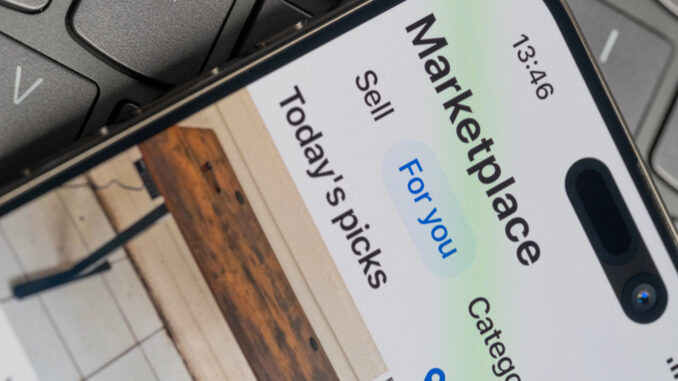
Buying Christmas gifts on Facebook Marketplace can be a great way to find unique presents and save money, and with the platform’s recent updates[1] giving it a real glow up, it’s easier than ever to discover festive bargains.
But with scammers getting more creative every year, it’s not always easy to tell what’s legitimate. Fraudsters can use fake listings, fake payment requests, or other clever tricks to target shoppers, so knowing how to spot suspicious activity is essential to keep your festive shopping safe.
Max Beckett, broadband expert at Uswitch Broadband, has shared his tips and answered common questions for staying safe when buying Christmas gifts on Facebook Marketplace:
“Facebook Marketplace can be a convenient way to buy and sell, but as an online platform, it also comes with cybersecurity risks. Scammers use sophisticated tactics to exploit users, so protecting your personal information and staying alert to suspicious activity is essential to maintain your online safety while using the marketplace”.
What’s the best way to protect myself?
“Scammers and fraudsters are experts at disguising fake payments and schemes as genuine ones, and millions of Brits fall victim to them each year. This is called phishing.
“Phishing is a common method fraudsters use to obtain people’s private information and payment details online. It involves using deceptive communications like scam messages to trick people into providing sensitive data. It’s a very similar practice to the nuisance calls from scammers that you might sometimes receive on your landline or mobile.
“If you are the victim of a phishing scam or have spotted a communication online that you think might be phishing, you can report it to the National Cyber Security Centre. Trust your instincts; if something feels wrong, it probably is. A genuine buyer or seller will never rush you or be offended if you take sensible precautions”.
How can I make sure I get paid when selling on Facebook Marketplace?
“Protecting yourself from online payment scams is crucial when selling on Facebook Marketplace. Always verify that the payment has fully cleared in your bank account before handing over your item – screenshots or payment notifications alone are not reliable proof. For local transactions, cash is the safest method as it eliminates the risk of digital fraud.
“If you accept digital payments, use secure and reputable platforms like PayPal, but remain vigilant to confirm the payment is legitimate and the buyer is trustworthy. Never accept cheques from unknown buyers as they can bounce, leaving you vulnerable to financial loss.
“Be alert to scam tactics such as buyers offering to use their own courier service – this is a common trick. And never share sensitive personal or financial information such as bank details, authentication codes, or payment links, as scammers can exploit these to access your accounts or steal funds”.
How can I tell if an item I’m buying is genuine?
“It’s important to verify the authenticity of items before committing to a purchase. Wherever possible, arrange to view the item in person, ideally in a safe, public place during daylight hours. Genuine listings usually include clear, high-quality photos and detailed, accurate descriptions. Be wary of prices that seem unusually low or ‘too good to be true’ – this is often a red flag for counterfeit or fraudulent goods”.
What warning signs should I watch out for?
“From an online safety perspective, scams often share a few red flags. These include newly created profiles with little to no history, sellers pushing to take conversations off Facebook Messenger, and high-pressure tactics to get you to make a quick decision.
“Moving the discussion away from Facebook can remove key safety protections and make it harder to report or recover your money if something goes wrong. For the safest experience, only communicate through Facebook Messenger, and ensure you’re dealing directly with the verified seller”.
Are there specific items I should avoid buying on Facebook Marketplace?
“Some product categories carry a higher online safety risk because they are commonly targeted by scammers. These include designer goods, electronics, event tickets, pets, and high-value collectables, or anything else typically associated with a high resale value. These items often attract fraud due to their desirability and price, so extra caution is advised”.
With the festive rush upon us, I thought your readers might find these tips handy for safe and stress-free gift hunting.
