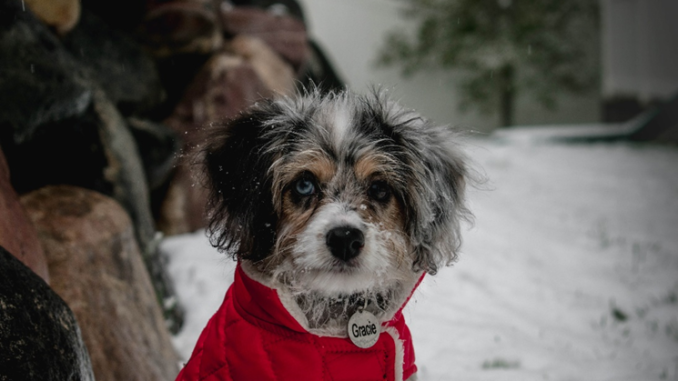
As the UK drops in temperature, according to the latest weather maps and warnings issued across the UK, we’re all layering up for colder walks with our dogs, but it’s important to also know how to look after your pooch during the chilly weather.
That’s why Canine Cottages has teamed up with Clinical Animal Behaviourist Rachel Rodgers MCs to advise the best ways to keep your pooch safe and warm in the colder weather. To also support owners navigating wintry conditions, Canine Cottages’ resident dog expert Dr Emma Scales-Theobald also outlines how to handle walks during storms and winter hikes safely.
According to Rachel: “The vast majority of pets in the UK are not regularly exposed to extreme temperatures and will therefore feel cold in sub-zero temperatures, so it is worth considering getting them a coat.
“Sadly, hypothermia (lower than normal body temperature) is very serious, and dogs can be at risk if they don’t get the right care.”
While the festive season brings plenty of opportunities for dog-friendly adventures, it also raises important questions about how to keep our four-legged friends safe from protecting them during sub-zero temperatures, to managing walks in extreme weather, and navigating winter hikes.
Assess your dogs’ lifestyle
Rachel explains that, ultimately, the impact that the cold weather has depends on the individual dog and their lifestyle: “Consider the temperatures they are used to and the conditions they’re regularly exposed to. Dogs that are used to icey or snowy conditions will probably manage well without a coat as they are acclimatised to these temperatures.
“However, many of our dogs are used to being snuggled up in the house with plenty of blankets, bedding and the heating switched on. This means that going out for normal length walks in sub-zero temperatures will be too cold for many pets.”
Which dogs are most at risk?
There are certain types of dogs that are most at risk of struggling in colder temperatures. Rachel explains: “Puppies in particular are not as good at regulating their body temperature and you need to be extra careful when taking them out in cold weather. You should also take extra care with smaller dogs and dogs with thinner coats or less body fat, such as greyhounds.
“In addition, older dogs or dogs with health conditions are also more at risk of suffering with hypothermia. The cold weather can aggravate conditions such as arthritis and cause flare ups of pain.”
What are the signs to look out for?
Rachel explains: “If your dog slows down on their walk, is cold to the touch, slows their breathing or worse, collapses during or after the walk, you must seek veterinary attention immediately. In these situations, the dog needs to be warmed up gradually, so hot water bottles and heat pads should not be used.
Protect their paws
When you’re out and about during the winter months, it’s likely that the ground will be covered with hidden nasties. Rachel advises: “You really need to clean your dog’s paws thoroughly after a walk when it’s cold outside as they may have walked through grit or de-icer which can be harmful. Be sure to use warm water rather than hot – you could even consider applying some paw balm which helps to heal and protect dry, cracked skin and keep you dog’s paws in good shape.”
“If you have to go out with your dog, keep walks brief to just allow them time to do their business, consider if a raincoat would make them feel more comfortable and try to stick to more built up and sheltered areas. You could also consider bringing treats if your dog looks anxious and go at your dog’s pace if they seem reluctant to go out or keen to go home.
Should you take your dog for a walk in extreme weather?
Extreme weather can pose high risks for both dogs and owners, however most breeds do need daily exercise. So, should owners take their dog for a walk in extreme weather? Dr Emma advises to assess the extremity of the temperature and weather first.
“If you have to go out with your dog, keep walks brief to just allow them time to do their business, consider if a raincoat would make them feel more comfortable and try to stick to more built up and sheltered areas. You could also consider bringing treats if your dog looks anxious and go at your dog’s pace if they seem reluctant to go out or keen to go home.”
Hiking with your dog in winter conditions
Cold weather can conceal signs of fatigue, so Dr Emma recommends resting every 30 minutes to an hour and watching for slowing down, heavy panting or attempts to lie down. Even in winter, hydration is crucial cold air and physical exertion can quickly dehydrate dogs. Shorter winter days also means planning hikes within daylight hours to avoid navigating icy paths in the dark.
Dr Emma encourages hikers to be aware of specific cold-weather issues, including:
- Hidden ice under leaves or snow, increasing the risk of slips for both you and your dog
- Cold injuries, such as dry, cracked paws making paw checks essential
- Contaminated or fast-flowing water, which can be dangerous for dogs that love to swim
- Sticky seeds and burrs in winter grasses, which can cling to fur and irritate skin
To read more about how to keep your dog safe, and to find some beautiful wintery walks, visit Canine Cottages’ blog here.
