Food poisoning cases serious enough to land people in hospital have surged by almost 90% in just five years, shocking new figures reveal.
Admissions have rocketed from 1,370 in 2020/21 to a staggering 2,567 in 2024/25, according to NHS England data obtained via a Freedom of Information request by kitchen experts at Prestige.
In total, more than 10,000 people have been hospitalised with suspected food poisoning over the past half-decade.
Alarmingly, the data shows the illness is hitting the most vulnerable hardest. Roughly one in three cases involves either young children or older adults – groups known to be more at risk of serious complications.
Children under five make up the single biggest age group, accounting for around 13% of all admissions. Meanwhile, people in their twenties also represent a similar share, suggesting even younger, otherwise healthy adults are not immune.
At the other end of the scale, adults aged 65 and over make up almost a quarter of all cases – highlighting the potentially dangerous impact of food poisoning later in life.
Overall, men accounted for just over half (51%) of hospital admissions, compared to 49% for women, with a small number identifying as another gender.
Olivia Disley from Prestige, who conducted the research, said: “Food poisoning can strike anyone at any age, and the effects can range from deeply unpleasant to genuinely serious.
“It only takes a small slip in kitchen hygiene for harmful bacteria to creep into our meals. Busy households, in particular, can be more at risk if food safety isn’t front of mind.
“The reality is, many cases are preventable. Simple habits around how we prepare, cook and store food can make a huge difference.
“This isn’t about scaring people, it’s about awareness. A few small changes can help keep the kitchen a safe place for everyone.”
The five simple kitchen mistakes that could make you seriously ill.
Wash hands thoroughly before and after handling food – especially raw meat, eggs or fish.
“Good hand hygiene is one of the simplest and most effective ways to prevent the spread of harmful bacteria in the kitchen. Before you start cooking, and after handling raw ingredients like meat, fish or eggs, wash your hands with warm water and soap for at least 20 seconds,” advised Olivia.
“Bacteria such as salmonella and E. coli can easily transfer from your hands to work surfaces, utensils or other foods. Proper handwashing helps stop cross-contamination and significantly reduces the risk of foodborne illness.”
Keep raw and cooked foods separate – use different chopping boards and utensils.
“Raw foods, particularly meat and poultry, can carry bacteria that are destroyed during cooking but dangerous if transferred to ready-to-eat foods. Always store raw meat separately in the fridge and avoid letting juices drip onto other foods.
“Using different chopping boards and utensils for raw and cooked foods can make a big difference. Colour-coded boards are a helpful way to keep things organised and reduce the risk of cross-contamination.”
Cook foods to safe temperatures – especially poultry and minced meats.
“Cooking food thoroughly is essential for killing harmful bacteria that may be present. Poultry, minced meat and dishes like burgers or sausages should always be cooked all the way through until piping hot, with no pink meat remaining.
“If you’re unsure whether food has reached a safe temperature, a food thermometer can help.”
Refrigerate promptly – don’t leave perishable foods out for too long.
“Perishable foods such as cooked meals, dairy products and leftovers should be refrigerated as soon as possible. Leaving food at room temperature for extended periods allows bacteria to multiply quickly.
“As a general rule, food shouldn’t be left out for more than two hours. Promptly storing food in the fridge helps keep it fresh and reduces the chance of harmful bacteria developing.”
Check use-by dates and trust your senses.
“Use-by dates are there to help ensure food is safe to eat, particularly for items like meat, fish and dairy products. Consuming food past its use-by date can increase the risk of food poisoning, even if it looks normal.
“If something smells unusual, has changed colour, or has an unexpected texture, it’s best to err on the side of caution. When in doubt, throwing it away is always the safer option.”
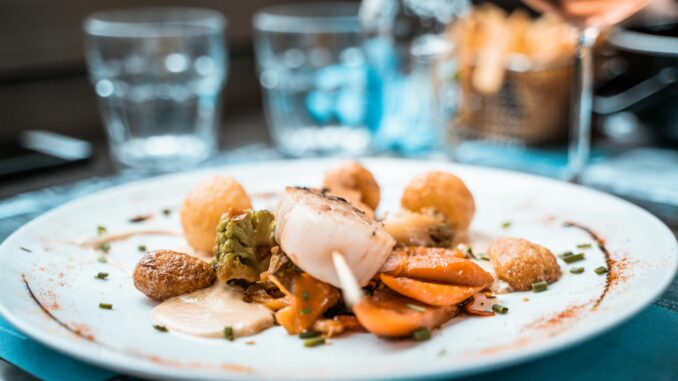
Photo by Bert Christiaens: https://www.pexels.com/photo/food-on-a-plate-5555878/
