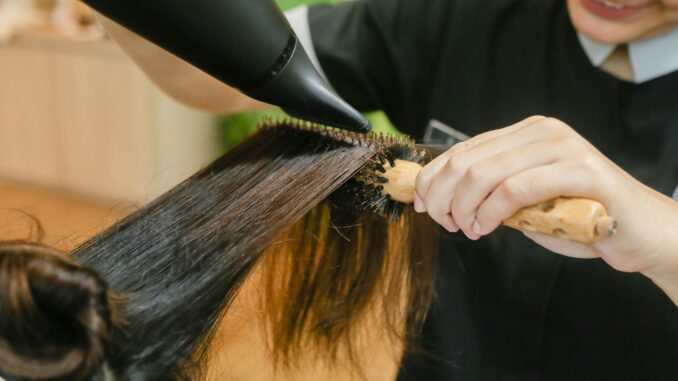
New research from Uswitch Business Energy, the comparison and switching service, reveals the key moments in the year when Brits are most likely to book a professional blow dry, with weddings, holidays and major celebrations driving significant spikes in salon demand and energy use.
With multiple high-powered tools and hot water use required for each blow dry appointment, even small increases in bookings can quickly drive up energy demand in salons.
The study asked consumers which occasions they’d be most likely to get their hair professionally styled for, ranking the top ten ‘Blow Dry Days’ of the calendar year. Weddings came out on top, with 27% of Brits saying they would get a blow dry for the occasion, followed by getting glam before going on holiday (20%) and preparing for a night out (18%).
Seasonal celebrations also feature heavily, with Christmas (16%) and New Year’s Eve (12%) both making the top five, alongside Valentine’s Day (10%).
Looking ahead to the summer, key events driving people out and about include bank holiday weekends (particularly the Early May and August holidays) as well as major occasions such as Wimbledon (Monday 29 June – Sunday 12 July) and the UK’s university graduation season, which typically runs from late June through July.
Top 10 ‘Blow Dry Days’ of 2026
- Attending a wedding
- Before going on holiday
- Night out with friends
- Christmas celebrations
- New Year’s Eve
- Valentine’s Day
- August Bank Holiday weekend
- Graduation
- Early May Bank Holiday weekend
- Wimbledon
Using industry benchmarks and salon owner insights, Uswitch has revealed the impact these peak days can have on energy consumption. A typical blow dry appointment is estimated to last around 45 minutes, with washing typically accounting for 10-15 minutes of this time, and multiple high-wattage tools used throughout, including hairdryers, straighteners and curling wands[1].
When scaled across a fully booked salon, energy usage can rise significantly on peak ‘Blow dry Days’, with total consumption estimated at 18.3 kWh per day on blow dries alone – the electricity equivalent of running a washing machine around 36 times in a single day[2], compared to 13.7 kWh on a typical day[3].
Usage during peak ‘Blow Dry Days’ can rise by as much as 34%, placing additional strain on energy consumption during already busy periods. While this surge may seem manageable in isolation, it can quickly accumulate over time, adding to the pressure on small salon owners who are already navigating tight overheads.
Ben Gallizzi, energy expert at Uswitch comments: “Busy periods such as wedding and party season don’t just mean more clients through the door – they can also mean higher energy use behind the scenes.
“With various styling tools running throughout the day, these peak moments can quickly add up in terms of electricity costs for salon owners. Being aware of when these spikes happen can help businesses better plan their energy usage and manage costs more effectively.”
Ben’s expert tips to help salons cut down on energy waste:
1. Reduce hot water use
Hot water can be one of the biggest energy drains in a salon, especially with frequent hair washing. Installing water-saving showerheads or flow restrictors can significantly reduce the amount of hot water used without affecting client experience. Be mindful of water flow, turning it off when not actively rinsing hair.
2. Run appliances efficiently
Towels and robes need consistent washing, so it’s important to use appliances such as washing machines and dryers as efficiently as possible. Always aim to wash full loads rather than running multiple smaller cycles, and make use of eco or low temperature settings where suitable. Running these appliances during off-peak hours can also help reduce energy costs and ease demand on the grid.
3. Keep equipment energy-efficient
Regular maintenance plays a big role in keeping energy use down. Make sure your salon boiler is serviced routinely so it runs at peak efficiency, and replace older equipment with newer models that have higher energy ratings where possible. Choosing tools with lower wattage can also help cut down on electricity usage over time.
4. Cut unnecessary power use
Small habits can make a big difference. Try to minimise heat styling time by working efficiently and only using high temperatures when completely necessary. Switch off and unplug tools such as straighteners or curlers when not in use, rather than leaving them on standby.
To keep costs low, make sure you’re on the right business energy tariff at Uswitch Business Energy.
Photo by Deni Priyo: https://www.pexels.com/photo/close-up-of-women-hairdressing-10028673/
