With searches for “wild gardens” up 50% in the last three months and over 700,000 people aged 16-29 now enjoying birdwatching, wild gardening is no longer niche, it’s a mainstream lifestyle shift.
While traditional manicured lawns and pristine patios have long been seen as the ideal, a growing number of homeowners are now embracing a more relaxed, naturalistic approach, according to a survey by luxury garden furniture company, Barker and Stonehouse
The survey shows that one in five Brits prefer a wild garden style, favouring informal designs filled with lush planting, meandering pathways, and spaces where nature can flourish freely. This growing trend shows a shift towards cultivating gardens that feel inviting, functional, and low-maintenance while providing a space that encourages biodiversity.
Speaking to Guy Jenkins, Consumer Manager at Johnsons Lawn Seed, Barker and Stonehouse shares how to encourage biodiversity in your wild garden that both you and the wildlife can enjoy.
- The best plants for encouraging wildlife
Guy explains, “Many insects prefer simple, flat flowers as they are easier to feed from. A sunny and sheltered position will offer ideal growing conditions where the scent and colour of the flowers can be easily detected by butterflies and bees.
“Herbs like lavender, thyme and oregano are very appealing to insects, alongside verbena and milkweed. People who are lucky enough to have a Buddleia in their garden will also know that these beautiful flowering bushes are an absolute feast for butterflies. Fruit trees, especially apple, are another important source of both nectar and pollen for bees as well as butterflies. If you look out for the RHS ‘Perfect for Pollinators’ logo, you can’t go wrong.
2. Cultivate your soil
Guys shares a common issue that many make, adding, “The mistake I see most often is when people simply scatter flower seeds on top of grass in the hope that something will somehow take root! You need to treat wildflower seeds in the same way you would any other flower, fruit or vegetable plant, and sow them in cultivated soil.
3. Small balcony tips for attracting wildlife
For those with smaller garden spaces or balconies, Guy recommends vertical gardens.
“Make the most of a smaller balcony or patio area with a vertical garden that uses a sturdy trellis or another upright structure that you can fix planters to. You can upcycle any sort of container (as long as it isn’t too heavy), for a boho-style vertical garden that will fill up with beautiful wildflowers throughout spring and summer.”
From an aesthetic standpoint, wild garden styles are often about letting your garden grow freely and working with the natural shapes and colours that form from the plants and materials.
Garden furniture advice for wild gardens
When it comes to furniture, seating, covers and surfaces should work with your garden and not against it, harmonising the spaces for you to sit and enjoy the outdoors and the greenery that surrounds them.
Head of Product and Displays at Barker and Stonehouse, Magdalena Gierasinska, shares her tips for incorporating garden furniture into your wild garden.
4. Integrate the right materials
Magdalena advises avoiding low-quality plastic furniture unless it’s specifically designed for outdoor durability.
She explains, “While plastic may seem convenient, continuous exposure to UV rays can cause it to fade, crack, or become brittle over time.
Instead, she suggests using oak as its rich, warm tones blend effortlessly with the organic textures of a wild garden, creating a sense of harmony with the surrounding greenery. Over time, these woods can develop a silvery-grey patina, which only enhances their rustic charm.”
5. Choose durability over convenience
Whilst rattan furniture is on trend this year, Magdalena warns it must be high quality.
“Avoid synthetic rattan or plastic furniture unless it’s specifically designed for outdoor durability. While these materials may seem convenient, they can fade, crack, or become brittle when exposed to changing weather conditions.
Additionally, their often uniform and artificial appearance can jar with the soft, natural shapes typical of a wild garden. Instead, consider investing in materials that will gracefully age alongside your outdoor space.”
6. Consider placement
A wild gardens boast a more natural, unkept look, but Lena says their design must still be well thought out.
“When placing furniture in a wild garden, consider tucking seating into hidden or partially secluded spots to create peaceful retreats. Positioning a bench beneath a tree canopy, a reading chair nestled within tall grasses, or a small table set behind climbing plants can offer a sense of discovery and tranquillity. These tucked-away spaces encourage moments of quiet reflection, allowing you to feel immersed in nature while still enjoying a comfortable place to unwind.”
7. Incorporate open and airy designs
Your garden furniture should seamlessly blend into your wild garden, says Magdalena, with nature being the focus.
“Choose furniture with open, airy designs that allow your garden to remain the focal point. Pieces with slender frames, woven details, or foldable designs can feel less imposing in a natural setting.
Lightweight benches, bistro sets, or moveable chairs also offer flexibility, letting you adapt your seating area to follow the sun, shade, or seasonal blooms without disturbing the garden’s delicate balance.”
8. Choose flexible furniture styling for hosting
There can still be space to host summer soirees in a wild garden, but Magdalena advises using light, flexible furniture that can be easily moved when not in use.
“To create a welcoming space for hosting in a wild garden, flexible furniture is also a great choice as it can adapt to gatherings without overwhelming the natural setting. Consider lightweight foldable chairs, stackable stools, or extendable tables that can be easily moved or expanded when needed.
For hosting, position seating in natural clearings or on gravelled areas to avoid damaging plants and use soft furnishings like outdoor cushions or blankets in earthy tones to enhance comfort while blending with the wild aesthetic.”, she explains.
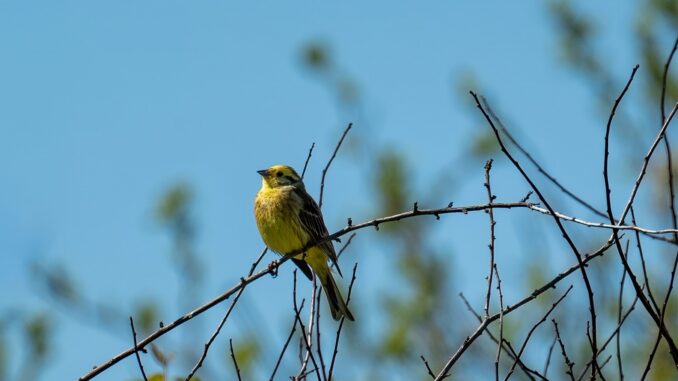
Photo by Gundula Vogel: https://www.pexels.com/photo/yellowhammer-perched-on-bare-branches-in-spring-31817512/
