Following recent warnings that households could face higher energy costs this winter due to rising wholesale prices, many people will be looking for ways to reduce their usage without compromising on comfort or safety – particularly older populations or those with health conditions.
But one often-overlooked area of the home could offer simple savings, as Age Care Bathrooms Director and Co-Founder Sam Davies explains how small bathroom changes could help households cut costs ahead of cooler months.
Sam Davies, bathroom expert and Director at Age Care Bathrooms says:
1. Get a water-efficient shower head
“A water-efficient shower head is one of the cheapest wins in the house, worth about £25 a year and 9,200 litres of water. But check what sort of shower you’ve got before you buy one. If it’s an electric shower, avoid the cheap heads with a stop/start button on the handle. Trading Standards had to warn people off them after a resident was burned. The button stops the water but it doesn’t switch off the heating element, so water can build up in there at 80 degrees.”
2. Use a tap aerator and cut down shower time
“A tap aerator costs a few pounds and saves around £20 a year. Getting your shower down to four minutes is worth about £45. Neither of those costs you anything in comfort, which is the test I’d apply to all of this.”
These two tips combined could save you up to £90 a year!
3. Adjust flow temperature
“Turning the flow temperature down to 55 or 60 does work, but it’s the heating dial you want, not the hot water one, and it only applies if you’ve got a combi. If there’s a cylinder in the airing cupboard, that stored water needs to stay at 60 to keep legionella out of it. Turning that one down is a false economy that can make you ill.”
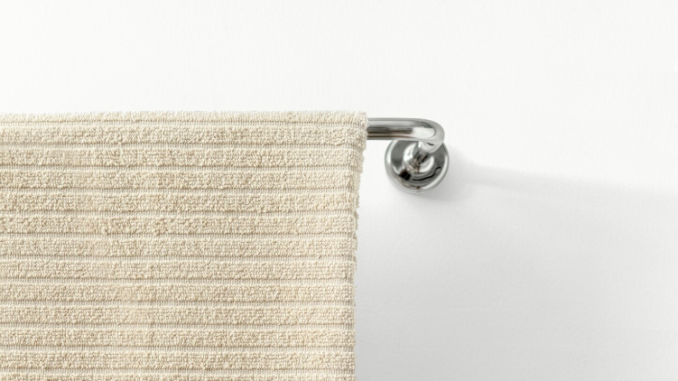
4. Invest in a dual fuel towel rail
“An electric towel rail earns its keep in September and October, when you don’t want the whole house heating on for one room. Don’t expect it to be cheaper in January. Electricity is 26p a unit against 7p for gas. If you’re replacing one anyway, dual fuel is the sensible buy: gas in winter, electric the rest of the year, on a timer.”
Closing thoughts:
“Heating water is about 18% of a typical gas-heated home’s heating bill, and that share climbs if you’re in the house all day. Most of the people we work with are. So the bathroom is one of the few rooms where small changes genuinely show up on the bill.”
“The one thing I’d push back on is any tip that amounts to being cold. Saving £40 a year isn’t worth it if you end up unwell in February. Sort out what help you’re entitled to first, then look at the fittings.”

Leave a Reply