
The decision to open an Etsy store came about over two things. The first, is that both me and my boyfriend enjoy crafts, and there is only so much handmade needlework one household needs. And second, we’re in the midst of planning our wedding. And everyone knows that can be an expensive business. So it seemed only natural to hop on Etsy, the place to sell handmade goodies, and try to rustle up a few quid to add to the pot.
And so our Etsy shop, Capes and Crafts, was born. It hasn’t been all been easy though. Creating stock has been a slow process, thanks to the demands of three kids and real world jobs. But there were other stumbling blocks to be found, some of them wholly unexpected. Here are some of my tips for any budding Etsy sellers, based on my own trial and error.
1. Etsy is without a doubt driven by photography. Great photographs of your wares may get you on the coveted front page of the site whereas dark, poorly shot photographs will get you nowhere. Unfortunately I am not a gifted photographer, and so this aspect has been difficult for me to master. But if you have a knack for photography, you could well have great success.
2. Pricing can be a fraught process. Yes, you can add up the cost of all your materials, but how do you put a price on your time and skill? My solution to this was to seek out similar items to my stock on Etsy and make my prices somewhat comparative. There was however a minor hiccup when I hadn’t figured out how to change my currency from US dollars to sterling, and ended up setting prices that were far to high as I struggled with exchange rates in my head! So any early visitors to my shop may have thought I was stitching with pure gold thread as my prices were a little unrealistic.
3. Spend a little bit of time creating a ‘brand.’ I know, I know, that sounds hopelessly contrived, but giving your shop an identifiable banner and logo will not only make it look a lot more professional but it will also help you shopfront become memorable to buyers, and hopefully that will result in repeat business. I created my banner and business card layout on Picnik, but sadly, that site is now defunct. However, any graphics program should be more than enough to get started with.

4. Find a niche. There’s absolutely no point trying to appeal to the broadest market possible. Find what you’re good at, what makes your products special, and focus on that. I have tried to shift my focus gradually away from physical goods to digital patterns. Between mine and the boyfriend’s geeky tastes, we’re able to come up with quite a few unique patterns, that will hopefully set our shop apart.
5. Accept custom orders. This little bit of advice was given to me by a fellow Etsy seller Elise, from Nerd Nuptials, and though I have yet to benefit from it, it makes sense. If potential customers are browsing your shop, and like your work but can’t find anything that they really want, you should encourage them to ask for a custom item. This is a great way to great sales and build good relationships.
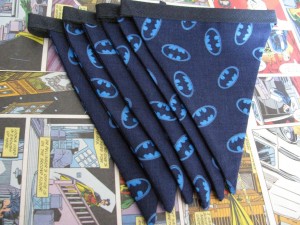
6. Promote! Twitter and Facebook are your friends! You can set up a Facebook page and Twitter account for your shop, or use your own personal accounts to spread the word. This is where knowing your market is essential, because this will only work if your followers are the type of people who would buy your stock. And pass it on, of course. Similarly, if you have a personal blog with even a handful of followers, be sure to mention your shop often, and show off new stock.
So if you have a talent for crafting, and want to make a little extra cash, why not join me on Etsy? I’ve been adding new stock steadily, and have made two sales, so there is a positive end to all that work. And as an extra bonus for readers out there, I’m offering a 10% discount on everything in my shop when you use the code DAILYWAFFLEREADER10 at the checkout. This code is good until the end of May. And that applies to custom orders too, so if there’s something geeky you’re itching to stitch but can’t rustle up a pattern, why not run it by me and I’ll see what I can do!
