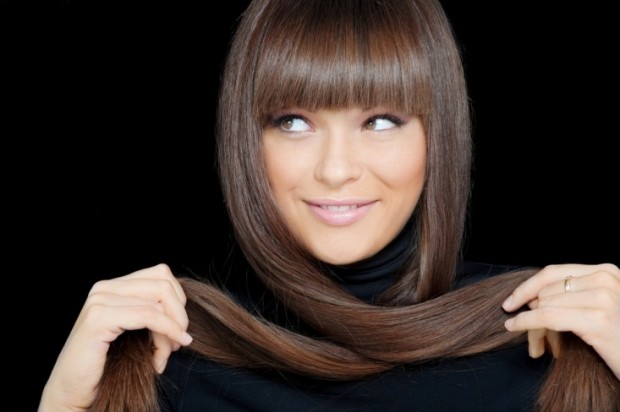
People have been expressing themselves with their hair since the dawn of time, and the past century has seen a vast array of styles come in and out of fashion. From the short boyish chops of the 20s, to the wild 70s ‘punk’ styles, hair is not only about looking good, but a tool for self-expression.
But just how much do you know about your barnet?
The Facts
The average person has between 100,000 and 150,000 hairs on their head, though this can vary depending on colour as natural blondes have more strands than brunettes or redheads.
A single hair is just .02 – .04mm thick – but is surprisingly robust… In fact, a single hair has the equivalent strength to iron wire and is strong enough to support as much as 100 grams. A whole head of hair is strong enough to support around 12 tonnes – or an 84-passenger bus!
Hair typically grows at a speed of 0.3 – 0.5mm per day and is the second fastest-growing tissue in the body with only bone marrow quicker.
Hair is extremely revealing and just one centimetre can give away what you have been eating and drinking, and the environment you live in.
Maintenance
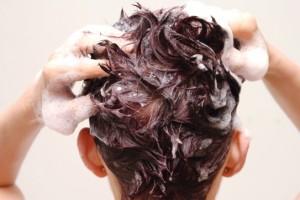
The first liquid shampoo appeared on the shelves back in 1952 and nowadays, we commonly wash our locks regularly with both shampoo and conditioner. With the wealth of lotions and potions on the market today, the UK spends around £4 billion pounds each year on hair care.
Historically, a number of methods have been developed to maintain the condition of one’s hair, which have since (thankfully) fallen out of favour.
As far back as 1500BC, the ancient Egyptians were developing cures for baldness. They would recite a magic spell to the sun god followed by a feast of onions, iron, red lead, and alabaster.
In the sixteenth-century, one doctor claimed that a concoction of boiled slugs, olive oil, honey, saffron, soap and cumin applied to the head would prevent hair loss. Nobody knows if it worked, or how he arrived at that particular solution…
More recently, people believed that the icy water from a cold shower makes the hair’s cuticle close so that it’s flat, and therefore light-reflective and shiny. However, hair contains no living cells, so doesn’t react to temperature!
And, contrary to popular belief, cutting the ends of your hair does not affect the speed of growth! This is actually determined by the follicles in your scalp, so although regular trims do get rid of split ends, which can make your hair look thinner at the ends, it does nothing to enhance the speed of growth.
Greying & Hair Loss
Hair loss can be caused by:
- Crash dieting
- Use of drugs
- Thyroid imbalance
- Iron deficiency
- Menopause
- Childbirth!
Not many people know that a burst in production of oestrogen during pregnancy sends hair follicles into the ‘growth phase’. When the hormonal balance is restored the woman has given birth, the hair follicles enter the ‘loss phase’ causing hair to start falling out temporarily.
And, you may be surprised to hear that it is actually possible for your hair to turn white from shock. This won’t happen overnight though, as hair pigment is produced beneath the skin in the hair shaft, so it would take at least 13 days for any whites to show.
So, there you have it. It turns out our manes are a pretty remarkable thing – are there any other amazing facts you know about your tresses?
This article was contributed by Laura Moulden on behalf of Hershesons, the specialists in designer hair care. Visit their website to find out about Hershesons hair accessories.
Images courtesy of Shutterstock.
