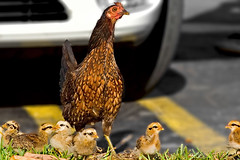
 We all love our cats and dogs, but do they produce anything edible? The beauty of raising chickens is dining on their delicious eggs. They are so much more flavourful than the ones you get at the supermarket.
Plus, you can feel good about treating your family to organic eggs. Raising chickens is a cinch too. Chickens are very easy going. As long as they have something to eat and drink, and a place to hang out, they are happy.
What chickens eat
Chickens will eat anything that looks vaguely edible. They like to eat lettuce, tomatoes, grains and seeds. Chickens also enjoy cooked spaghetti, whole green cabbage, and ripe melons, bananas and grapes. Food and water bowls should be refilled daily.
Weather precautions
Chickens cannot live long without water. In the wintertime, it’s important to check that the water bowl is not frozen. Check twice daily to make sure chickens have clean water. Excessive heat can be fatal to chickens. In the summertime, provide a source of shade outside and as much ventilation as possible.
Veterinary care
Chickens should receive the same level of veterinary care as a pet cat or dog. Make an effort to retain a good veterinarian. Particularly once that specializes in avian medicine or farm animals. There are an increasing number of vets that work with birds as well as cats and dogs. If your chickens become sick, don’t stress. Most chicken illnesses are curable if caught in time.
Bedding and housing
Bedding is important to keep your chickens happy and healthy. Straw or other nesting materials should be clean and fluffy. You should change the bedding monthly for sanitary purposes. Otherwise, ammonia could build up and become dangerous for the chickens. Chicken droppings should be scooped up daily and thrown into a designated compost area.
Keep chickens safe
Birds, in particular, are especially vulnerable to predators. Chickens should always be counted and locked up somewhere safe at night. During the day, they should be kept in a fenced in yard. Not every chicken coop will require electric fencing to protect their birds, but when you live in a particular area that is surrounded by predators like black bears, coyotes, mountain lions, fishers, and raccoons, it is probably a good idea.
Chickens change the most during the first year of their lives. They start out as adorable little fluff balls that require constant care and monitoring. But, in just five weeks, they make the transition to the coop and are fairly self-sufficient from there on out. Chickens are amazing creatures. They are fun, sweet and will provide you with a constant supply of fresh eggs.
Featured images:
- License: Creative Commons image source
Jessica McNeal is a freelance writer and self-proclaimed animal lover. Jessica has recently started raising chickens for fresh eggs. She purchased chicken leg bands in order to keep track of her new flock.
