Mental health is an important issue at every stage of life, but it is especially important for elderly people to address their mental well-being as ageing can bring about many challenges to life as they once knew it. From the loss of loved ones, physical limitations, and changes in social roles and relationships, these experiences can often lead to loneliness, isolation, and depression.
Now, mobility experts at Oak Tree Mobility share the importance of checking in with elderly neighbours and family members, as research reveals that 1 in 5 Brits over the age of 65 reported a mental health need last year*.
Mental health and elderly people
A survey carried out for Age UK in 2017 revealed that nearly half of adults (7.7million) aged 55+ said they had experienced depression, while around the same number (7.3 million) had suffered from anxiety. Following the 2020 pandemic, more older people report experiencing anxiety, memory loss, low mood and depression than ever before**.
A staggering 4.1 million (33%) older people say they feel more anxious than before the pandemic, while 4.3 million (34%) of older people said they feel less motivated to do the things they enjoy now.
The UK’s older population are at an increased risk for mental health issues due to a number of lifestyle and physical factors; the loss of loved ones can lead to feelings of grief and loneliness, while physical limitations may prevent them from engaging in activities that they once enjoyed, leading to feelings of boredom and frustration.
Additionally, changes in social roles and relationships, such as retiring from work and becoming more dependent on others for support, can lead to feelings of loss of purpose and identity, and again, loneliness.
Loneliness and elderly people
Loneliness is one of the largest health concerns facing the UK, and is a problem for many older people. It is reported to increase risk of death by 26%, and is considered worse for overall health than adult obesity. Not only that, but loneliness is considered a risk factor for depression in later life, while loneliness and social isolation put individuals at a greater risk of cognitive decline and dementia***.
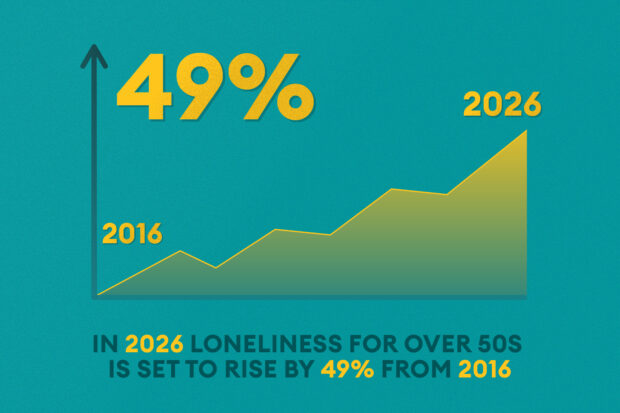
Latest figures show that half a million older people go at least five or six days a week without seeing or speaking to anyone at all, while 3.9 million older people say that the television is their main source of company. By 2026, the number of over-50s experiencing loneliness is set to reach 2 million – an increase of 49% compared to the 1.4 million facing loneliness in 2016.
5 Signs that elderly people might be struggling with poor mental health
There are many reasons why older adults in the UK may experience mental health problems, but some common challenges include disturbed sleep patterns and a lack of confidence and motivation to get back to doing normal everyday activities.
Keep an eye out for any of the below changes in your elderly friends and family members, to ensure you’re supporting their mental health needs:
- Physical health problems: Chronic physical health problems or disabilities can lead to mental health problems, as they can cause pain, discomfort, and a sense of loss of control.
- Social isolation: Older adults may experience social isolation due to the loss of loved ones, reduced mobility, or other factors. This can lead to feelings of loneliness and depression.
- Loss and grief: The loss of loved ones and other life changes, such as retirement or moving to a new location, can be difficult for older adults and can lead to grief and depression.
- Stress: Older adults may experience stress due to financial concerns, caregiving responsibilities, or other challenges.
- Dementia: Dementia is a common mental health problem among older adults, and it can cause a range of cognitive and behavioural symptoms.
Dr Nerina Ramlakhan, a neurophysiologist with a specialism in lifestyle interventions for the alleviation of mental disorders and sleep issues says: “Now that the festive cheer has worn off, it’s cold and wet outside, and the short days are relentlessly cold and dark, this can be a perfect storm for depression, especially in older people for whom health problems and lack of mobility often mean getting out and about at this time of year is much harder.
“This can lead to feelings of loneliness and isolation – even depression. Older people are already more vulnerable to mental health problems and depression affects around 22% of men and 28% of women aged 65 years and over.
“Connection is so important during this time as is getting as much natural daylight as possible, especially first thing in the morning. If you know of someone who might be struggling on this day, please reach out and offer your support and company. Even a smile and a brief chat can go a long way to raising someone’s spirits if they are feeling down and it is important that we make time to do it.”
Let this serve as a reminder that it is normal to have ups and downs in our mood, and that it is important to take care of our mental health and well-being all year round. Blue Monday is also a reminder that it is okay to seek help if we are struggling with our mental health, and that there are many resources and supports available to help us cope with difficult times.
Maintaining your mental health
There are steps that elderly people can take to improve and maintain their mental well-being, too. The mobility experts at Oak Tree Mobility share their top tips:
- Stay connected with loved ones: Social connections are important for mental health at any age. Elderly individuals should make an effort to stay in touch with friends and family, whether through in-person visits, phone calls, or video chats.
- Engage in activities that bring joy: It’s important to find activities that bring happiness and purpose, whether that’s gardening, reading, volunteering, or spending time with pets.
- Seek professional help if needed: It’s okay to seek help from a mental health professional if feelings of sadness, loneliness, or other mental health concerns persist. A therapist or counsellor can provide support and coping strategies to help manage difficult emotions.
- Take care of physical health: Physical health and mental health are closely linked. Elderly individuals should make sure to get regular exercise, eat a healthy diet, and get enough sleep to promote overall well-being.
- Get outside: Spending time outdoors, even in the winter months, can help improve mood and reduce feelings of loneliness and isolation.
For more information about mental health and elderly people, please visit: https://oaktreemobility.co.uk/help-and-advice/health-and-wellbeing/the-importance-of-elderly-mental-health-and-blue-monday
