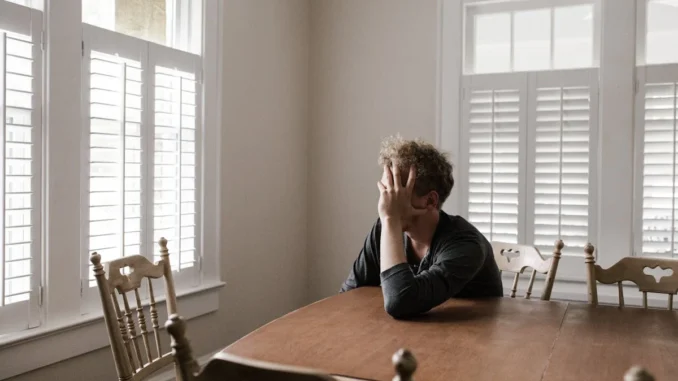
From frostier and darker mornings to drawn-out evenings, the extremity of changing seasons can be almost debilitating to some, with a more severe impact on mood, energy and can even affect you at work – this is categorised as ‘seasonal affective disorder’ (SAD).
In the UK, 1 in 20 people are diagnosed with SAD – with stats suggesting men are more likely to be diagnosed than women.
SAD can be particularly challenging to manage in a workplace setting, where the demands and environment might not always align with your personal mental health needs. This inspired Aura Print to put together their best advice to help you navigate SAD in the workplace.
7 Expert Tips for Navigating SAD in the Workplace
- Plan “Sunlight Breaks”
Since SAD can be triggered by reduced sunlight, it’s important to try to increase your exposure to natural light during work hours. Take short walks outside during your breaks to absorb daylight, and if possible, ask if you can be seated near a window. One of the most effective treatments for SAD is known as light therapy. If your workplace permits, you could use a light therapy box during the day, as these devices mimic natural sunlight and can boost your mood and energy levels.
- Stay Active and Keep Moving
You want to try to stay active during your breaks as physical activity increases endorphins, which are natural mood lifters. A short and brisk walk or even stretches at your desk can help – embracing “micro-movements” throughout the day are important. “Micro-movements” refer to those very short but frequent moments of activity like stretching your arms or rolling your shoulders every 30 minutes. Despite how small, these bursts of movement can reinvigorate your body and mind, breaking up the fatigue and tension that SAD often brings.
- Organisation
SAD can zap away your motivation and energy, making even mundane work tasks feel overwhelming. To help manage this, try breaking tasks into smaller steps, prioritise your to-do list, and use productivity tools to help you stay on track. This could include physically ticking off your to-do list, however big or small the task, to give you a sense of accomplishment that should increase your mood and motivation, and in turn can reduce stress and keep you focused.
- Stress-Relief Techniques
Stress-relief techniques such as meditation, deep breathing, or mindfulness exercises can help manage any extra stress and anxiety associated with SAD. It’s important to centre useful and take brief moments to pause and breath, especially when stress builds up – you could consider using a mindfulness app.
- Connect with your Coworkers
Although it can be nerve-wracking to initially connect with your coworkers if you haven’t established a relationship, social interaction is known to combat feelings of isolation that often accompany SAD. Have regular check-ins with supportive coworkers or joining in on workplace social activities, even if it’s virtual. You could infuse some fun into the workweek by organising theme days or activities. Whether you work from home or in an office, you could create a “colour day” where everyone wears a piece of bright clothing. These small efforts can help break the monotony of winter and lighten the mood in the office.
- Routine
Maintaining a structured routine, can help keep your energy and mood stable. If you create and stick to regular sleep patterns, meal times, and work hours, this should minimise the negative impacts of SAD. A predictable routine helps regulate your circadian rhythms, which are often disrupted by seasonal changes. Interestingly, whilst light exposure during the day is beneficial for managing SAD, too much exposure to artificial light, especially blue light from screens, can disrupt your sleep. Consider wearing blue light-blocking glasses when using your computer or phone in the afternoon and evening to help regulate your sleep cycle.
- Look After Yourself
It’s really important to remember to put yourself first and look after yourself, especially when you’re at work. You could do this by introducing gratitude rituals, where at the end of each day, write down 3 things you’re grateful for, no matter how small – as focusing on positive moments can counterbalance negative thoughts that often come with SAD. You could also use aromatherapy, as certain scents like citrus, lavender, or peppermint can be calming or even energising.
Given how common it is, there’s a strong possibility one or more of your employees suffer from SAD, and if it isn’t managed, SAD can really take its toll – you may see an increased absence and reduced productivity. With this in mind, Aura Printhave put together their advice on how employers can support a team member suffering with SAD.
Liam Smith at Aura Print says: “Employers can support their employees dealing with SAD by ensuring their workspaces have access to natural light. If this isn’t possible, they could offer light therapy lamps in common areas or provide employees with the option to have one at their desk. Seasonal changes can often lead to fatigue and low energy, so offering flexible hours or remote work options can allow employees to adjust their schedules to make the most of daylight hours and improve their overall well-being.
Most importantly, employers should make aware and offer access to mental health counselling, or wellness programs. By creating a supportive environment where discussing mental health is normalised can also make a big difference.”
