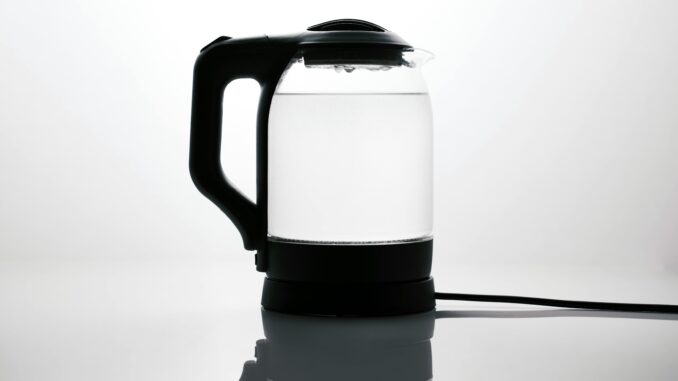
People are being warned they could be paying a hidden “tea tax” of up to £108 a year, simply from boiling the kettle.
New analysis from kitchen experts at Prestige reveals that, while each boil may only cost a few pence, frequent daily use means the humble kettle is quietly adding substantial pounds to household energy bills.
And despite the energy price cap falling from April, experts say the everyday habit will still cost a fair amount.
The £100 kettle cost Brits don’t notice
A typical kettle uses around 0.2 kWh per boil when filled towards capacity.
That means each boil costs roughly:
- 5.4p per boil under previous electricity rates (27.69p per kWh)
- 4.9p per boil from April, with electricity at 24.67p per kWh
But with many households boiling the kettle 4 – 6 times a day, the cost quickly adds up:
- Up to 30p a day
- Up to £9 a month
- As much as £108 a year
“People don’t think twice about putting the kettle on, but it’s something we do multiple times every single day, and that’s where the cost creeps up,” says kitchen expert Olivia Disley from Prestige.
“Because kettles are high-powered appliances, even a few minutes of use adds up quickly when repeated throughout the day.
“Even with energy prices dropping slightly from April, habits like overfilling or re-boiling mean households could still be spending far more than they need to.”
Three ways to cut kettle costs
Only boil what you need
“Overfilling the kettle is one of the biggest causes of wasted energy in the kitchen,” says Olivia.
“By only boiling the water you actually need, you instantly reduce how much electricity you’re using.”
“It’s a simple change, but one that can save money every single day.”
Avoid repeated re-boiling
“Re-boiling water is a really common habit, especially in busy households,” Olivia explains.
“But every time you do it, you’re using the same amount of electricity again.”
“Cutting down on unnecessary re-boils can make a noticeable difference over time.”
Descale regularly
“Limescale forces your kettle to work harder, which increases energy use,” says Olivia.
“A kettle that’s full of scale takes longer to boil and uses more power.”
“Keeping it clean helps it run as efficiently as possible.”
Olivia has a simple hack to save money – she calls it the “Mug Test”.
“If you’re making two drinks, fill two mugs with water first, then pour that into the kettle,” Olivia suggests.
“This helps you boil exactly the right amount, rather than guessing and overfilling.”
“It’s a quick, practical way to cut waste without changing your routine.”
Photo by Engin Akyurt: https://www.pexels.com/photo/glass-electric-kettle-in-close-up-shot-10965752/
