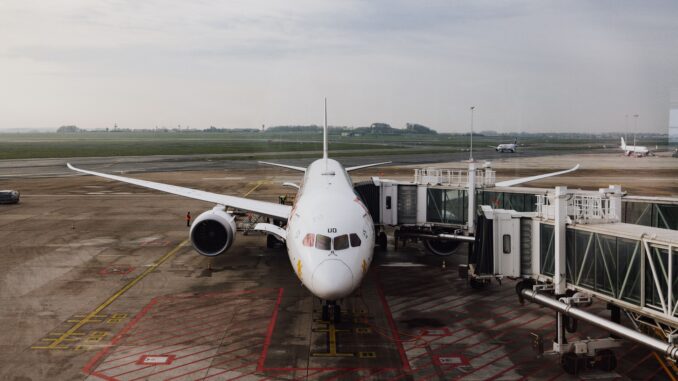
A technical fault at National Air Traffic Services (NATS) last week has caused widespread delays and cancellations at the UK’s biggest airports, including Heathrow and Gatwick in London, Manchester, Stansted and Edinburgh.
Hundreds of flights were impacted on Tuesday, with the disruption continuing into Wednesday. NATS chief executive, Martin Rolfe, has been summoned for a meeting by Transport Secretary, Heidi Alexander, as a result.
With thousands of passengers left facing cancelled or rebooked flights, travel insurance provider Holidaysafe is clearly setting out the facts on what UK law entitles passengers to in these circumstances.
What happens if your flight is cancelled
Under the UK261 regulation – the UK’s version of EU Regulation 261/2004 – passengers whose flights are cancelled may have rights, including a refund or rerouting. The precise rights available will depend on the circumstances. For the full statutory position, passengers should refer to their airline or the Civil Aviation Authority (caa.co.uk), as individual circumstances can affect eligibility.
Where the relevant statutory conditions are met, these are passenger rights rather than discretionary goodwill arrangements.
These are what passengers are legally entitled to, not discretionary goodwill gestures from the airlines. If you have a connecting flight booked as a single ticket, passengers who choose NOT to continue their journey will also be entitled to a flight back to their original departure point.
Airline care obligations during disruption
Depending on the length and circumstances of the delay, airlines may also have obligations to provide appropriate care, such as refreshments, meals or accommodation. Where the relevant waiting time thresholds are met, passengers may also be entitled to care from the airline, which can include meals, refreshments and means of communication.
If the disruption extends to include an overnight stay, the airline must also arrange or reimburse hotel accommodation and transfers to and from the airport.
How to claim
Claims relating to an airline’s statutory obligations should normally be raised with the airline first.
Any travel insurance claim should be made in accordance with the claims process set out in the customer’s policy.
Amber Moon, Brand Manager at Holidaysafe comments on the disruption:
“Disruption on this scale is unsettling, especially for families at the start of a long-awaited trip. It’s often more productive to deal with the airlines first – refunds, rebookings and care are owed regardless of what caused the delay.
“Travel insurance does not replace an airline’s obligations. The cover available following travel disruption will depend on the individual policy, so customers should check their policy wording carefully to understand what benefits may apply and any applicable limits or exclusions.”
Travel insurance: What it can and can’t cover
Travel insurance sits alongside – not instead of – an airline’s obligations. Travel insurance cover for disruption varies depending on the policy and the circumstances of the event. Holidaysafe customers should check their policy wording to understand what cover and benefits may apply, together with any limits, exclusions or required delay periods. Cover is likely only available for this scenario if customers have selected a ‘Large Scale Events’ add-on.
Customers may also be able to amend their policy dates to reflect the changes to holiday dates, check with your insurer to see what is possible.

Leave a Reply