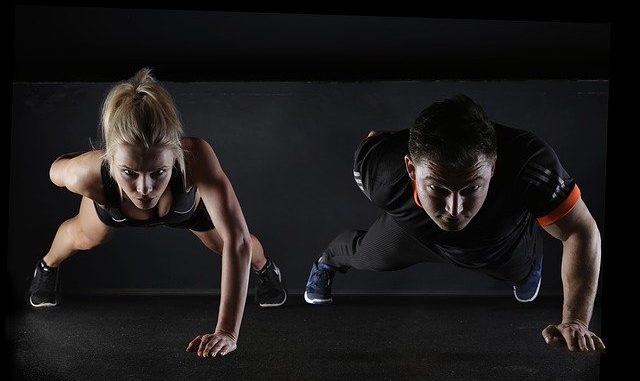
Resistance training is any form of exercise, which causes the muscles to contract against an external resistance. This external resistance can be your own body weight, dumbbells, rubber exercise tubing, bricks, or any other object that causes the muscles to contract. Resistance training aims at increasing strength, endurance, tone, or body mass, depending on the type of exercise being performed.
When done properly, strength and resistance training can help you achieve different fitness objectives. These include building muscles, losing weight and toning the body. Achieving any of these goals will depend on how you perform the resistance exercises. That is why it is important to hire a personal trainer before embarking on any form of resistance training. The trainer will help you determine the most ideal form of exercises to help you achieve your goal easily and safely. Below is a closer look into strength and resistance training.
How The Training Works
The science behind resistance training lies in the fact that a muscle only strengthens when forced to operate beyond its customary intensity. This form of training works by causing microscopic tears or damage to muscle cells, which are in turn quickly repaired by the body thus helping muscles regenerate and grow stronger. The breakdown of muscle fiber is known as ‘catabolism’ while the re-growth of the muscle tissues is called ‘anabolism’.
After a given resistance-exercise session, the growth hormone, protein, and other nutrients run to the affected muscles to help them repair and grow stronger. That is why it is important to leave enough time between workouts for muscles to recover. A personal trainer can help determine how far to go during workout sessions as well as the adequate time needed for muscle recovery.
Different Styles of Strength Training
Strength and resistance training can be done by anybody ranging from an active athlete to a regular stay-at-home mum. This form of training can be done in a variety of different styles, which are ideal for both men and women. These different forms can however be categorized under 3 key areas;
- Strength and resistance training for the arms: This includes exercises such as push-ups, weight lifting, knee push-ups, wall push-ups, and chin-ups. With this form of training, the arms get stronger, bodyweight decreases, and endurance increases.
- Strength and resistance training for torso targets the upper and middle part of the body and causes the muscles to become stronger, toned, and shapely. It includes exercises such as abdominal curls, crunches, sit-ups, reverse crunches, and double crunches.
- Strength and resistance training for the lower body involves exercises such as different forms of squats, leg pressing, and deadlifting. Exercises in this category target thigh and leg muscles and make them stronger and well toned.
Benefits
Resistance training presents some important benefits, including increased bone density, muscular strength and endurance. It also promotes cardiovascular health, keeps blood pressure levels in check, and even increases emotional wellness.
Many expert trainers promote strength and resistance training as a means of losing weight due to the benefit of increased lean muscle mass. It is scientifically proven that lean muscle mass leads to faster metabolism of food and calories. When you engage in resistance exercises, your metabolism rate remains elevated for hours after the workout. This results in more burning of calories and fats long after the workout even when resting.
Brice Hunter is a fitness enthusiast who believes that the key component to health and happiness is learning to live a healthy lifestyle. He enjoys helping other people to find certified fitness trainers. Brice recommends you visit http://lazenbypt.com/ if you are looking for a fitness trainer.
